
Last Tuesday, I spent four hours crouched in a damp hedgerow, staring at a patch of bare soil where a specific species of ground beetle should have been, according to a glossy conservation brochure I’d read. It’s easy to look at a map, see a vacant niche, and think we can just “fix” it by releasing a few thousand specimens and calling it a day. But there is no such thing as a complete guide to reintroductions that promises a quick fix or a guaranteed success story. Most of the hype surrounding these projects ignores the messy, frustrating reality of why a species disappeared in the first place, treating ecology like a game of Tetris rather than a fragile, interconnected web.
I’m not here to sell you on the romanticism of “bringing back the wild.” Instead, I want to walk you through what actually happens when the funding runs out and the scientists head home. I’ll be looking at the hard data on habitat readiness, the massive risk of genetic bottlenecks, and why monitoring is actually more important than the release itself. We’re going to look at what the surveys actually tell us, so you can tell the difference between a genuine ecological recovery and a well-funded PR stunt.
Table of Contents
Why Species Reintroduction Protocols Fail the Reality Test
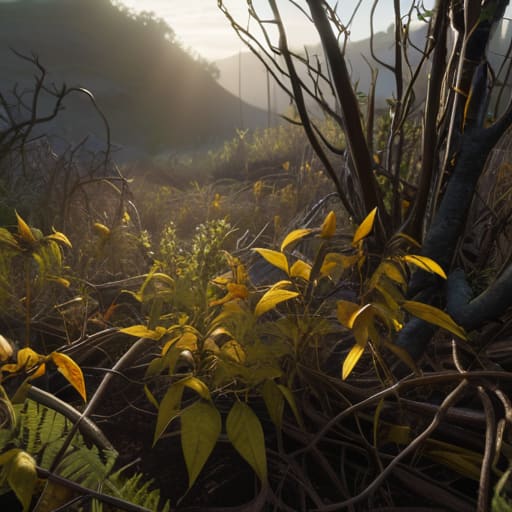
The problem with most species reintroduction protocols is that they often treat the environment like a static backdrop rather than a living, shifting system. On paper, the math looks elegant: you have a declining population, you have a surplus of captive-bred individuals, and you have a release site. But in the field, that math falls apart the moment you realize the “suitable habitat” identified three years ago has been overtaken by invasive scrub or altered by a change in local pesticide use. If your habitat suitability assessment is based on outdated data, you aren’t performing restoration; you’re just performing a very expensive funeral for a species that never had a chance.
We also see a massive gap between the excitement of the release and the actual grit of long-term survival. People love the photo op of a bird or beetle being let go, but the real work lies in the post-release monitoring techniques that track whether those individuals are actually breeding or just wandering aimlessly until they die. If we don’t commit to the unglamorous, multi-year slog of checking traps and counting larvae, we have no way of knowing if we’ve actually moved the needle on population stability.
The Messy Science of Habitat Suitability Assessment

When we talk about a habitat suitability assessment, the tendency is to look at a map, check for the right vegetation, and call it a day. But nature isn’t a checklist; it’s a moving target. You can have the perfect patch of nectar-rich wildflowers, but if the local microclimate has shifted three degrees warmer than it was when the species last thrived, those flowers might bloom two weeks before the insects emerge. This “phenological mismatch” is a nightmare for wildlife reintroduction success rates. It’s the difference between a successful colony and a very expensive way to watch a population starve in a beautiful, green desert.
We also have to account for the invisible stuff—the chemical runoff in the soil or the specific way a hedgerow is managed by a farmer three fields over. A single study might suggest a site is “suitable,” but that’s often a snapshot, not a prophecy. Real ecological restoration strategies require us to look at the long-term stability of these variables. If we don’t account for the messy, unpredictable way habitats actually function, we aren’t doing science; we’re just playing a very high-stakes game of ecological pretend.
Five ways to stop treating reintroductions like a lottery
- Prioritise the “why” before the “who.” We often see projects rushing to release a charismatic species because it looks great on a press release, but if you haven’t identified the specific ecological vacancy they are meant to fill, you’re just adding more mouths to an already struggling system.
- Look at the “micro-habitats,” not just the map. A habitat suitability model might say a field is perfect because it’s the right acreage, but if the hedgerow margins are too manicured or the soil pH is off by a fraction, your target species won’t stand a chance.
- Build a “buffer” into your population math. Most reintroduction models assume a best-case scenario, but nature is rarely “best-case.” You need to account for the first bad winter or the first dry spell, otherwise, your entire population might blink out before the first breeding season.
- Don’t ignore the neighbors. It’s not just about the species you’re bringing back; it’s about the species that moved in while they were gone. You have to assess whether the current community will accept the newcomer or if you’re accidentally introducing a new competitor into a stressed environment.
- Track the long-term, not just the release day. A successful release is a photo op; a successful reintroduction is a stable population three to five years later. If your monitoring plan stops once the crates are empty, you aren’t actually doing science—you’re just doing a release.
The Reality Check: What Actually Matters for Reintroduction Success
We have to stop treating reintroduction like a simple “plug and play” operation; if the local habitat hasn’t been surveyed for years—not just months—you aren’t restoring a population, you’re just watching a temporary spike before the inevitable crash.
Success isn’t just about getting the species back into the right postcode; it’s about whether the ecological “machinery,” like specific larval host plants or even the local microclimate, is actually functional enough to support a second generation.
We need to move away from the “heroic single species” narrative and focus on the boring, unglamorous work of connecting habitats, because a species can’t survive in a high-quality island that is surrounded by a sea of ecological nothingness.
Moving Beyond the Release Day
If there is one thing I want you to take away from this, it is that reintroduction is not a “set and forget” event. We cannot simply count out a few thousand larvae, release them into a field, and call it a victory for biodiversity. As we have seen, the gap between a successful laboratory protocol and a surviving population in a messy, unpredictable hedgerow is massive. Success requires more than just the right species; it requires rigorous, long-term monitoring and a willingness to admit when the initial habitat assessment was too optimistic. We have to stop treating these projects like a checklist and start treating them like the complex, ongoing biological processes they actually are.
It is easy to feel cynical when you see well-funded projects stumble because they ignored the local data, but that cynicism shouldn’t lead to inaction. Instead, let it drive us toward better science. We don’t need more headlines claiming we’ve “saved” a species; we need more people willing to do the slow, unglamorous work of tracking individual populations through the rain and the wind. When we get the science right—when we prioritize actual ecological stability over quick wins—we aren’t just releasing insects; we are rebuilding the foundations of our ecosystems, one painstaking survey at a time.
