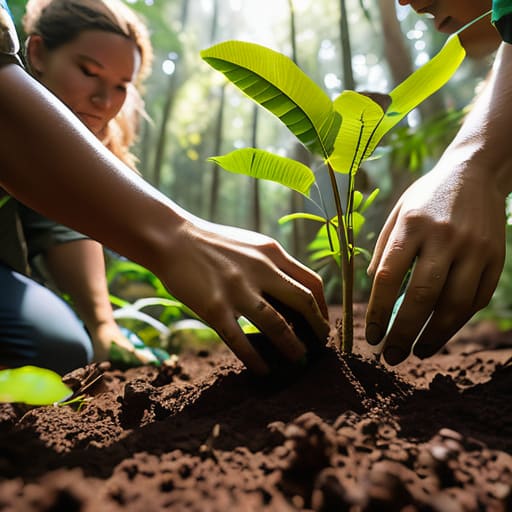
I once spent four hours in a sodden field in mid-November, trying to identify Bombus terrestris through a veil of freezing drizzle, only to realize I’d been staring at a particularly large, confused beetle the entire time. It wasn’t the “soul-searching adventure” the glossy brochures promised; it was just cold, wet, and incredibly tedious. Most people looking for a complete guide to volunteering in conservation expect to find a list of exotic expeditions where they’ll hug sea turtles or plant trees in a tropical paradise. But if you want to actually make a dent in the biodiversity crisis, you have to realize that real conservation often looks a lot more like counting things in the mud than it does a holiday in the Maldives.
I’m not here to sell you on the romanticized version of fieldwork, because that’s how we lose good people to burnout. Instead, I want to give you a no-nonsense roadmap for finding roles that actually matter. I’ll show you how to distinguish between “performative” volunteering—the kind that mostly benefits the charity’s Instagram feed—and the unglamorous, data-driven work that actually moves the needle for species recovery.
Table of Contents
Evaluating Wildlife Conservation Programs Beyond the Instagram Aesthetic

If you’re looking at a website for wildlife conservation programs and the hero image is just a sunset over a pristine savanna with a single, smiling person holding a baby lion, please keep scrolling. I’ve spent enough time in the field to know that real conservation rarely looks like a National Geographic cover shoot. Real work is often damp, repetitive, and involves a lot of sitting in a field staring at a specific patch of grass for four hours to ensure your transect data isn’t compromised by observer bias.
When you’re vetting environmental volunteer opportunities, you need to look past the polished social media feed and ask about the data. Is the project actually contributing to a long-term monitoring database, or is it just a “feel-good” excursion designed to boost a non-profit’s engagement metrics? I want to see evidence of rigorous methodology. A good program should be able to tell you exactly how your hours of manual labor or data entry feed into larger ecosystem restoration projects. If they can’t explain the scientific utility of your presence, you aren’t volunteering; you’re just paying for a very expensive, very muddy holiday.
Finding Environmental Volunteer Opportunities That Actually Move the Needle
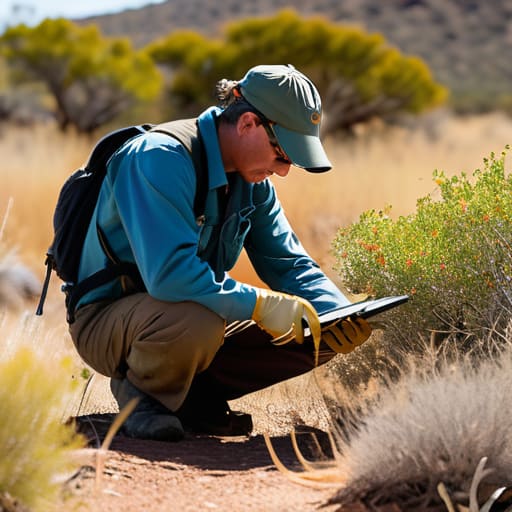
If you want to do more than just pick up litter for a Saturday afternoon, you need to look for ecosystem restoration projects that have a long-term management plan. I’m talking about the kind of work where you aren’t just planting a few saplings and leaving; you’re helping to manage the scrub, monitor invasive species, or assist in the tedious, vital task of data collection. When I was doing my transects, the most useful volunteers weren’t the ones who wanted to “save the world” in one afternoon, but the ones who understood that consistency is the only way we get real data.
Don’t feel like you have to join a massive, faceless NGO to make an impact. While large non-profit environmental organizations provide great structure, sometimes the most significant work happens at the local level—think small-scale hedgerow restoration or community-led pond scrapes. If you are looking for something more specialized, like marine biology field work, check if the project actually has a way to integrate your findings into existing scientific databases. You want to ensure your hours are contributing to a larger body of evidence, not just disappearing into a filing cabinet.
The Dirty Work: 5 Ways to Vet Your Volunteer Role
- Look for the data-driven projects. If a group’s main output is “raising awareness” or “planting trees” without a follow-up plan to monitor survival rates, you aren’t helping a population; you’re just participating in a photo op. Real conservation requires long-term monitoring, which is often the most boring and least advertised part of the job.
- Prioritize citizen science that feeds into established databases. Whether it’s recording Bombus terrestris sightings for a national survey or logging dragonfly larvae in a local pond, make sure your effort ends up in a spreadsheet that researchers—like me—can actually use to track trends. If the data stays in a private WhatsApp group, it’s essentially lost to science.
- Ask about the training. If a project asks you to identify cryptic species or perform complex habitat assessments without providing a rigorous briefing, walk away. Bad data is worse than no data; if you misidentify a rare moth as a common one, you’re actually skewing the very metrics we rely on to make policy decisions.
- Check the seasonality. A lot of “conservation volunteering” is just seasonal weeding or path maintenance. That’s fine for keeping a site tidy, but if you want to impact biodiversity, look for roles that align with life cycles—things like nectar monitoring in late summer or invertebrate surveys in the spring.
- Seek out the “unsexy” habitats. Everyone wants to volunteer for a flagship species like the red squirrel or a massive woodland restoration. If you want to move the needle, look for groups working on hedgerow margins, roadside verges, or scrubland. These are the high-traffic corridors for insects, and they are desperately under-surveyed.
Three things to remember before you sign up
Prioritise data over aesthetics; a weekend spent scrubbing invasive species or recording transect counts is infinitely more valuable than a “nature walk” that ends with a selfie and no actual data recorded.
Look for long-term commitment in the project design, because most species recovery happens in the boring, repetitive years of monitoring, not in the sudden, flashy “reintroduction” events that make the news.
Don’t be afraid of the unglamorous work, because the most impactful conservation often happens in the mud, in the rain, and in the tedious spreadsheets that actually prove whether a population is stable or sliding toward extinction.
The Real Work Starts Now
At the end of the day, volunteering in conservation isn’t about the aesthetic of a sunset over a wetland or the satisfaction of a tidy trail maintenance day. It’s about the data. If you want your time to matter, you have to look past the glossy brochures and find the projects that prioritize rigorous, long-term monitoring over one-off events. Whether you are helping to map invertebrate populations in a hedgerow or assisting with long-term vegetation surveys, your contribution is only as good as the integrity of the data being collected. Don’t be afraid of the slow, repetitive, or even slightly muddy work; that is exactly where the most vital evidence lives.
We are currently navigating a period of immense ecological uncertainty, and it is easy to feel like the scale of the decline is too vast for any one person to influence. But conservation isn’t a monolith, and it isn’t just won by sweeping policy changes. It is built, bit by bit, through the cumulative effect of thousands of people showing up to do the unseen, unglamorous work that keeps our biological records accurate. If you choose to volunteer, do it with your eyes open and your boots ready. We don’t need more headlines; we need people who are willing to count.
