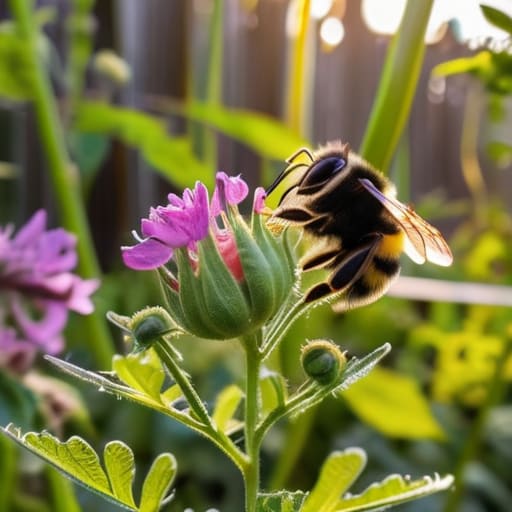
I spent three hours last Tuesday knee-deep in a muddy ditch on the edge of a site survey, trying to distinguish a particularly nondescript hoverfly from a common wasp, all while a single, sensationalist headline about “insect apocalypse” looped in my head. We are constantly told that we need massive, expensive rewilding projects to save the planet, but we often overlook the messy, uncurated reality of how allotments support biodiversity right under our noses. People treat allotments like they’re either sterile vegetable patches or perfect, manicured wildflower meadows, but the actual data usually tells a much more interesting, much more chaotic story.
I’m not here to sell you on the idea that every cabbage patch is a miracle of conservation, nor am I going to use impenetrable jargon to make a simple observation sound profound. Instead, I want to look at what the surveys actually show us when we stop looking for “perfect” nature and start looking at the functional nature of these spaces. I’ll be sharing what the numbers tell us about soil health, floral variety, and why your slightly overgrown corner might be doing more heavy lifting than you realize.
Table of Contents
Measuring Insect Biodiversity in Community Gardens Without the Hype
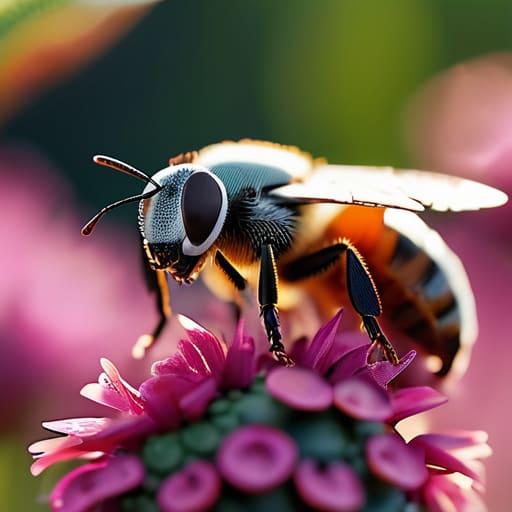
When we talk about insect biodiversity in community gardens, the data often gets lost in a sea of “more is better” rhetoric. As someone who has spent far too many mornings squinting at tiny, moving targets through a hand lens, I can tell you that counting isn’t as simple as noting a high number of bees. We have to look at taxonomic richness—which is just a fancy way of saying we aren’t just seeing ten of the same common honeybee, but a diverse spread of different species. A garden might look busy, but if it’s only supporting one or two generalist species, it isn’t actually functioning as a robust urban wildlife habitat.
To get a real sense of what’s happening, we have to move beyond the visual “buzz” and look at the indicators. For instance, the presence of specific predatory beetles or certain solitary bee species tells a much more nuanced story than a handful of butterflies. It’s about whether the site provides the specific life-cycle requirements, like nesting sites or larval host plants, that a population needs to actually persist. True biodiversity isn’t just a headcount; it’s a measure of how well the ecosystem is actually working.
Why Urban Wildlife Habitats Are More Than Just Green Patches
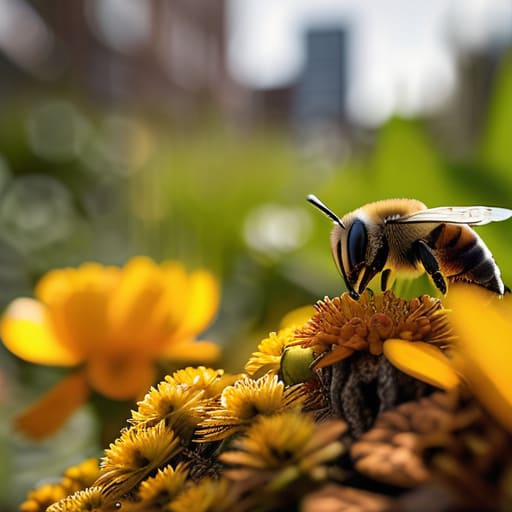
When people look at a map of a city, they see grey infrastructure—concrete, tarmac, and brick. They see the allotments as these little green “interruptions” in the urban sprawl. But if you’re looking at it through the lens of an ecologist, those plots aren’t just aesthetic breaks; they function as vital urban wildlife habitats that bridge the gap between isolated parks. For a small solitary bee or a wandering hoverfly, a sprawling municipal park can actually feel like an island in a desert if it’s just manicured grass. Allotments, however, provide the messy, unscripted connectivity they need to move through a landscape.
It’s not just about the visible stuff, like the bees or the butterflies, though they are the easiest to count on a transect. We also have to consider the invisible work happening beneath the surface. The variety of organic gardening practices used across different plots creates a patchwork of different soil conditions. This diversity is crucial for maintaining soil health and micro-organisms, which form the very foundation of the food web. When we treat these spaces as more than just “green patches,” we start to see them as complex, living networks rather than just hobbyist plots.
Moving the Needle: Five Ways to Actually Boost Allotment Biodiversity
- Embrace the “messy” margins. We often see people obsessing over neat, weed-free paths, but Urtica dioica (common nettle) is a non-negotiable for many butterfly larvae. If you want to support a population rather than just looking at a manicured plot, leave a strip of uncultivated ground at the edge of your patch.
- Diversify your flowering windows. It isn’t enough to have a massive burst of blooms in June; that creates a “hunger gap” later in the season. I look for a succession of nectar sources that carry pollinators through the late summer slump, specifically targeting species that flower when the big garden perennials have already gone to seed.
- Stop the “scorched earth” approach to soil. Tilling your soil every single season disrupts the delicate architecture of ground-nesting bees and the fungal networks they rely on. If you can move toward no-dig methods, you aren’t just helping your veg; you’re preserving the micro-habitats that surveys show are critical for soil-dwelling invertebrates.
- Integrate “dead wood” and structural complexity. A flat, open allotment is a desert for many beneficial insects. Adding a small pile of decaying branches or even a single standing dead limb provides the niche spaces required by various beetle species and solitary bees that can’t survive in a purely productive vegetable patch.
- Plant for the specialists, not just the generalists. It’s easy to plant lavender because everything loves it, but if we want to move the needle on local population stability, we need to include host plants for specific local insects. Check your local floristic records—providing a specific larval food plant is often more impactful than a dozen “bee-friendly” nursery mixes.
What We Actually Learn When We Stop Guessing
It isn’t just about the amount of green space; it’s about the mess. A tidy allotment is a biological desert, whereas the “unproductive” corners—the patches of nettles, the decaying wood, and the slightly overgrown edges—are where the real population density sits.
Diversity of plant species matters more than sheer numbers. We can see in the survey data that a garden with ten different flowering times provides a much more stable food web than a massive patch of a single, high-nectar plant that only blooms for two weeks in June.
Connectivity is the quiet hero. An allotment doesn’t need to be a massive wilderness to work; it just needs to function as a stepping stone that allows species to move through an urban landscape rather than being trapped in isolated, disconnected islands of green.
Beyond the Plot Fence
When we strip away the romanticised imagery of “nature reclaiming the city,” we are left with something much more practical and, frankly, more important. Allotments aren’t just accidental sanctuaries; they are complex, managed mosaics of micro-habitats that provide the specific floral resources and overwintering sites that manicured lawns simply cannot. We’ve seen that while a single plot might not host a massive, stable population of Bombus terrestris, the cumulative network of these gardens creates a vital stepping stone for movement across fragmented urban landscapes. It isn’t about one person planting a perfect wildflower meadow; it is about the messy, uncoordinated reality of a hundred different gardeners providing a patchwork of survival.
If you want to help, don’t feel pressured to become a master ecologist overnight. You don’t need to solve the entire pollinator crisis by Tuesday. Instead, focus on the small, tangible shifts—leaving a patch of bare ground for solitary bees or letting the nettles grow in a corner—that actually show up in the data. We don’t need more alarmist headlines telling us everything is dying; we need purposeful, evidence-based action at the soil level. Every bit of unmanaged space is a win. If we can protect these small, vital pockets of chaos, we give the species we’re studying a genuine fighting chance to persist.
