
I once spent four hours standing in a waist-deep hedgerow, soaked to the bone by a relentless drizzle, just to record the presence of a single Bombus terrestris. I wasn’t there for the “aesthetic” of nature; I was there because the data matters. When you search for a complete guide to habitats, you usually end up with one of two things: a glossy, oversimplified brochure that tells you to “plant wildflowers” like it’s a magic wand, or a dense academic paper that reads like a legal contract. Neither actually tells you how to build a functional ecosystem that survives a drought or a hungry sparrow.
I’m not here to sell you a dream of a perfect, untouched wilderness. Instead, I want to give you a reality-based framework for understanding how different spaces actually function for the species that live in them. We are going to strip away the alarmist headlines and look at the mechanics of connectivity, resource timing, and structural diversity. This isn’t about perfection; it’s about meaningful, evidence-led interventions that turn a patch of grass into a lifeline.
Table of Contents
Understanding Ecosystem Components and Functions Without the Hyperbole
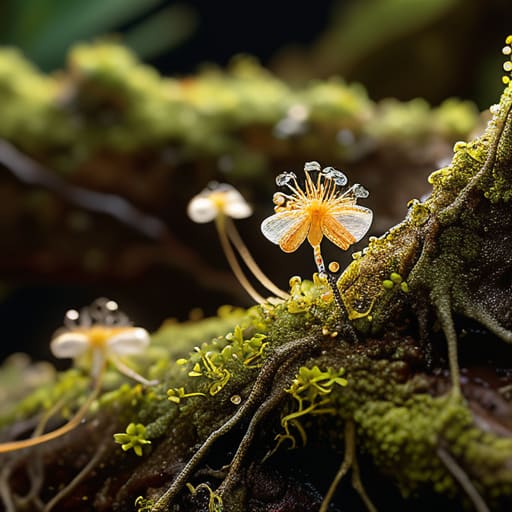
When we talk about ecosystem components and functions, the media tends to treat them like a list of ingredients in a recipe—if you just add more “nature,” the cake will rise. But ecology isn’t that linear. In my fieldwork, I see it more like a complex, slightly messy web where every thread is under tension. It isn’t just about having a patch of grass; it’s about the specific relationship between the soil microbes, the flowering period of a particular weed, and the life cycle of the insect that relies on it. If the timing is off by even two weeks due to a warm spring, the whole function breaks down.
We often get caught up in the broad strokes of biodiversity in natural environments, but the real magic—and the real fragility—is in the micro-interactions. We need to move past the idea that “green is always good.” A manicured lawn is green, but it’s a biological desert. True habitat functionality comes from the messy, uncurated edges: the rotting log, the patch of nettles, the bare earth. That is where the actual work of survival happens.
Biodiversity in Natural Environments What the Data Actually Shows

When we talk about biodiversity in natural environments, the media often treats it like a single, monolithic number—a “total count” of life that is either skyrocketing or crashing. But if you’ve ever spent a Tuesday night hunched over a moth trap in a damp hedgerow, you know it’s never that simple. Data doesn’t just show “more” or “less”; it shows shifts in composition. You might see a massive spike in generalist species like the Bombus terrestris (buff-tailed bumblebee), which makes the numbers look stable, while the specialist species that actually signal a healthy, functioning ecosystem are quietly slipping away.
This is why distinguishing between different types of environmental conservation strategies is vital. We often see a lot of focus on large-scale landscape connectivity, but the data suggests that the nuance between terrestrial vs aquatic habitats is where the real story lives. A wetland restoration project isn’t just a “win” for biodiversity if it doesn’t account for the specific insect life cycles that rely on the transition zones between land and water. We need to stop looking for a single “success” metric and start looking at functional diversity—the actual roles these organisms play in keeping the system running.
Five ways to actually build a habitat (without the guesswork)
- Stop aiming for “pristine” and start aiming for “messy.” In my field surveys, the most productive hedgerow margins aren’t the ones that look like a manicured park; they are the ones with the dead wood, the leaf litter, and the slightly overgrown patches. If you tidy up every single square inch of your garden, you are essentially deleting the pantry for most ground-nesting bees and many of our specialist beetles.
- Prioritize structural diversity over a single “hero” plant. It is tempting to buy ten of the same beautiful, nectar-rich flower, but a real habitat needs layers. You need the ground cover, the mid-height perennials, and the taller shrubs. This creates different microclimates—some areas stay damp and cool, others catch the midday sun—which is vital because an insect’s survival often depends on finding a specific temperature at a specific time of day.
- Focus on the “nectar bridge” rather than just the peak bloom. A common mistake in amateur conservation is planting a massive burst of flowers that all bloom in June. By the time July hits, your local pollinator population is facing a massive caloric deficit. I look at the phenology—the timing of life cycles—and if your habitat doesn’t have a continuous supply of food from early spring through to late autumn, it’s just a temporary pit stop, not a home.
- Connect the dots, even if it’s just a tiny one. We talk a lot about “wildlife corridors” in academic papers, but for a garden, that just means reducing the distance between “islands” of habitat. If you have a patch of wildness here and a flower bed there, try to create a stepping stone of nectar-rich plants in between. For many small insects, a paved driveway or a vast, sterile lawn is an impassable desert.
- Accept that “success” is harder to measure than it looks. Don’t get discouraged if you don’t see a massive spike in rare species overnight. Real habitat restoration is about building the foundation. We measure success in the presence of indicator species and the stability of populations over years, not just a single lucky sighting of a rare moth on a Tuesday night. If the conditions are right, the biodiversity will eventually follow the data.
What to actually look for when you're assessing a space
Stop chasing “biodiversity” as a vague buzzword and start looking for structural complexity; a patch of wildflowers is great, but a field margin with varying heights and dead wood provides the actual nesting sites that keep a population stable.
Distinguish between a “snapshot” and a “trend”—seeing a single rare moth in your garden is a lovely moment for a photo, but it isn’t data, and we need to focus on the consistent presence of generalist species to know if an ecosystem is actually functioning.
Prioritize connectivity over isolated patches, because a perfectly manicured “nature corner” in the middle of a concrete sprawl is often just a biological dead end if there isn’t a corridor of suitable habitat to help species move through the landscape.
Moving Beyond the Data
We have looked at the mechanics of how ecosystems function and the messy, non-linear reality of what biodiversity data actually tells us. It is easy to get lost in the jargon or, conversely, to succumb to the “insect apocalypse” narratives that make you want to give up entirely. But the truth is usually found in the middle: habitats aren’t just static maps of flora and fauna; they are active, shifting networks of energy and interaction. Whether we are talking about a massive woodland corridor or a single, unmown patch of clover in a suburban garden, the principle remains the same. Success isn’t about achieving a perfect, pristine state of nature, but about maintaining the functional connections that allow life to persist through the fluctuations.
So, what do we do with all this information? We stop waiting for a single, miraculous solution and start looking at the granular reality of our own surroundings. You don’t need to restore a thousand acres of heathland to make a difference; you just need to understand the specific requirements of the species in your corner of the world. Conservation is often a game of inches, and those inches are where the real work happens. If we can move past the paralyzing headlines and focus on evidence-based, incremental changes, we might actually give these populations the breathing room they desperately need to recover.
