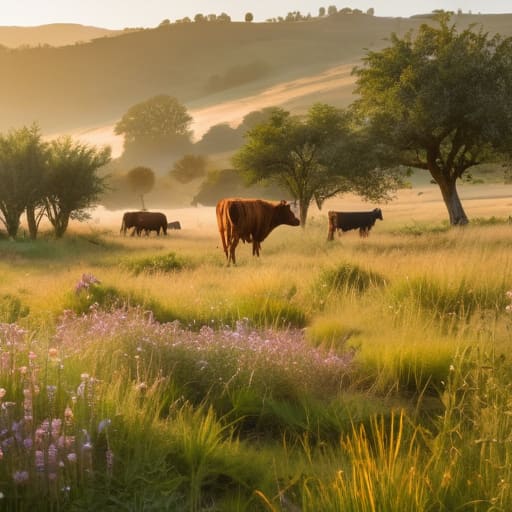
I once spent four hours crouched in a damp, bramble-choked field in Shropshire, trying to count ground-nesting bees while a herd of “conservation” cattle trampled the very micro-habitats I was supposed to be documenting. It was a messy, muddy reminder that you can’t just drop a few animals into a meadow and call it a victory for biodiversity. There is this pervasive myth that a complete guide to conservation grazing is essentially just a manual on how to buy some sheep and let them wander, but if you aren’t looking at the specific sward heights or the timing of the grazing, you’re often just accidentally destroying the niche habitats we’re trying to save.
I’m not here to sell you on the romanticism of the pastoral idyll; I’m here to talk about what the data actually shows. In this guide, I want to strip away the buzzwords and look at the actual mechanics of how livestock impact insect populations and plant diversity. We’ll look at why timing is everything, where the evidence for certain stocking densities is actually quite thin, and how to move beyond the headlines to implement something that genuinely works for the landscape.
Table of Contents
Livestock Management for Habitat Restoration vs Reality
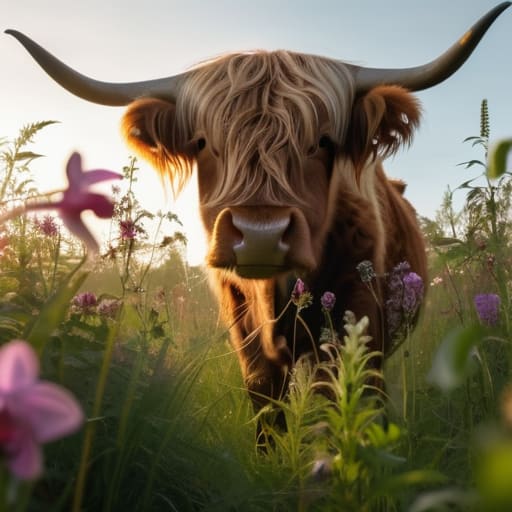
The gap between a theoretical management plan and a muddy field is often wider than people realize. On paper, livestock management for habitat restoration looks clean: you introduce a specific stocking density to prevent scrub encroachment and promote wildflower diversity. But cows and sheep aren’t biological machines designed to hit specific biodiversity targets; they are unpredictable animals with preferences. A cow might ignore the rare orchids you’re trying to protect and spend the entire afternoon trampling the exact patch of nectar-rich clover that the local pollinators rely on.
In practice, successful biodiversity enhancement through grazing isn’t about setting it and forgetting it. It’s about the granular, often tedious work of monitoring how different animals interact with the specific micro-topography of a site. If the grazing regime is too heavy, you end up with poached soil and a loss of structural complexity; too light, and the field becomes a monolithic block of rank grass that offers nothing to a specialist insect. We have to move past the idea of a “one size fits all” approach and start looking at how specific grazing regimes and ecosystem services actually overlap in real-time.
Why Grazing Regimes and Ecosystem Services Are Hard to Measure
The problem with measuring grazing regimes and ecosystem services is that “success” looks different depending on who is holding the clipboard. If you’re a farmer, success might be a specific weight gain in a calf; if you’re an ecologist, it’s the presence of a specific orchid or a particular way the sward is structured. When we talk about biodiversity enhancement through grazing, we often fall into the trap of using proxies—like counting the number of cows—rather than actually measuring the structural complexity of the vegetation. You can have a field full of livestock that looks “natural” to the untrained eye, but if they’re all congregating in the same lush patch, they’re actually creating a monoculture of trampled mud and high-nitrogen dung, which is the exact opposite of what we want.
It’s also incredibly difficult to decouple the impact of the animals from the impact of the climate. I’ve spent weeks in the field trying to tease out whether a shift in insect abundance is due to a change in pasture management for biodiversity or just a particularly wet spring. We often see studies claiming a direct link between grazing intensity and species richness, but the temporal lag is real. An insect population might crash this year because of a management change, but it might not actually recover—or show the benefit of that change—for three or four seasons. We have to be careful about claiming victory too early.
Five Things to Check Before You Let the Animals In
- Stop looking for a “magic number” of head per hectare. A single cow on a small, scrubby plot does something entirely different than a flock of sheep on a sprawling meadow, and if you try to apply a generic stocking density from a textbook, you’re probably going to overgraze the very wildflowers you’re trying to save.
- Prioritize the “pulse” over the “constant.” The most effective grazing isn’t a steady, unchanging presence; it’s about creating disturbance. You want periods of high intensity to knock back dominant grasses, followed by long periods of rest so the nectar plants actually have time to set seed and flower.
- Watch the soil, not just the grass. If you see significant poaching—that’s the term we use for when hooves churn the ground into a muddy mess—you’ve gone too far. While a bit of bare earth is actually great for some specialist invertebrates, too much compaction ruins the soil structure and makes it impossible for many native plants to re-establish.
- Diversify your “engineers.” Don’t just default to sheep because they’re easy to manage. Cattle are heavy-bodied and create different structural gaps in the vegetation, whereas goats are absolute specialists at tackling woody scrub. The best restoration projects usually involve a mix of species to tackle different layers of the habitat.
- Measure the “unseen” outcomes. It’s easy to say a field looks “greener” or “tidier,” but that’s not a metric. If you want to know if your grazing is working, you need to be looking at the floral diversity and, eventually, the invertebrate counts. If the bees aren’t showing up, the grazing regime isn’t doing its job, no matter how pretty the pasture looks.
What to actually look for (instead of just counting heads)
Stop focusing on the number of animals and start looking at the vegetation; a field full of cattle doesn’t mean much if the specific wildflowers our pollinators need are being grazed into extinction.
Understand that “more” isn’t always “better”—grazing is a tool for precision, not a blunt instrument, and the most effective conservation happens when we match the animal’s timing to the plant’s lifecycle.
Look for the messy bits; the real biodiversity wins usually happen in the patches that aren’t being grazed, so we need to ensure we’re leaving enough structural variety to actually support a food web.
Moving Beyond the Grazing Myth
If there is one thing I want you to take away from this, it is that conservation grazing is not a “set and forget” solution. We have spent a lot of time looking at how the theory of livestock management often crashes into the reality of messy, unpredictable field margins. Whether it is the difficulty of tracking specific ecosystem services or the sheer headache of managing grazing regimes to prevent overgrazing, the data shows us that precision matters more than presence. We cannot simply drop a few cows into a field and call it a victory for biodiversity; we have to be willing to do the unglamorous work of monitoring the actual vegetation and the insects that rely on it.
Ultimately, the goal isn’t to find a perfect, universal grazing model, because nature doesn’t work in perfect models. Instead, we need to move toward a way of managing land that is evidence-led and locally specific. It is about recognizing that a hedgerow margin or a damp meadow is a living, breathing system that requires constant, careful observation. If we stop looking for the quick fix and start focusing on the granular, sometimes frustrating details of how animals and plants actually interact, we might actually stand a chance at building something that lasts.
