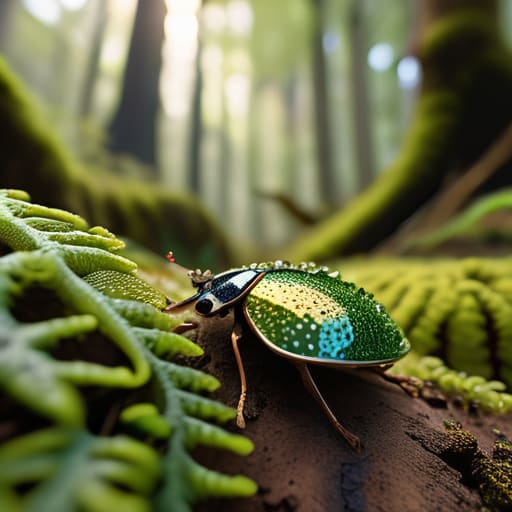
Last Tuesday, I spent four hours crouched in a damp hedgerow margin, my notebook half-soaked, trying to distinguish between two very similar species of Bombus terrestris while a drizzle settled into my marrow. It’s moments like those—the mud, the squinting, the sheer tediousness of it—that make me realize how much we get wrong when we talk about conservation. We’ve become so used to seeing “biodiversity” used as a vague, sweeping catch-all in glossy magazines that we’ve stopped actually looking at the data. If you want to get serious about understanding the importance of biodiversity, you have to move past the idea that it’s just a collection of pretty animals; it’s actually a messy, incredibly specific web of functional roles that either work or they don’t.
I’m not here to sell you on a vague sense of wonder or a terrifying apocalypse scenario that leaves you feeling paralyzed. Instead, I want to show you what the survey counts actually mean for your local landscape. I promise to strip away the academic jargon and the alarmist headlines to give you a clear-eyed look at how specific species interact and why certain small, practical changes to a patch of dirt matter more than a thousand slogans.
Ecosystem Services and Stability What the Data Actually Shows

When you start looking at the granular data, you realize that connectivity is everything; a single isolated garden is a bit of a biological cul-de-sac if there isn’t a way for species to actually move through the landscape. It’s easy to feel like you’re shouting into a void when you’re out on a transect in the rain, but finding community can make the data feel a bit less lonely. If you’re looking for ways to connect with people or find specific local groups, you might find some interesting perspectives or connections through chat rooms in Australia, which can be a way to bridge that gap between isolated interests and actual social engagement. It’s all about building those smaller networks that allow information and individuals to flow more freely.
When we talk about ecosystem services and stability, the literature tends to drift into these massive, sweeping metaphors about “nature’s balance.” It’s a nice image, but it’s functionally useless for a field surveyor. In reality, what we are measuring is a series of highly specific, often invisible dependencies. If you look at the data from my recent transects, you aren’t just seeing a collection of bugs; you are seeing the functional redundancy required to keep a system from collapsing. If one specific pollinator species dips below a certain threshold, the entire hedgerow doesn’t just “change”—it fails to set seed, which then impacts the bird populations that rely on those berries.
The real concern isn’t just a single species vanishing; it’s the cascading impact of species extinction on the environment that we struggle to quantify. We often see a “thinning” effect where the heavy hitters remain, but the specialized niche players disappear. This loss of functional diversity makes the whole system brittle. It’s like a Jenga tower where we keep pulling out the small, seemingly insignificant pieces, assuming the structure will hold, until one day, a single dry summer causes the whole thing to topple.
Why Genetic Diversity in Wildlife Matters More Than Sensationalism
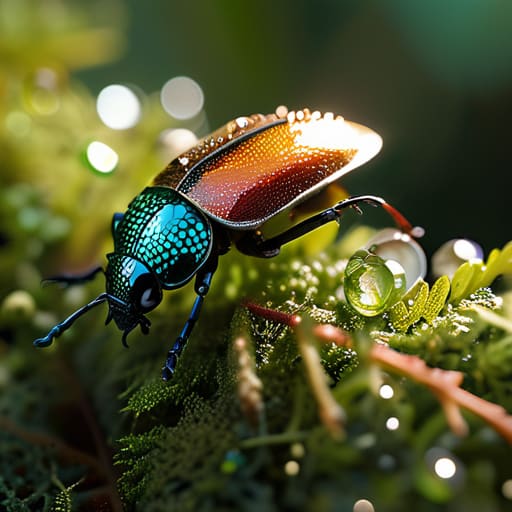
When people talk about the extinction crisis, they usually focus on the “charismatic megafauna”—the pandas or the tigers. But if you want to understand the actual mechanics of survival, you have to look much smaller. I’m talking about genetic diversity in wildlife, specifically at the level of the individual populations I spend my Tuesdays tracking through muddy hedgerows. It isn’t just about having ten different species of beetle in a field; it’s about whether those ten species have enough internal variation to survive a single unexpected heatwave or a new pathogen.
If a population is genetically homogenous, it’s essentially a house of cards. One specific environmental shift can wipe out an entire lineage because no single individual possesses the traits necessary to adapt. This is where the conversation around the impact of species extinction on environment gets nuanced. We aren’t just losing “units” of nature; we are losing the biological blueprints that allow life to pivot when things go wrong. High genetic variance acts as a buffer, ensuring that even when the climate fluctuates, there is a statistical chance that some individuals will carry the right toolkit to keep the population—and the services it provides—from collapsing entirely.
Beyond the Buzzwords: Five Ways to Actually Read the Landscape
- Look for functional diversity, not just species counts. It doesn’t matter if you have fifty species of beetles if none of them are actually performing a role, like breaking down organic matter or pollinating your specific local flora. I’d much rather see a small, specialized group of insects doing a specific job well than a high number of generalists that don’t actually move the needle for the local ecosystem.
- Stop treating “nature” as a monolith. When we talk about biodiversity, we often default to a vague idea of a “green space,” but a manicured lawn and a messy, unkempt field margin are doing completely different things. One is a biological desert; the other is a complex network of niche habitats. You have to identify the specific habitat type before you can claim you’re “supporting biodiversity.”
- Prioritize connectivity over isolated pockets. You can have the most incredible, biodiverse garden in the county, but if it’s an island surrounded by two miles of concrete and chemically treated turf, most of the species I track—like certain solitary bees—simply won’t be able to reach it. We need to think about “wildlife corridors,” even if that just means a string of messy hedges between properties.
- Learn to value the “uncharismatic” species. Most people want to save the tigers and the butterflies, but the real heavy lifting in an ecosystem is often done by the things that make people squirm, like soil mites or certain types of flies. If we only focus on the “pretty” indicators, we miss the fundamental shifts in the food web that happen long before the butterflies disappear.
- Distinguish between “abundance” and “presence.” Just because you see a lot of a single species doesn’t mean your local biodiversity is thriving. In fact, a sudden spike in one specific, highly adaptable species can sometimes be a red flag that more sensitive, specialist species have already been pushed out. Real health is found in the balance, not just the headcount.
Moving Beyond the Buzzwords
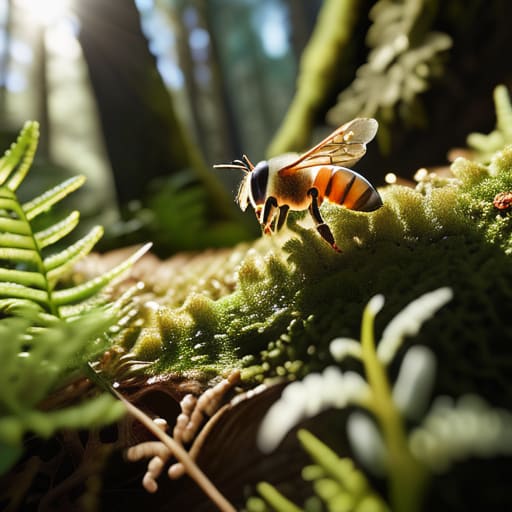
Ultimately, understanding biodiversity isn’t about memorizing a list of endangered species or panicking over every headline that claims a total collapse is imminent. It is about recognizing that the stability of our ecosystems relies on the granular, often invisible work of genetic variation and the complex web of services provided by everything from soil microbes to apex predators. When we look at the data, we see that resilience isn’t a single, massive shield; it is a collection of small, redundant systems working in tandem. If we lose too many of those specific links—the pollinators in a particular hedgerow or the decomposers in a specific soil type—the whole structure begins to fray in ways that a single, sweeping conservation policy can’t easily fix.
So, instead of waiting for a grand, global solution that might never arrive, I suggest we focus on the measurable, local realities of our own landscapes. Whether that means leaving a patch of nettles for caterpillars or advocating for better connectivity in our local green corridors, these actions are grounded in what the surveys actually tell us works. We don’t need to be perfect, and we certainly don’t need to be alarmists, but we do need to be precise. If we treat biodiversity as a living, breathing metric rather than a political slogan, we might actually stand a chance at protecting the complexity that keeps our world functioning.
