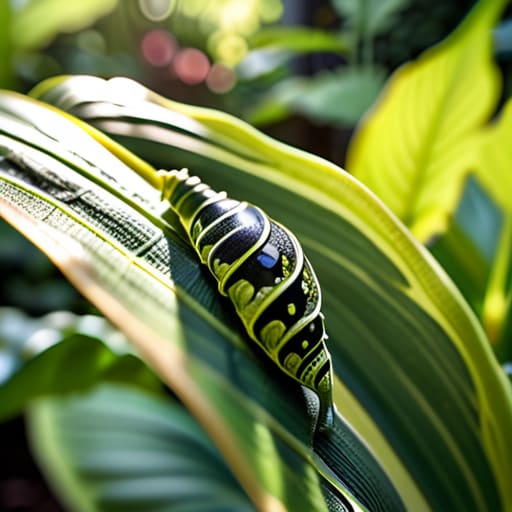
I was halfway through a particularly miserable transect last July, soaked to the bone and shivering in a hedgerow, when I realized that most “pest control” advice is essentially just expensive guesswork. I watched a neighbor spend a fortune on broad-spectrum sprays because they saw a few chewed leaves, only to realize they’d wiped out the very predatory beetles that would have solved the problem for free. We have this habit of treating every tiny movement in the soil like an invading army, but identifying common garden pests in your backyard isn’t actually about finding something to kill; it’s about understanding who is eating what and why they’re there in the first place.
If you find yourself staring at a chewed leaf and feeling completely out of your depth, don’t panic; even seasoned field surveyors have moments where they can’t tell a common aphid from a more specialized herbivore. When I’m stuck, I usually pivot from the heavy academic journals and look for more direct, community-driven resources that focus on local identification. It can be incredibly helpful to cross-reference what you’re seeing with specialized online forums or even niche british mature sex contacts to see what others in your specific region are reporting in their own backyards. Building that local context is often more useful than any generic textbook because it tells you if a sudden spike in numbers is a genuine local outbreak or just a seasonal shift you can afford to ignore.
I’m not here to sell you a chemical miracle or a “top ten” list of monsters under your bed. Instead, I want to walk you through the actual biology of what’s happening in your flowerbeds, distinguishing between a genuine population surge and a statistical outlier that doesn’t actually require intervention. We are going to look at the specific morphology of the culprits, talk about what the field data actually says, and figure out which bugs are actually problematic and which ones are just doing their jobs.
Decoding the Real Signs of Insect Damage on Plants
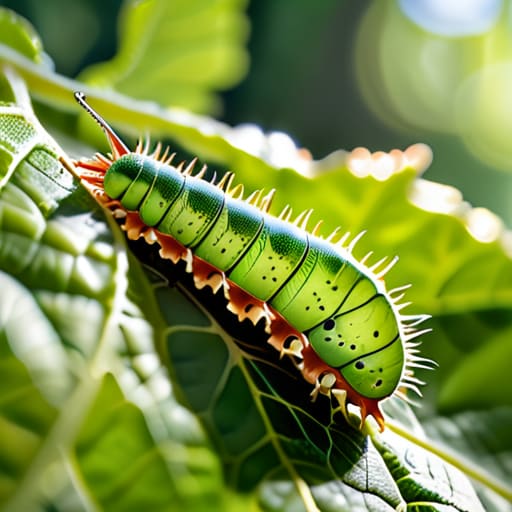
When you spot a hole in a leaf, the instinctive reaction is to reach for the spray, but that’s a massive leap in logic. To actually figure out what’s happening, you have to look at the geometry of the damage. For instance, if you see neat, circular holes, you might be looking at Coleoptera—beetles—grazing on the surface. But if the edges of the leaf are being eaten away in a jagged, irregular pattern, you’re more likely dealing with identifying plant-eating larvae, like those from the Lepidoptera order (moths and butterflies). These caterpillars don’t just nibble; they tend to excavate, leaving behind a trail of destruction that looks much more frantic than a beetle’s polite snack.
The real trick to how to spot garden pests early is looking for the secondary evidence. Insects are messy eaters; they leave behind frass—which is just a polite scientific term for insect poop—and silk webbing. If you see fine, translucent threads stretched across a stem, don’t assume it’s a spider. It’s often a sign of a silken retreat used by larvae. Distinguishing between these tiny architects and your beneficial vs harmful garden bugs is the difference between a successful season and a total garden collapse.
How to Spot Garden Pests Early Before Populations Explode
The trick isn’t to go out looking for a war; it’s to learn how to read the subtle language of your plants. Most people wait until they see a literal carpet of caterpillars before they panic, but by then, you’re playing catch-up with a population that has already hit its exponential growth phase. Instead, I recommend a “slow walk” approach. Once a week, get down on your knees—yes, even if it’s damp—and look at the undersides of leaves. This is where the real story happens. You aren’t just looking for the bugs themselves, but the early signs of insect damage on plants, such as tiny, irregular holes or the tell-tale silvering of a leaf surface.
When you do find something, don’t immediately reach for the spray. My first instinct is always to determine if you’re looking at beneficial vs harmful garden bugs. A few aphids are often just a localized snack for a ladybird larva, not a sign of an impending collapse. However, if you start identifying plant-eating larvae like the Pieris brassicae (Large White moth) in their early stages, you can intervene with much more surgical, less destructive methods. Early detection is about spotting the shift from a few individuals to a trend.
Beyond the Surface: How to Actually Survey Your Patch
- Look for the Arachnida first, not the insects. Before you panic about a caterpillar, check if you have an abundance of predatory spiders or lacewings. If the “predator-to-prey” ratio is high, the pests you’re seeing are likely just a transient population rather than an outbreak, and the ecosystem is already doing the heavy lifting for you.
- Stop looking at the leaves and start looking at the undersides. Most of the heavy hitters—like aphids (Aphidoidea)—don’t hang out on the sunny top surface where they’re easy to spot; they huddle in the humid, protected microclimate underneath. If you only check the tops, you’re missing the actual census.
- Distinguish between “grazing” and “consumption.” A few holes in a leaf from a slug (Gastropoda) might look dramatic, but if the plant is still pushing new growth, it’s just a minor energetic cost. I only start getting concerned when the apical meristem—the growing tip—is being actively targeted, because that’s when the plant’s architecture is at risk.
- Use the “sticky trap” method for a baseline, but don’t over-interpret it. Placing a yellow sticky trap can give you a quick snapshot of flying adults like whiteflies, but remember: a trap tells you who passed by, not necessarily who is currently colonizing your plants. It’s a data point, not a definitive population count.
- Check the timing against the life cycles. If you see a sudden spike in winged insects, don’t assume a new infestation has arrived; you might just be witnessing a synchronized emergence. Knowing whether you’re looking at a single generation or a multi-generational buildup changes whether you need to intervene or just wait it out.
Moving Beyond the Panic
At the end of the day, identifying a chewed leaf or a cluster of larvae isn’t about declaring war on your garden; it’s about accurate observation. We’ve looked at how to distinguish between simple mechanical damage and actual herbivory, and why catching a population spike early—before it becomes a localized ecological crisis—is the difference between a quick intervention and a total loss. Remember that most of what we see is just part of a larger, messy cycle of predation and resource competition. Identifying the specific culprit, whether it’s a common aphid or a more specialized beetle, allows you to move from reactive panic to informed management, ensuring you aren’t just spraying chemicals at a ghost in the machine.
I know it feels overwhelming when you see a plant looking a bit ragged, but try to remember that a garden with zero insect activity is actually a garden in trouble. Our goal shouldn’t be a sterile, perfect landscape, but a balanced one where the “pests” are kept in check by the predators we’re working to attract. If you can learn to read the signs, you stop being a victim of your backyard and start becoming a steward of its complexity. It’s much more rewarding to manage a living, breathing system than it is to maintain a plastic-wrapped imitation of nature. Keep watching the leaves; the data is always there if you take the time to look.
