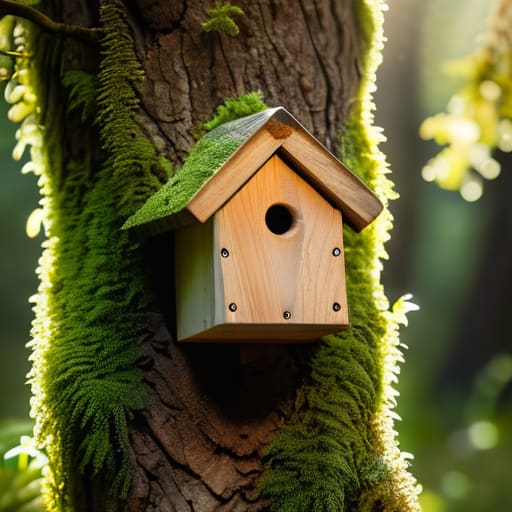
I spent three years of my PhD watching rain turn my transect data into a muddy, illegible mess, and if those summers taught me anything, it’s that nature doesn’t care about your aesthetic. I see it all the time on social media: people buying expensive, “designer” insect hotels that look more like modern art than actual biology. If you’re looking for a quick fix, buying a plastic-wrapped kit isn’t how to provide nesting habitat that actually works. Most of these commercial products are essentially empty shells that provide a perfect, dry sanctuary for spiders or beetles, but leave the specific solitary bees we’re actually worried about out in the cold.
I’m not here to sell you a lifestyle or a garden makeover; I want to talk about what the surveys actually show. In this post, I’m going to break down the difference between making a garden look “wild” and actually creating functional, life-sustaining sites. We’ll look at the specific requirements for different taxa—from the boring but vital ground-nesters to the more specialized cavity-dwellers—and I’ll be honest about where the evidence is thin. My goal is to help you move past the hype so you can implement changes that genuinely move the needle on local biodiversity.
Table of Contents
Moving Past Trends in Pollinator Habitat Creation
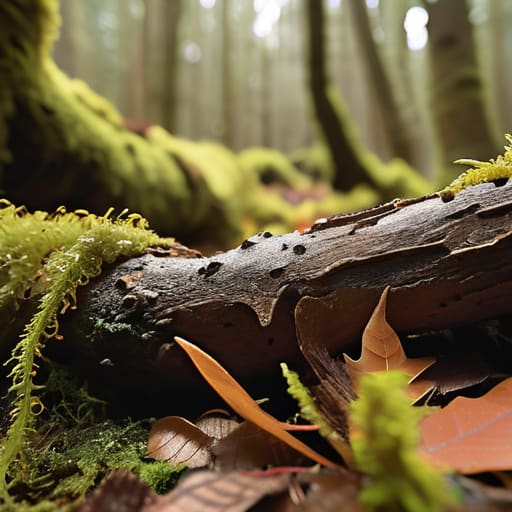
We’ve entered this strange era of “aesthetic conservation,” where people buy a pre-packaged “pollinator kit” from a garden centre and assume the job is done. It looks great on Instagram—all purple coneflowers and tidy little wooden insect hotels—but if we’re being honest, most of those mass-produced bug hotels are actually just death traps for solitary bees. They often lack the specific diameter or depth required for different species, and if they aren’t maintained, they become damp, fungal breeding grounds. Effective pollinator habitat creation isn’t about buying a prop; it’s about understanding the messy, structural reality of what an insect actually needs to survive a winter.
I see a lot of confusion where people conflate bird nesting requirements with insect needs, assuming that more “stuff” equals more life. It doesn’t. If you want to move beyond the trends, you have to stop thinking about your garden as a collection of objects and start thinking about it as a series of micro-climates. This means focusing on nesting site selection based on soil type and sun exposure rather than just where a decorative log looks best. We need to stop chasing the “look” of nature and start replicating the actual mechanics of it.
Nesting Site Selection Based on Real Evidence
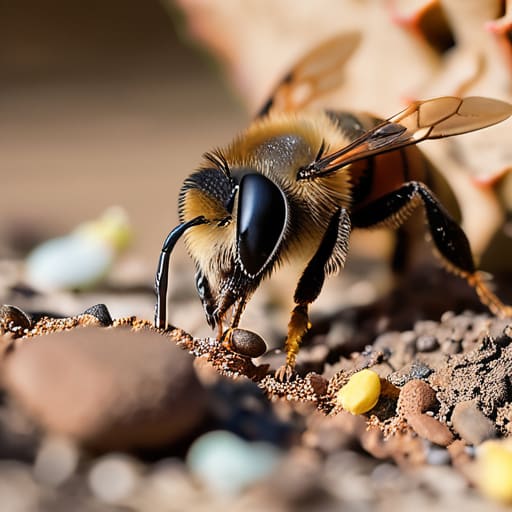
When we talk about nesting site selection, the conversation usually drifts toward “making a mess” in the garden. While that’s a good starting point, it’s a bit imprecise. If you’re looking at solitary bees—specifically those in the Andrena genus—they aren’t just looking for a pile of debris; they are looking for specific soil textures and aspects that allow for thermal regulation. A heap of sticks in a damp, shaded corner might look “wild,” but if the soil is too compacted or stays waterlogged, it’s a death trap for ground-nesting larvae.
We also need to stop conflating different taxa. Most people lump everything into one bucket, but bird nesting requirements are a completely different ballgame compared to the micro-climates needed by a lacewing or a mason bee. If your goal is true biodiversity in backyard gardens, you have to stop thinking about “habitat” as a single aesthetic and start thinking about it as a series of specific, functional niches. It isn’t enough to just provide natural nesting materials; you have to ensure those materials are placed where the local specialists can actually find and use them.
Stop Guessing: Five Ways to Actually Build a Nesting Site
- Osmia cornuta and other solitary bees don’t want a fancy, store-bought “bee hotel” that sits in the direct sun; they need something with varied diameter tubes and, more importantly, something that stays dry. If your nesting structure is a single block of drilled wood that collects condensation, you aren’t building a home, you’re building a mould farm.
- If you’re aiming for ground-nesting species like many Andrena (mining bees), stop the urge to tidy up. You need bare, unmulched soil. If you cover every square inch of your garden in woodchips or heavy lawn, you’ve effectively paved over their entire nursery.
- We need to talk about “messy” margins. A pile of dead wood or a patch of hollow-stemmed stalks isn’t just garden debris; for many invertebrates, it’s a structural requirement for overwintering. If you clear-cut your garden every autumn, you’re removing the very scaffolding these populations need to survive until spring.
- Connectivity matters more than total area. A massive, isolated patch of nesting habitat in the middle of a manicured lawn is a biological island. You want to create “stepping stones”—small, staggered pockets of nesting sites and floral resources—so that a female bee can actually navigate from one patch to the next without running out of fuel.
- Diversity of substrate is better than a single “perfect” feature. Instead of buying one mass-produced insect hotel, try to provide a mosaic: a bit of sandy soil, a few patches of dead wood, some standing stalks, and some bare ground. The data shows that species richness increases when you stop trying to cater to one “type” of insect and instead provide a variety of micro-habitats.
The Bottom Line for Your Field Margin
Stop aiming for “aesthetic” and start aiming for structural diversity; a pile of uniform twigs is just a pile of twigs, but a mix of decaying wood, hollow stems, and bare earth is a functional toolkit for different life stages.
Evidence shows that “messy” is more effective than “managed,” so resist the urge to tidy up the edges of your garden or field unless you’re specifically targeting a species that requires a very particular niche.
Don’t mistake a single good season for a population recovery; real conservation happens when you create stable, repeatable habitats that survive the winter, not just flashy summer blooms that disappear by August.
Beyond the Garden Fence
At the end of the day, providing nesting habitat isn’t about achieving a certain aesthetic or checking off a list of “wildlife-friendly” buzzwords. It’s about the messy, unglamorous reality of substrate and microclimates. We’ve looked at why blindly following broad trends often fails us, and why choosing specific, evidence-based sites—like those south-facing, well-drained patches of bare ground for solitary bees—is what actually makes a difference. If you aren’t thinking about the specific biological requirements of the species you actually want to see, you’re just gardening with good intentions. We have to move from “making things look natural” to understanding the ecological function of the spaces we manage.
I know it can feel overwhelming when you see the data on insect decline, but please don’t let the scale of the problem paralyze you. Conservation doesn’t always require a massive landscape-scale intervention; sometimes, it’s just about leaving that one patch of scrub alone or ensuring a strip of hedgerow isn’t too manicured. When we stop chasing the headlines and start focusing on the actual mechanics of survival, we start building something that lasts. It’s slow, it’s precise, and it’s often invisible to the naked eye, but that is exactly how we build resilience where it matters most.
