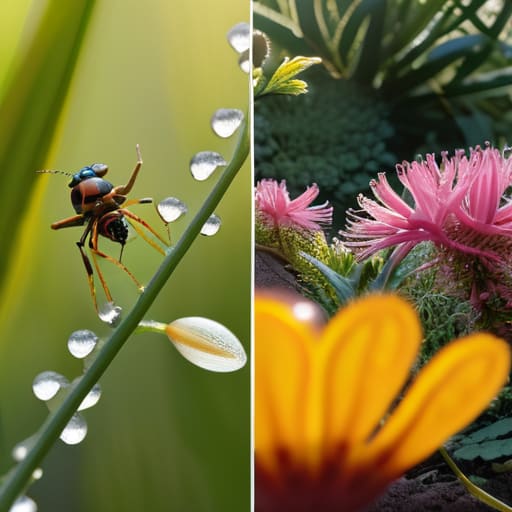
I was waist-deep in a damp, wind-whipped hedgerow last Tuesday, trying to record the presence of Bombus terrestris—the buff-tailed bumblebee—when I realized just how much misinformation is floating around the gardening community. I keep hearing this absolute certainty that if you don’t plant 100% indigenous species, you’re essentially building an ecological graveyard. It’s a polarizing debate, and frankly, the way people argue about how native and non native plants compare is usually more about ideology than actual entomological data. I’ve spent enough summers counting pollinators in the rain to know that nature doesn’t always follow our neat, human-made categories of “correct” or “incorrect.”
In this post, I’m stripping away the alarmist headlines and the “ecological desert” labels to look at what the surveys actually show us. I won’t give you a lecture on botanical purity; instead, I’ll walk you through the nuanced reality of how different species actually support insect life. We’re going to look at where the evidence is rock-solid and where it’s still a bit thin, so you can make decisions based on actual biodiversity value rather than just following the latest trend.
Table of Contents
The Real Ecological Impact of Invasive Species
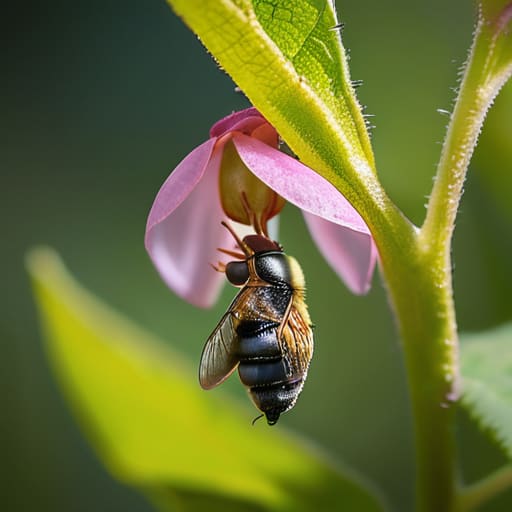
When we talk about the ecological impact of invasive species, the conversation usually drifts toward “invaders” taking over entire landscapes, which is a bit of a dramatic simplification. In reality, the problem isn’t just that they are growing quickly; it’s that they often lack the evolutionary “handshake” that local insects rely on. I’ve spent too many afternoons staring at a patch of Impatiens glandulifera—the Himalayan Balsam—realizing that while it looks lush, it’s essentially a nutritional dead end for many of our specialist pollinators. It creates a monoculture that looks green and healthy to the untrained eye, but it’s actually starving the local food web by displacing the specific host plants that larvae need to survive.
It isn’t just about the plants themselves, though; it’s about the invisible connections. When an invasive species takes hold, it can fundamentally alter soil health and plant adaptation in the surrounding area, changing the chemistry of the ground so that even if you pull the weed out, the original community struggles to return. We have to move past the idea that a plant is “good” or “bad” based on its looks and start looking at how it functions within the existing web.
Measuring True Pollinator Support From Native Vegetation
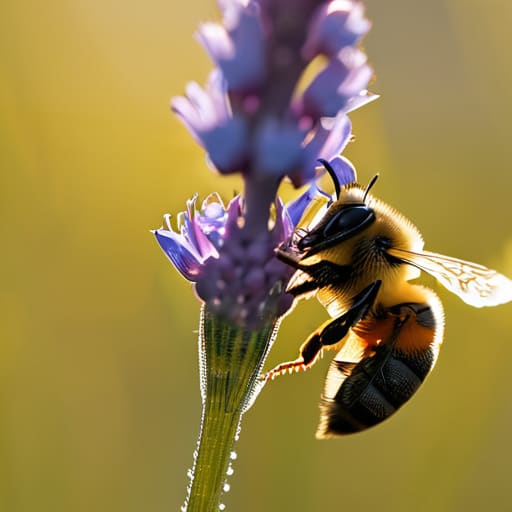
When we talk about pollinator support from native vegetation, the conversation usually defaults to a binary: native is good, non-native is bad. But if you’ve ever spent a Tuesday afternoon squinting at a transect line in a damp hedgerow, you know that nature doesn’t work in neat little boxes. It isn’t just about whether a plant is “from here” or “from there”; it’s about the synchronicity of the life cycles. A non-native plant might offer a massive nectar reward, but if its blooming period doesn’t align with the emergence of local specialist bees, that caloric jackpot is effectively useless to the species that need it most.
This is where the data gets messy. We have to look at the specific nutritional quality and phenology of the flora. Some studies suggest that certain non-native ornamentals can act as “bridge” resources during nectar gaps, but we need more longitudinal data before we call that a win for biodiversity. My concern is that we focus so much on the presence of flowers that we ignore the complex relationship between soil health and plant adaptation, which ultimately dictates how much energy a plant can actually invest in pollen production.
Beyond the "Native Only" Mantra: 5 Ways to Actually Manage Your Patch
- Stop treating “non-native” like a dirty word; if you have a specific gap in your flowering phenology—say, a mid-summer dearth where nothing is blooming—a non-native nectar source can act as a vital bridge for local pollinators while you wait for your native perennials to establish.
- Prioritize “functional” over “origin” when looking at generalist species; while specialists like certain Andrena bees might need specific native hosts, many of our most common bumblebees are surprisingly opportunistic and will utilize a wider range of floral architectures than the headlines suggest.
- Audit your garden for “ecological traps,” which is when a plant looks great on a spreadsheet but provides zero actual value; some non-native ornamentals are bred for petal count rather than nectar accessibility, meaning they’re essentially beautiful, empty calories for an insect.
- Focus on structural complexity rather than just species lists; whether the plant is native or not, having a messy mix of heights, leaf litter, and varying bloom times creates the micro-habitats that insects actually need to overwinter and breed.
- Watch the competition, not just the chemistry; the real danger isn’t necessarily a non-native plant being “bad” for insects, but rather a non-native plant being so aggressive that it outcompetes the local flora, effectively shrinking the diversity of the food web through sheer volume.
The Bottom Line for Your Garden
Stop treating “non-native” like a dirty word; while native plants are the gold standard for specialized pollinators, some non-natives provide critical nectar bridges when the native season hits a dry spell.
Focus on floral diversity and bloom timing rather than just the botanical origin of the plant, because a garden that flowers continuously is more useful to a hungry bee than a “perfectly native” patch that goes dormant in July.
Avoid the trap of “all-or-nothing” thinking—you don’t need to rip up your entire garden to fix a biodiversity crisis, but you should start prioritizing native species that support the specific life cycles of your local insect specialists.
Beyond the Binary
If there is one thing I want you to take away from this, it is that the “native versus non-native” debate is rarely as black and white as a sensationalist headline suggests. We have seen that while native plants are the gold standard for specialized pollinators, some non-native species can still provide critical nectar resources when the native window is closed. However, we cannot let the presence of a few “helpful” exotics become an excuse to ignore the systemic collapse of our local biodiversity. The data shows that we need to stop looking for a single magic bullet and start looking at the functional diversity of our landscapes. It isn’t just about the label on the seed packet; it is about whether that plant actually fills a gap in the local food web.
At the end of the day, conservation isn’t about achieving a state of perfect, untouched purity; it is about making sure the insects actually have something to eat. Whether you are managing a sprawling field margin or a tiny, paved-over urban balcony, your goal should be to increase complexity. Don’t get paralyzed by the fear of planting the “wrong” thing. Instead, focus on creating a messy, layered, and continuous habitat that offers resources from early spring through late autumn. If we stop obsessing over the semantics and start focusing on the actual biomass and nectar availability, we might actually stand a chance at keeping the buzz alive.
