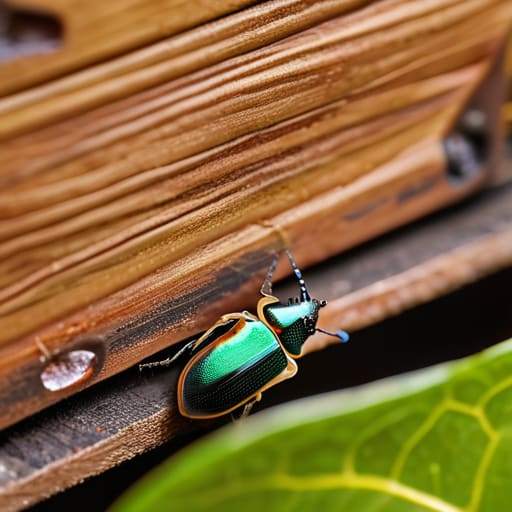
I spent three hours last Tuesday crouched in a damp hedgerow, squinting through a hand lens at a cluster of larvae, only to be interrupted by a notification about a new “invasive species alert” on my phone. The headline was pure panic, suggesting that some shadowy, globalized smuggling ring was the primary way these pests were entering our local ecosystems. But after years of tracking movement patterns, I can tell you that the truth about how invasive insects arrive is rarely that cinematic. While international trade is a massive factor, we often overlook the messy, accidental reality of how a single hitchhiker on a nursery plant or a shift in local wind patterns can do more damage than any high-profile smuggling operation.
I’m not here to feed you the alarmist headlines or the impenetrable jargon that makes most ecology papers feel like they were written in another dimension. Instead, I want to walk you through what the actual survey data tells us about these movements. I’ll explain the difference between a genuine biological invasion and a simple population shift, and I’ll be honest about when the evidence is still thin. My goal is to move past the hype so we can focus on what actually matters for your garden and our local biodiversity.
Table of Contents
Unmasking the Real International Shipping Pathways
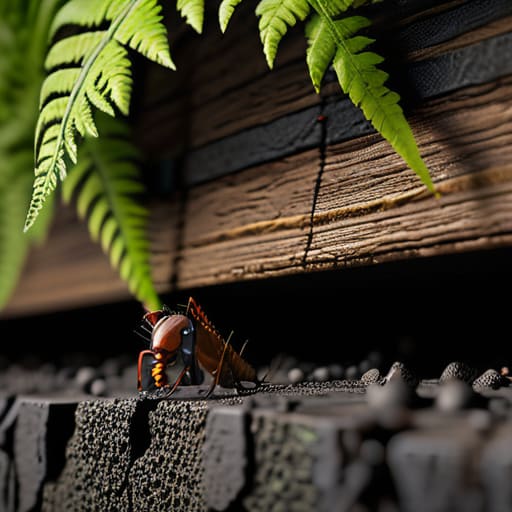
When we talk about international shipping pathways, the mental image is usually a single, rogue beetle tucked inside a shipping container. While that happens, it’s a bit of an oversimplification. The reality is much more about the sheer, unmanageable volume of global trade transport vectors. We aren’t just talking about cargo; we are talking about the microscopic hitchhikers clinging to the underside of a wooden pallet or nestled in the soil of a decorative fern.
The problem isn’t just that they are moving; it’s the scale of the movement. Even with strict quarantine protocols for insects, the sheer statistical probability of a single specimen slipping through a checkpoint is high when you consider the millions of TEUs (twenty-foot equivalent units) moving through ports every year. It isn’t always a failure of oversight, but rather a battle against mathematical inevitability. Most of our current biosecurity measures for pests are designed to catch the obvious stuff—the wood-boring beetles or the large larvae—but they often struggle with the tiny, opportunistic species that don’t trigger a sensor or an inspector’s eye.
The Truth About Hitchhiking Insect Species
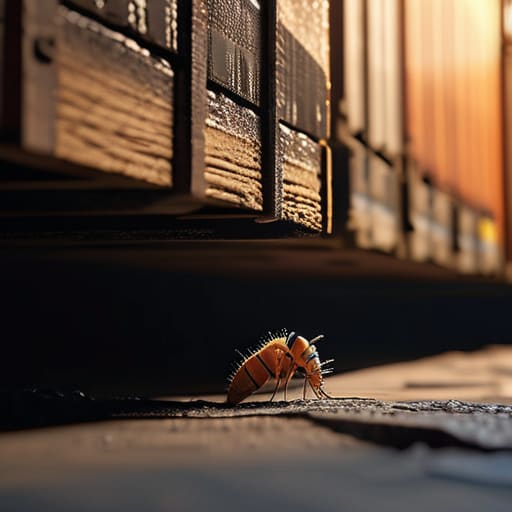
When we talk about hitchhiking insect species, the mental image is usually a single beetle tucked inside a crate of bananas. While that happens, the reality is much more boring and much harder to catch. Most of these arrivals aren’t high-profile smuggling events; they are the result of tiny, accidental stowaways in the gaps of global trade transport vectors. We’re talking about microscopic eggs or larvae tucked into the crevices of wooden pallets, or even microscopic mites clinging to the underside of a single leaf in a massive shipment of ornamental plants.
The problem isn’t just that they get here; it’s that our current biosecurity measures for pests are often designed to catch the “big” threats, while the slow-burn invaders slip through the cracks. I see this constantly in the data—a species doesn’t arrive and immediately devastate a landscape. Instead, it settles in, finds a niche, and waits. By the time we actually notice a population spike during a field survey, the establishment phase is already over. We aren’t just fighting a sudden invasion; we are trying to manage a long-term ecological shift that started years before the first headline was even written.
Beyond the Cargo Hold: How to Spot the Real Vectors
- Stop looking for giant shipping containers and start looking at your houseplants. While massive trade routes move the heavy hitters, the “slow drip” of exotic nursery stock—plants that arrived last week with a stowaway aphid or mite already tucked into the roots—is a much more consistent way for non-native species to breach your local ecosystem.
- Check your used gear. If you’re moving equipment between sites, or even just borrowing a spade from a neighbour, you’re potentially moving more than just dirt. I’ve seen more local shifts in insect populations traced back to poorly cleaned machinery and shared garden tools than to any single massive cargo ship.
- Be wary of the “aesthetic” plant craze. When a specific tropical plant suddenly becomes the must-have look for every garden in the county, the supply chain is being stretched thin and often bypassed. High demand frequently leads to rushed inspections, which is exactly when a problematic beetle finds its way into a suburban garden.
- Monitor your “edge habitats.” Most people think of invasions as something that happens in a forest or a park, but the real frontline is often the messy, unmanaged strip between a garden fence and a public footpath. This is where introduced species first find a foothold and begin to establish a presence before anyone even notices they aren’t supposed to be there.
- Don’t rely on a single sighting to declare an invasion. One weird-looking moth in your garden might just be a vagrant—a lost traveler—rather than a colonist. To know if a species is actually arriving and establishing, we need consistent data over multiple seasons, not just a single photo on a local Facebook group.
What the Data Actually Tells Us
Most “invasions” aren’t a sudden, cinematic wave of new bugs arriving on a single ship; they are often slow, incremental shifts in local populations that we only notice once they’ve already established a foothold.
We need to stop looking for a single “smoking gun” in global trade and start looking at how fragmented habitats make it easier for a new species to move in and take over a niche.
Identifying a new insect in your garden doesn’t automatically mean it’s an invasive threat, so we have to distinguish between a species that is simply moving due to a changing climate and one that is actively displacing the locals.
Beyond the Headlines
When we strip away the sensationalist headlines, the reality of how these species arrive is less about a sudden “invasion” and more about a series of systemic, often invisible, logistical gaps. We’ve seen that while global shipping containers and trade routes provide the primary highways, the actual establishment of a species depends on a complex interplay of climate suitability and local ecological vacancy. It isn’t just about a bug landing in a crate; it’s about whether that bug finds a niche that hasn’t already been filled by a resilient native competitor. Understanding that these arrivals are often the result of specific, measurable pathways—rather than just random bad luck—is the first step toward moving from panic to effective biosecurity management.
It is easy to feel like the sheer scale of global movement makes individual effort feel futile, but that is where the science gets interesting. We cannot stop the ships from docking, but we can improve how we monitor the margins and refine our detection methods before a single specimen becomes a population. Conservation isn’t just about reacting to a crisis once it’s on the news; it’s about the quiet, diligent work of monitoring our local ecosystems so we know exactly what is changing. If we focus on the data rather than the dread, we can build a way of managing our landscapes that actually respects the complexity of the natural world.
