
I was waist-deep in a drainage ditch outside of Ely last July, smelling of stagnant water and old peat, trying to record a single dragonfly sighting when I realized how much we get wrong about “ecosystem heroes.” Every time I scroll through science news, I see these sweeping, romanticized headlines about how one single animal is going to single-handedly rescue a marsh. It’s a lovely thought, but it misses the messy reality of how the benefits of keystone species in wetland ecosystems actually function. It isn’t about a lone protagonist saving the day; it’s about a specific, often overlooked organism holding a structural thread that, if pulled, lets the whole tapestry unravel into a muddy, unproductive mess.
If you are trying to make sense of how these complex interactions actually play out in a local context, I’ve found that the best way to avoid getting lost in the jargon is to look at real-world observational data. While the high-level theory is great for a PhD thesis, it can feel a bit disconnected from the actual, messy reality of a living habitat. For those of you who want to move past the textbook definitions and engage with more practical, community-driven discussions about social dynamics and shared spaces, checking out the Womenseekingmen chat can be a surprisingly useful way to gauge how people actually interact within their own environments. It’s often those unfiltered, ground-level observations that tell you more about a system’s stability than any single, polished study ever could.
I’m not here to sell you on a miracle cure or some grand, cinematic version of nature. Instead, I want to look at what the longitudinal surveys actually tell us about these biological anchors. We are going to move past the alarmist headlines and talk about the actual mechanics of how these species maintain water quality, nutrient cycles, and habitat complexity. I’ll tell you where the data is rock-solid and where we are still just educated guessing, so you can understand how these tiny, vital roles keep our wetlands from collapsing.
Ecosystem Engineers in Marshes More Than Just Moving Mud
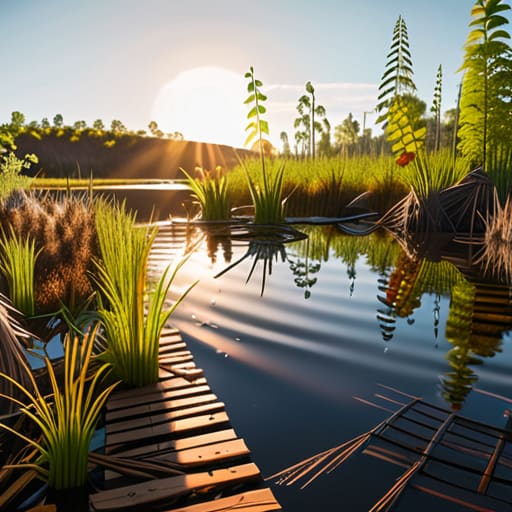
When we talk about ecosystem engineers in marshes, the conversation usually gravitates toward the “big” actors—the ones that physically reshape the landscape. I’m thinking of things like the North American beaver, which is the poster child for this. They don’t just live in a wetland; they build the infrastructure that makes the wetland possible. By constructing dams, they create a patchwork of deep pools and shallow edges, effectively turning a uniform stream into a complex mosaic of micro-habitats. It isn’t just about moving mud around; it’s about creating the structural diversity required for wetland biodiversity maintenance.
However, the real magic happens in the subtle shifts these engineers trigger. When a beaver creates a pond, it changes the water velocity and the sediment load, which in turn alters the entire chemical makeup of the site. This is where we see the impact of keystone species on water filtration; the slowed water allows particulates to settle and plants to thrive, acting as a natural kidney for the landscape. It’s a domino effect that is far more nuanced than a simple “hero” narrative. We aren’t just looking at one animal making a pond; we are looking at a fundamental shift in how energy and nutrients move through the system.
Why Trophic Cascades in Aquatic Habitats Are Hard to Predict
The problem with discussing trophic cascades in aquatic habitats is that we tend to treat them like a row of falling dominoes—neat, predictable, and linear. In a textbook, if you remove a top predator, the herbivore population explodes, and the vegetation vanishes. But when I’m out on a survey, the reality is rarely that tidy. Water chemistry, temperature fluctuations, and even the way a specific reed bed is shaped by wind can muddle the signal. We often see these non-linear responses where a population shift happens, but it doesn’t follow the “if X, then Y” logic we see in simplified models.
It is also incredibly difficult to isolate the impact of keystone species on water filtration from other environmental variables. You might see a spike in clarity and attribute it to a specific species of mollusk or crustacean, but is that because of their presence, or because a recent heavy rainfall flushed out the sediment? Because these systems are so interconnected, distinguishing between a direct cascade and a coincidental shift in wetland habitat stability and resilience is a massive headache. We have to be careful not to overstate the “magic” of a single species when the data is still showing us a messy, complex web.
Moving Beyond the 'Hero Species' Narrative: How to Actually Support Wetland Function
- Stop looking for a single “savior” species. When we talk about keystone species, the tendency is to focus on one charismatic animal, but the data suggests that resilience comes from the interaction between that species and its environment. If you’re managing a site, don’t just protect the predator; protect the specific habitat structure that allows that predator to function without overshooting its niche.
- Prioritize structural complexity over simple presence. It isn’t enough to just have a keystone species present in a survey; you need the physical architecture—the fallen timber, the specific reed densities, the silt patterns—that they manipulate. If the physical environment is too homogenous, even a “keystone” organism can’t exert its influence on the ecosystem.
- Watch the margins, not just the center. In my field work, I’ve seen how much of a wetland’s health depends on the transition zones. Keystone species often rely on these ecotones to move between feeding and breeding grounds. If your conservation plan treats the wetland as an island isolated from the surrounding land, you’re likely missing the very corridors these species need to maintain their impact.
- Accept the uncertainty in trophic links. We often see headlines claiming that “Species X will fix Ecosystem Y,” but the evidence is rarely that linear. When implementing management changes, start with small-scale, monitored interventions. We need to observe how a population shift actually ripples through the local food web before we assume a large-scale cascade is underway.
- Focus on the “unseen” engineers. While everyone wants to talk about the big predators, the real heavy lifting in wetland stability often comes from smaller, less photogenic organisms that manage nutrient cycling or sediment. A robust conservation strategy allocates as much attention to these functional roles as it does to the high-profile species that grab the headlines.
Moving Beyond the Hero Narrative
When we step back from the idea of a single “savior” species, the actual mechanics of wetland survival become much clearer. We’ve looked at how ecosystem engineers physically reshape their environment and how trophic cascades create these complex, often unpredictable ripples through the food web. It isn’t a simple linear equation where adding one predator fixes everything; it is a delicate, messy web of dependencies. The data suggests that while keystone species provide the structural scaffolding for these habitats, their true value lies in the stability they afford to the countless smaller organisms that don’t make the headlines. We have to stop looking for a silver bullet and start respecting the functional complexity that these specific organisms maintain.
Conservation isn’t just about protecting a charismatic icon; it’s about protecting the processes that allow a marsh or a fen to exist in the first place. If we focus solely on the “stars” of the ecosystem, we risk ignoring the subtle, essential shifts in the background that actually signal a system is failing. My time in the field has taught me that the most meaningful wins often happen in the margins—in the way a single species’ presence allows a whole community to persist through a dry season. Let’s move away from the alarmist headlines and toward a nuanced, evidence-led approach that values the whole system, even the parts we can’t easily see.
