
I once spent three hours crouched in a damp hedgerow, shivering in a jacket that had long since lost its waterproofing, all because I’d read a forum post claiming you needed high-end thermal optics to see anything meaningful. It turns out, most of the advice you find online about how to watch badgers responsibly is either wildly over-engineered or dangerously vague. People treat wildlife observation like a high-stakes gear race, when in reality, the best way to respect a setts’ territory is often to stay out of the way entirely. We get so caught up in the “spectacle” of the encounter that we forget we are uninvited guests in someone else’s living room.
I’m not here to sell you a specific brand of night-vision goggles or promise you a cinematic encounter. Instead, I want to talk about what actually works when you’re standing in the dark: understanding animal behavior, respecting distance, and knowing when to turn back. I’ll give you the unvarnished reality of what field observation actually looks like, moving past the flashy headlines to focus on the quiet, ethical habits that keep both you and the badgers safe.
Table of Contents
The Truth About Minimizing Wildlife Disturbance
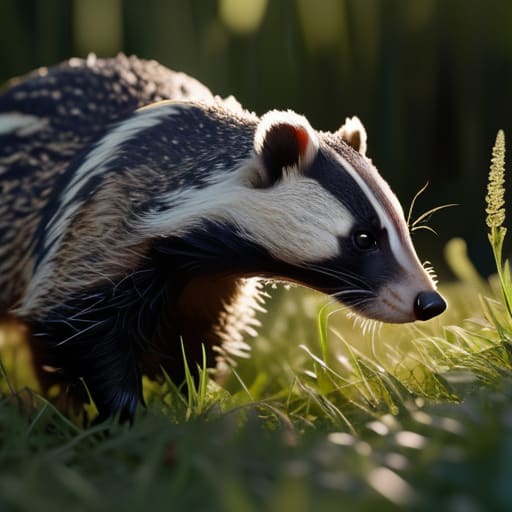
The problem with most “nature photography” advice is that it prioritizes the shot over the subject. We see influencers trekking through thickets at midnight to get that perfect, glowing eye-shine, but they rarely mention the physiological cost of that encounter. When we talk about minimizing wildlife disturbance, we aren’t just being polite; we are trying to prevent a spike in cortisol levels that can disrupt a badger’s foraging or, worse, their breeding cycles. If a badger stops what it’s doing to look at you, you’ve already crossed the line from observer to intruder.
This is where wildlife observation ethics become more practical than philosophical. It’s not about feeling guilty; it’s about understanding that a badger sett is a high-stakes living space, not a stage set. In the UK, the law is quite clear regarding protecting badger setts, but even if you aren’t breaking a specific statute, you can still cause long-term harm through subtle habitat degradation. My rule of thumb? If you have to change your behavior to see them, they’ve already changed theirs because of you.
Nocturnal Animal Viewing Tips That Actually Work
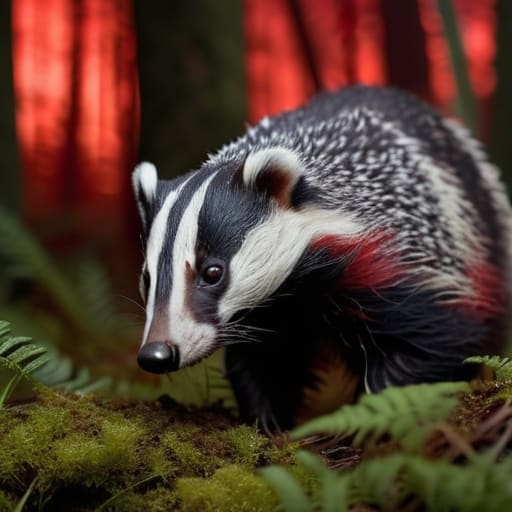
First, let’s talk about light. I know the temptation to grab a high-lumen tactical torch and sweep the undergrowth like you’re filming a horror movie, but please, don’t. If you are serious about nocturnal animal viewing tips that don’t end in a stressed-out animal bolting into a hedge, stick to red light filters. Most mammals have eyes tuned for extreme sensitivity; a sudden blast of white light is essentially a physical blow to their sensory system. It disrupts their foraging rhythm and, more importantly, it can make them feel exposed to predators.
Secondly, you have to respect the geography of the site. If you’re near a known sett, your presence alone is a variable in their survival equation. Protecting badger setts isn’t just about staying out of the hole; it’s about maintaining a respectful buffer zone so you aren’t inadvertently changing their behavior. I’ve spent too many nights watching a badger pause, scent the air, and retreat because a group of people was standing too close to a feeding path. Real wildlife observation ethics means accepting that sometimes the best way to “see” them is to sit still, stay dark, and let the landscape do the work.
Five ways to watch badgers without becoming the problem
- Respect the sett boundaries. A badger sett isn’t just a hole in the ground; it’s a high-traffic communal hub that requires massive amounts of energy to maintain. If you’re hovering right at the entrance with a high-lumen flashlight, you aren’t “observing” them—you’re interrupting their ability to forage and sleep, which can have a ripple effect on the whole clan’s health.
- Manage your light hygiene. I know, the temptation to use a massive tactical torch to see every detail of their guard hairs is real, but please stop. Use a red light filter if you absolutely must see something, or better yet, let your eyes adjust to the dark. Intense white light can cause temporary blindness in nocturnal mammals, leaving them vulnerable to predators or even just disoriented in their own territory.
- Keep the noise floor low. Badgers have incredibly sensitive hearing, and they don’t need to know you’re there. If you’re standing in a group whispering loudly or crunching through dry leaves like you’re part of a percussion ensemble, they’ll bolt long before you get a decent look. If you can hear yourself talking, they can definitely hear you.
- Distance is your best data point. The goal is to observe natural behavior, not “reactionary” behavior. If the badger stops what it’s doing—whether that’s digging or sniffing—and looks directly at you, you are too close. You’ve transitioned from a witness to a stimulus. True monitoring happens when the animal doesn’t even realize the survey is taking place.
- Leave no trace, especially the digital kind. It’s easy to think a quick photo is harmless, but if you’re posting real-time locations of active setts on social media, you are essentially handing a map to anyone with bad intentions. Keep your sightings general. Protect the location data as fiercely as you protect the animals themselves.
The Reality Check: What Actually Matters When You're Out There
Prioritize habitat integrity over the perfect photo; a blurry shot of a badger in its natural, undisturbed state is worth infinitely more to conservation than a high-res image taken from a position that forced the animal to change its behavior.
Respect the “buffer zone” of silence; it isn’t just about being quiet, it’s about understanding that sound travels differently at night and that your presence—even if you feel invisible—is a variable that can skew the very data we rely on to protect these species.
Accept the uncertainty of the encounter; most nights you won’t see anything at all, and that’s okay—learning to sit with the quiet and the lack of “results” is how you move from being a spectator to being a respectful observer of a functioning ecosystem.
The Reality of Watching Wildlife
At the end of the day, responsible badger watching isn’t about mastering a complex set of rules; it’s about understanding that we are guests in a space that isn’t ours. We’ve talked about why minimizing your light footprint matters and why those “pro” nocturnal viewing tips—like staying downwind and keeping your distance—are actually just common-sense ways to avoid disrupting a natural cycle. It isn’t always glamorous, and sometimes the best way to “watch” is to simply sit quietly in the dark and accept that you might not see anything at all. But if we prioritize minimizing our presence over getting the perfect photo, we ensure that the animals we’re so desperate to see aren’t paying a price for our curiosity.
I know it can feel frustrating when the data is thin or when you spend three hours in a damp field only to see a single shadow move. But that patience is exactly what real conservation looks like. We have to move away from the idea that nature is a spectator sport designed for our instant gratification. Instead, try to view every quiet, unsuccessful night as a win for the ecosystem, because it means you left the habitat undisturbed and intact. If we can learn to value the silence as much as the sighting, we might actually stand a chance at protecting these species for more than just a headline.
