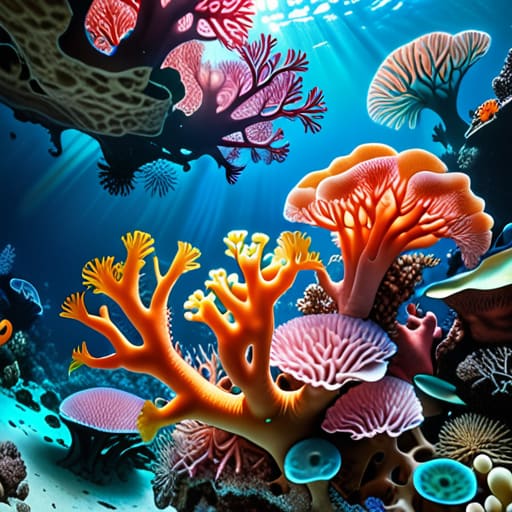
I spent three months last year squinting through a dive mask, trying to distinguish between healthy polyps and the skeletal, algae-choked remains of a dying reef, and I realized something: most of the media coverage is just noise. You see these sweeping, apocalyptic headlines that claim the entire ocean will vanish by Tuesday, which is both scientifically illiterate and exhausting to read. People get so caught up in the drama that they miss the actual mechanics of the system, failing to grasp why protecting coral reefs matters for ocean health in a way that actually relates to the food chains and coastal stability we rely on. It isn’t just about saving a pretty underwater garden; it’s about the structural integrity of the entire marine ecosystem.
I’m not here to give you a lecture on abstract environmentalism or sell you on a miracle solution that doesn’t exist. Instead, I want to look at what the actual survey data is saying about reef resilience and where the real vulnerabilities lie. I promise to skip the alarmism and the impenetrable jargon to explain the tangible connections between coral vitality and global ocean stability. We’re going to look at the evidence as it stands, even when it’s messy, so you can understand what is actually at stake.
The Real Impact of Coral Bleaching on Ocean Life
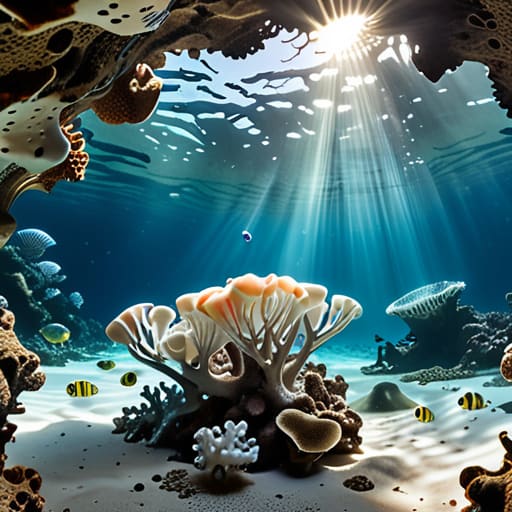
When we talk about bleaching, the media often treats it like a single, dramatic event—a sudden flash of white before death. But if you look at the actual survey data, the reality is much more of a slow, grinding attrition. It isn’t just about the coral dying; it’s about the structural collapse that follows. When the calcium carbonate skeletons break down, the complex, three-dimensional architecture of the reef vanishes. This is where we see the true impact of coral bleaching on ocean life, because that architecture is the only thing providing shelter for the thousands of species that rely on these nooks and crannies to hide from predators.
Without that physical complexity, the entire food web begins to fray at the edges. We aren’t just losing “pretty colors”; we are losing the nursery grounds that support much of the world’s fish stocks. This highlights the critical importance of reef habitats for fisheries, as many species spend their juvenile stages tucked safely within the reef before moving into the open ocean. If the habitat flattens, the recruitment of these fish fails. It’s a cascading loss of function that is much harder to repair than a single headline would suggest.
What Marine Biodiversity and Coral Ecosystems Actually Require
If we want to move past the doom-scrolling headlines, we have to talk about what these systems actually need to function. It isn’t just about “saving the pretty colors”; it is about maintaining the structural complexity that allows life to exist in the first place. When we look at the importance of reef habitats for fisheries, we aren’t just talking about a food source; we are talking about the nursery architecture that supports entire oceanic food webs. If the physical skeleton of the reef degrades, the biological community following it doesn’t just move elsewhere—it collapses because the “house” is gone.
This stability is currently being squeezed by two distinct but overlapping pressures. While bleaching is the visible crisis, we cannot ignore the quieter, more insidious role of ocean acidification and reef survival. It is one thing to survive a heatwave; it is quite another to try and build a calcium carbonate skeleton when the water chemistry is actively working against you. We need to stop treating these as separate, isolated events and start viewing them as a cumulative tax on the reef’s ability to regenerate.
Moving Beyond the "Save the Reefs" Slogan: What Actually Works
- Stop looking for a silver bullet. In my field work, we see that “protecting” a reef isn’t a single action; it’s about managing local stressors like runoff and overfishing so the ecosystem has the resilience to handle the big stuff, like rising temperatures.
- Prioritize “refugia” in your conservation planning. We need to identify and shield the specific pockets of reef that are naturally more heat-tolerant. It’s not about saving every square inch equally; it’s about protecting the biological lifeboats that can reseed the rest of the ocean.
- Demand data-driven policy over performative gestures. I see so many headlines about “restoration projects” that are essentially just gardening with coral. Unless there is a long-term monitoring plan to see if those corals actually survive a thermal event, it’s just expensive decoration.
- Support the reduction of terrestrial sediment. It’s easy to blame the ocean for everything, but what happens on land—specifically how we manage coastal development and agriculture—dictates how much silt and nitrogen ends up choking the reef. You can’t fix the ocean if you’re still poisoning the rivers that feed it.
- Focus on functional diversity, not just species counts. It isn’t enough to just have “lots of fish”; we need the specific herbivores, like certain parrotfish, that graze on algae. If the grazers are gone, the algae take over, and the coral loses its ability to settle and grow.
Beyond the Data Points
We have to move past the idea that coral reefs are just pretty, static backdrops for divers; they are the high-stakes infrastructure of our oceans. From the way bleaching events trigger a domino effect through the food web to the specific, complex habitat requirements that keep biodiversity from collapsing, the data is clear: we are losing the very foundations of marine life. It isn’t just about losing a colorful landscape; it is about the systemic failure of an ecosystem that supports everything from microscopic organisms to the global fisheries we rely on. If we keep treating reef health as a secondary concern or a vague environmental metric, we are essentially ignoring the biological blueprints that keep our oceans functioning.
I know that looking at these survey results can feel like watching a slow-motion train wreck, but the nuance matters. We don’t need more panicked headlines that suggest everything is already lost; we need a focused, evidence-based approach to conservation that targets the actual stressors reefs can survive. Whether it is local management of runoff or the global fight against warming, the goal is to buy these ecosystems enough time to adapt. If we start listening to what the actual reef surveys are telling us—rather than the simplified version in the news—we might actually stand a chance at protecting the incredible, complex life that lives beneath the waves.
If you’re looking to move past the doom-scrolling and actually engage with how these ecosystems are being monitored, I usually suggest looking for platforms that prioritize unfiltered, real-time data over sensationalism. While I spend most of my time knee-deep in hedgerows, I’ve found that checking out this chat site can be a surprisingly decent way to see how different communities are discussing environmental shifts without the usual academic gatekeeping. It’s not a peer-reviewed journal, obviously, but it helps bridge that gap between raw observation and public understanding, which is exactly where the real conservation work begins.
