
I once spent four hours crouched in a damp bramble patch, trying to distinguish a single Danaus plexippus from a stray piece of orange debris, only to realize I’d been staring at a crushed leaf the whole time. It’s moments like that—the messy, unglamorous reality of fieldwork—that make me realize how much we get wrong when we talk about the lifecycle of monarch butterfly migration patterns. Most people think it’s this seamless, magical journey of golden wings, but in reality, it’s a brutal, multi-generational relay race where the math rarely adds up the way the headlines suggest. We treat their movement like a singular event, when it is actually a fragile sequence of biological hand-offs that can be broken by a single poorly timed frost or a patch of non-native milkweed.
I’m not here to give you the poetic version you’ll find in a coffee table book. Instead, I want to look at what the surveys actually show us about how these cycles function—and where they are failing. I promise to strip away the romanticism and walk you through the actual mechanics of how these generations connect, so you can understand what is truly happening on the ground.
More Than Just Metamorphosis the Real Generation Cycles
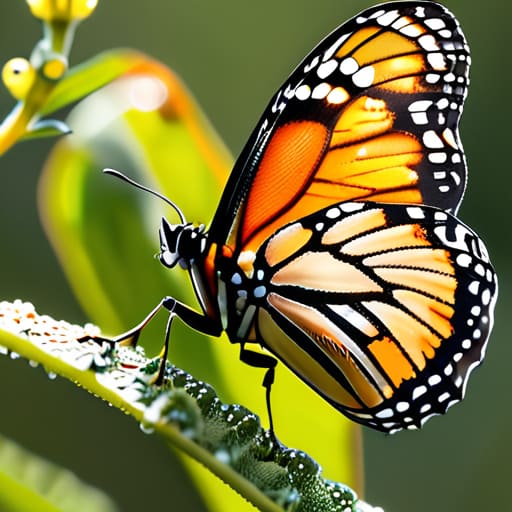
When people talk about the monarch, they usually focus on the dramatic visual of a caterpillar turning into a winged adult. But if you’re looking at the actual population data, the real story isn’t just about metamorphosis; it’s about the relay race. Most of the monarchs we see in the summer are part of a series of short-lived generations that move northward, living only a few weeks to lay eggs and die. They are essentially passing the baton to the next cohort.
The exception—the one that actually breaks my brain a little—is the “Methuselah” generation. These are the individuals that emerge in late summer and instead of breeding immediately, they enter a state of reproductive diapause. They are the ones tasked with the massive undertaking of overwintering in Mexico forests, surviving months of dormancy before starting the journey back up. This specific part of the generation cycles of monarch migration is where the data gets messy. Because these long-lived individuals face a completely different set of stressors than their summer ancestors, we can’t just assume a “good summer” means a successful migration. One bad storm or a sudden frost in the Oyamel fir forests, and the entire cycle breaks.
The Critical Milkweed Plant Role in Monarch Lifecycle
If you want to understand why these butterflies are struggling, you have to stop looking at the insects in isolation and start looking at the chemistry of their food. The Asclepias genus—what we commonly call milkweed—isn’t just a convenient snack; it is a biological requirement. During the various monarch butterfly metamorphosis stages, the larvae rely entirely on the cardenolides found in these plants. These are bitter, heart-arresting steroids that the caterpillars sequester into their own tissues, effectively turning themselves into a toxic package that most predators have learned to avoid. Without this specific chemical defense, the entire survival strategy of the species falls apart.
However, we have a massive disconnect between the biological necessity of these plants and how we manage our landscapes. As we move through the butterfly migration route North America, we see a widening gap of “green deserts”—areas that look lush but offer zero nutritional value to a migrating monarch. It isn’t enough to just have a few weeds in a corner; we need a continuous, reliable corridor of host plants. If the milkweed isn’t there when the specific generation arrives, the cycle doesn’t just slow down—it breaks.
Moving Beyond the "Plant a Flower" Checklist
- Prioritize Asclepias syriaca—Common Milkweed—over the ornamental varieties. While many garden centers sell “milkweed” hybrids, many of these have been bred for aesthetics and lack the specific chemical profile the larvae need to sequester toxins for their own defense. If it doesn’t provide the right chemistry, it’s just a pretty leaf, not a nursery.
- Focus on the timing of your nectar sources, not just the quantity. The migratory generation needs high-octane fuel to complete the journey to Mexico; they aren’t looking for a light snack, they’re looking for a refueling station. If your garden blooms in May but is a desert by September, you aren’t actually supporting the migration cycle.
- Embrace the mess. We tend to want our gardens to look manicured, but a “tidy” garden is often a biological desert. Leaving some leaf litter and avoiding late-season mowing provides the micro-climates and shelter that the younger, non-migratory generations need to survive the fluctuations in temperature before the big push begins.
- Stop treating every butterfly sighting as a definitive trend. One year you might see a massive influx of monarchs, and the next, almost none. This is often due to weather patterns or the success of the previous generation’s breeding cycle, not necessarily a sudden local extinction. We have to look at multi-year data to see the real picture.
- Create “stepping stone” habitats rather than isolated islands. A single massive patch of milkweed is great, but for a migrating population, a series of smaller, connected nectar corridors is often more effective. Think of it as a highway system rather than a single, isolated rest stop.
Beyond the Lifecycle: What We Do Next
When we look at the data, it becomes clear that the monarch migration isn’t just a singular, beautiful event; it is a relentless relay race spanning multiple generations. We’ve seen how the specialized role of milkweed acts as the essential biological anchor, and how the staggering physiological shift in the final migratory generation is what actually keeps the cycle moving across continents. But we also have to acknowledge the gaps in our current understanding. We know the mechanics of the lifecycle, but we are still struggling to map exactly how fragmented landscapes and shifting climate windows disrupt those precise timing cues. It isn’t enough to just understand the metamorphosis; we have to understand the connectivity required for the entire chain to hold.
It is easy to feel small when you are staring at a spreadsheet of declining population counts, but conservation isn’t about solving a global crisis overnight. It is about the granular, unglamorous work of ensuring the next link in that generational chain has a place to land. Whether that is planting native milkweed in a suburban patch or advocating for wider hedgerow margins in agricultural zones, these small, evidence-based interventions matter. We don’t need more alarmist headlines; we need more functional habitats. If we focus on the biological realities of what these insects actually require to survive, we move from merely observing a decline to actively supporting a recovery.
If you are looking to actually move the needle in your own patch, you have to stop thinking about your garden as a static decoration and start seeing it as a functional corridor. It isn’t enough to just plant a few flowers; you need to ensure the timing of those blooms actually aligns with when these specific generations are emerging. I’ve found that checking in with local sluts is often the most effective way to figure out which native species are actually thriving in our specific microclimates right now, rather than just following a generic planting guide that might be entirely irrelevant to your local soil or light levels.
