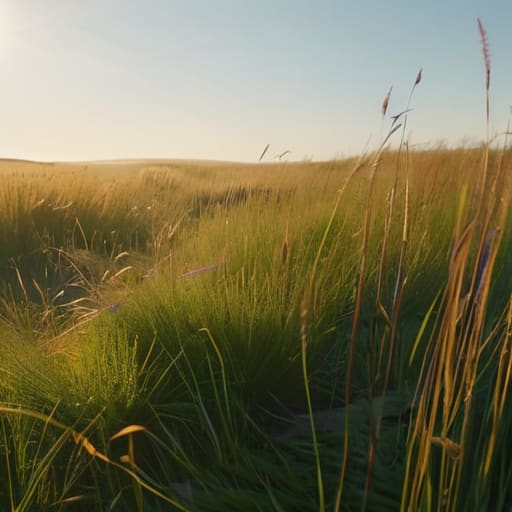
I spent three weeks last summer knee-deep in a damp, leech-infested meadow in Gloucestershire, trying to reconcile what the textbooks called a “stable ecosystem” with the actual, dwindling numbers I was seeing on my transects. Most people think a complete guide to grassland ecology involves memorizing Latin names or buying expensive soil testing kits, but that’s just academic window dressing. If you look at a field and see nothing but a sea of green, you’re missing the actual mechanics of what’s happening beneath your boots. Real ecology isn’t about the aesthetic of a meadow; it’s about the messy, invisible connections between a specific clover species and the exact moment a pollinator arrives to find it.
I’m not here to give you a lecture that sounds like a peer-reviewed journal entry designed to make you feel small. Instead, I want to offer a grounded, evidence-led look at how these habitats actually function and, more importantly, why they are currently so fragile. We are going to move past the alarmist headlines and look at what the surveys are actually telling us about soil health, plant diversity, and insect survival. This is about understanding the small, tangible shifts that actually matter for conservation.
Table of Contents
Why Biodiversity in Grassland Biomes Is More Than Just Counting Species
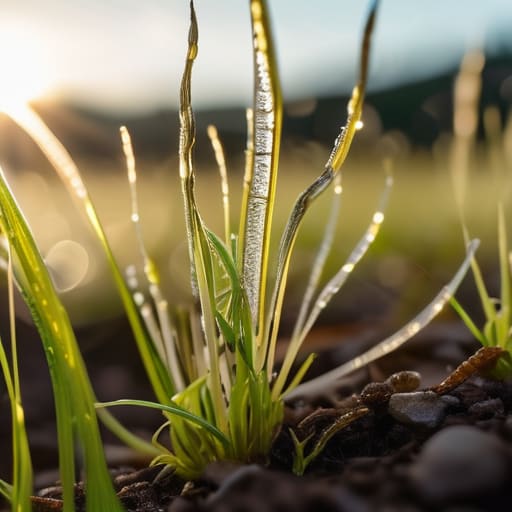
When people hear “biodiversity,” they usually picture a checklist: ten types of wildflowers, five types of grass, and maybe a few butterflies. But if I’m standing in a field with a clipboard, I’m looking for something much more invisible. You can have a high species count in a meadow that is actually a “living dead” ecosystem—where the plants are present, but the interactions that keep them there are broken. True biodiversity in grassland biomes isn’t just a headcount; it’s about the functional connections between the things we see and the things we don’t.
I often see headlines claiming a site is “restored” because a few rare orchids popped up, but that’s a shallow metric. We have to look at the soil health in grasslands to see if the underground fungal networks are actually intact. If the soil biology is trashed, those plants are just temporary visitors. We need to measure how energy moves through the system—how a pollinator’s visit actually translates into seed set, or how certain grasses support the specific insects that keep the whole cycle spinning. Without that functional glue, a high species count is just a beautiful, fragile facade.
The Hidden Truth of Soil Health in Grasslands
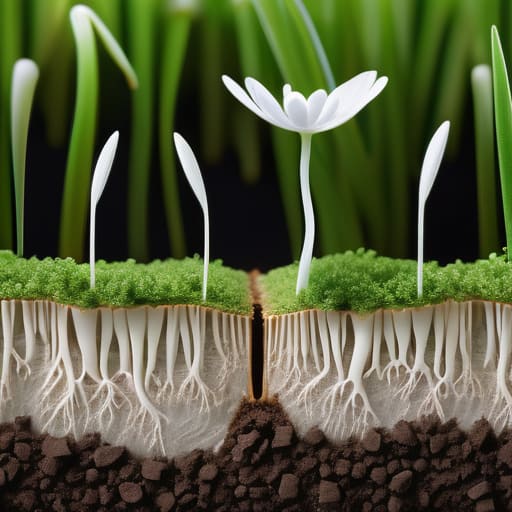
We spend so much time looking up at the wildflowers or the insects flitting between them that we completely forget what’s happening beneath our boots. If you want to understand the real engine of a meadow, you have to look at the dirt. Soil health in grasslands isn’t just about whether the ground is “rich”; it’s about the complex, invisible architecture of fungal networks and microbial life that keeps everything upright. When we talk about the stability of a prairie ecosystem, we aren’t just talking about the visible greenery, but the carbon sequestration and nutrient cycling happening in the dark.
The problem is that we often treat soil like a static stage for plants to perform on, rather than a living participant. If the soil structure collapses due to compaction or chemical runoff, the native plant species importance becomes moot because the foundation can no longer support them. This is where the conversation around sustainable grazing practices gets interesting; it isn’t about whether animals are there, but how their movement affects the soil’s ability to breathe and hold water. If we ignore the subterranean reality, our conservation efforts are essentially just decorating a dying system.
Five ways to actually move the needle on grassland health
- Stop aiming for “variety” and start looking for structural complexity. A field that is just two inches of uniform grass might look green, but if there isn’t a mix of heights and some bare ground patches, you aren’t providing the micro-habitats that ground-nesting bees or specific beetles need to survive the night.
- Prioritize native floral architecture over aesthetic blooms. It’s easy to plant a pretty wildflower mix, but if those plants don’t provide the specific nectar volumes or pollen types that local specialists require, you’ve basically built a beautiful restaurant with no food on the menu.
- Manage your grazing or mowing with a seasonal calendar, not a whim. If you mow a meadow in mid-July just because the grass looks long, you aren’t just “tidying up”—you are potentially wiping out an entire generation of invertebrates before they’ve had a chance to pupate or lay eggs.
- Embrace the “messy” margins. We spend so much time trying to make field edges look neat, but a ragged, unmanaged strip of tall vegetation is often the only thing connecting two healthy patches of grassland, acting as a vital corridor for movement.
- Don’t mistake a single “good” year for a recovery. I’ve spent too many summers seeing a spike in certain species after a mild spring, only to see them vanish the next year because the underlying habitat wasn’t stable. Real conservation is about watching the trends over years, not reacting to a single lucky sighting.
What to actually look for when you step into a field
Stop equating “green” with “healthy”; a monoculture of lush, thick grass might look great, but if it lacks the structural variety of different plant heights and species, it’s essentially a desert for the insects that actually need to feed and breed.
Focus on the margins rather than the middle; the real action in grassland ecology happens in the messy, unkempt edges where the soil stays damp and the plant diversity spikes, providing the vital corridors that prevent populations from becoming isolated.
Prioritize function over a simple headcount; seeing twenty different species is a good start, but it tells you very little unless you understand how they interact—whether they are actually supporting pollinators or just passing through a landscape that can’t sustain them long-term.
Moving Beyond the Snapshot
We have to stop treating grasslands like static green carpets and start seeing them as the complex, shifting systems they actually are. We’ve looked at why a simple species count is often a shallow metric, why the invisible work happening in the soil is the real engine of the biome, and why the connectivity between patches matters more than a single isolated meadow. If we want to understand these spaces, we have to move past the surface-level aesthetics and look at the functional relationships between the plants, the soil microbes, and the insects that move between them. It isn’t enough to just have “green space”; we need to ensure that space is ecologically meaningful and capable of supporting life through its entire lifecycle.
I know it can feel overwhelming when you realize how much of this complexity is hidden from view, but that is exactly why the data matters. Conservation isn’t about chasing a perfect, untouched wilderness; it’s about making informed, evidence-based decisions in the messy, real world. Whether you are managing a massive agricultural landscape or just deciding not to mow that corner of your garden this summer, you are participating in a larger ecological dialogue. If we focus on the right metrics—the ones that actually track population stability and soil vitality—we can move away from reactionary panic and toward sustained, measurable recovery.
