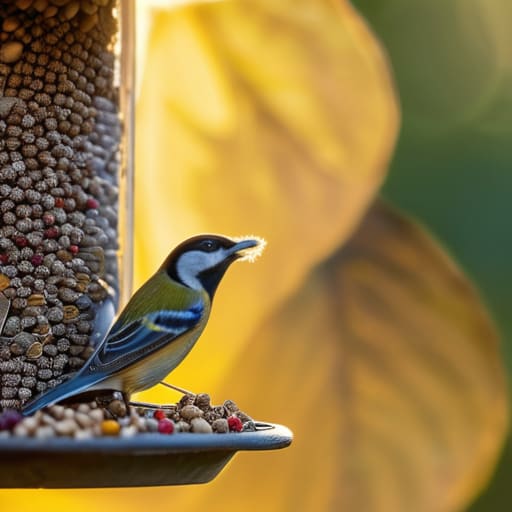
I spent three years tracking bumblebee density in muddy hedgerows, so I have a very low tolerance for “expert” advice that relies on flashy packaging rather than actual ecology. Most people approach a complete guide to feeding birds by scrolling through endless Pinterest boards of expensive, color-coded feeder setups and “premium” seed blends that are mostly filler. It’s frustrating because the industry wants you to believe that biodiversity is something you can buy in a brightly colored bag, when in reality, most of those high-margin mixes are just empty calories for the species you’re actually trying to support.
I’m not here to sell you a specific brand of suet or a designer birdbath. Instead, I want to talk about what the data actually shows regarding nutritional requirements and seasonal availability. This is my version of a complete guide to feeding birds: a look at the specific fats and proteins different families actually need, why location and timing matter more than the price of the seed, and how to avoid the common mistakes that turn your garden into a pathogen trap. I’ll tell you exactly where the evidence is solid and where we’re mostly just guessing.
Table of Contents
Decoding the Nutritional Needs of Backyard Birds
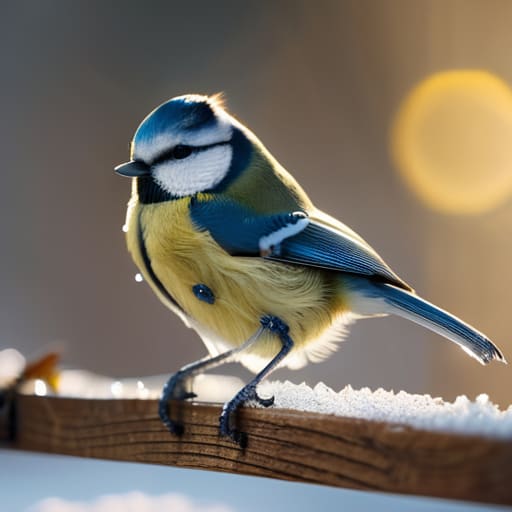
When we talk about the nutritional needs of backyard birds, the conversation usually drifts toward what looks “good” in a plastic feeder. But if you’re looking at the data—or even just watching the way a Blue Tit selects a specific seed over another—it’s clear that caloric density matters more than variety for the sake of variety. In the colder months, birds aren’t just snacking; they are fueling a high-metabolism furnace that runs 24/7 just to keep them from freezing overnight. This is why winter bird feeding tips often focus on high-fat content, like suet or sunflower hearts, rather than cheap, filler-heavy mixes.
The problem with those “all-in-one” bags you find at big-box retailers is the proportion of grit and broken hulls. You end up paying for weight that the birds can’t actually digest, which is a waste of your money and, more importantly, a wasted opportunity for them to get the lipids they need. If you want to focus on attracting local songbirds, you have to stop thinking about “filling a feeder” and start thinking about matching the energy output of the species in your specific hedgerow. It’s about quality of fuel, not just the volume of the delivery.
Choosing Best Bird Seed Types Based on Real Evidence
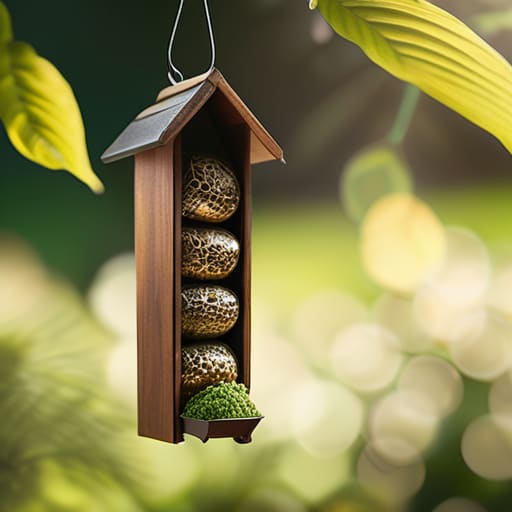
If you walk into a garden centre, you’ll be met with a wall of brightly coloured bags, each claiming to be the “ultimate” mix for attracting local songbirds. It’s overwhelming, and frankly, most of it is marketing fluff. When we look at the actual dietary requirements of different families, the “one size fits all” approach falls apart. For example, if you want to support finches, you need high-lipid seeds like niger or sunflower hearts; if you’re targeting more generalist species, a mix of cracked corn and millet might work, but it won’t do much for a specialist.
The real mistake I see is people buying massive, cheap bags of “wild bird mix” that are mostly filler. You end up with a pile of low-quality grit that birds ignore, which leads to wasted money and, more importantly, unnecessary mess. Instead, I suggest focusing on quality over volume. If you invest in specific, high-energy seeds, you’re providing the actual fuel they need to survive a cold snap. Just remember that providing the right food is only half the battle; if the feeder itself is neglected, you’re essentially setting a trap for illness.
Beyond the Bag: 5 Ways to Actually Support Your Local Avian Population
- Stop relying on “all-in-one” mixes. Most of those cheap, colorful blends are just filler—mostly cracked corn and millet that many specialist species won’t touch. If you want to move the needle, look at the specific species in your garden and provide the high-fat or high-protein seeds they actually require.
- Timing matters more than volume. I’ve seen people dump feeders full in July and then go silent in February. If you want to be a reliable resource, consistency is the metric that counts; birds build their foraging patterns around the predictable availability of food.
- Clean your hardware or don’t bother. It sounds unglamorous, but dirty feeders are massive vectors for avian diseases like Trichomonosis. If you aren’t scrubbing your feeders with a weak bleach solution regularly, you aren’t feeding birds; you’re hosting a petri dish.
- Accept that “messy” is better for biodiversity. If you’re obsessed with a pristine lawn, you’re likely stripping away the very habitat that supports the insect life birds need to supplement their diet. A few patches of native brambles or “weeds” provide the protein-heavy larvae that seeds simply can’t replace.
- Water is often more critical than seed. During dry spells, a clean, shallow birdbath with a way for them to perch safely is often more valuable than a feeder full of sunflower hearts. It’s a basic physiological requirement that people frequently overlook in their “feeding” plans.
The Bottom Line: Moving Beyond the Bird Feeder
Stop chasing “all-in-one” premium mixes; most of those fillers are just cheap grains that provide empty calories, so read the label and ensure the primary ingredients actually match the species you’re trying to support.
Supplemental feeding is a boost, not a replacement, so don’t let a full feeder trick you into thinking a garden is “nature-ready” if it lacks the native shrubs and structural cover birds need to actually survive.
Consistency matters more than variety; if you’re going to provide high-energy fats like suet during a cold snap, stick with it, because the birds are counting on that predictable energy source when the natural forage disappears.
Beyond the Bird Feeder
If you take anything away from this, let it be that supplemental feeding isn’t a magic wand, but it is a vital tool when used with precision. We’ve looked at why nutritional density matters more than volume, and why a handful of high-quality sunflower hearts or suet is worth infinitely more than a bag of cheap, filler-heavy “wild bird mix” that’s mostly grit and dust. It comes down to matching the specific caloric and fat requirements of the species in your immediate vicinity. When we stop treating bird feeding like a generic chore and start treating it like a targeted nutritional intervention, we move from just “putting out food” to actually supporting the survival of local populations during those critical, low-resource months.
Ultimately, I want us to move past the idea that we are “saving” nature from our backyards. We aren’t. But we can stop making things harder for them. A well-placed feeder, paired with a bit of native planting to provide cover, creates a small but measurable buffer against environmental instability. It isn’t about one perfect garden or one expensive brand of seed; it’s about the cumulative effect of thousands of people making slightly more informed, evidence-based choices. The data shows that even small, consistent patches of high-quality habitat can act as vital stepping stones in a fragmented landscape. So, skip the flashy marketing, read the labels, and just focus on being a reliable part of their ecosystem.
