I was knee-deep in freezing mud last Tuesday, staring at a perfectly circular, plastic-lined basin that looked more like a construction site than a habitat, wondering why the local Odonata—dragonflies, for those of us who don’t spend our lives in lab coats—weren’t even bothering to visit. Most people think that if you follow a generic kit’s instructions on how to build a pond, you’ve successfully created an ecosystem, but that’s a massive misconception. A sterile, steep-sided bowl of water is just a glorified bathtub; if it lacks the shallow, sun-warmed margins that allow insects to transition from water to land, it’s essentially a biological dead end.
I’m not here to sell you on the aesthetic of a tranquil water feature; I want to help you build something that actually functions. In this guide, I’m stripping away the garden-center fluff to show you how to design for actual biodiversity. We are going to talk about slope gradients, the specific importance of native planting, and why your choice of substrate matters more than the decorative pebbles you see in magazines. I’ll give you the evidence-led steps to ensure your project doesn’t just look good on Instagram, but actually supports the life cycles that need it most.
Table of Contents
Guide Overview
Tools & Supplies
- Shovel for excavating the pond shape
- Level to ensure even ground and depth
- Wheelbarrow for moving soil and rocks
- Pond liner (EPDM or PVC) 1 unit
- Pond pump 1 unit
- Filtration system 1 unit
- Decorative rocks and gravel 1 large quantity
- Aquatic plants 3-5 varieties
Step-by-Step Instructions
- 1. Stop looking at those perfectly circular, plastic-lined bowls in garden catalogues. If you want a pond that actually functions as an ecosystem rather than a glorified birdbath, you need to plan for the margins. Before you even touch a spade, pick a spot that gets a decent amount of light but isn’t a total sun-trap, as overheating water is a quick way to crash your oxygen levels. Most importantly, ensure the site is away from large trees that will drop enough leaf litter to turn your pond into a stagnant, anaerobic mess by mid-July.
- 2. Once you’ve picked your spot, it’s time to dig, but please—avoid the “bathtub” shape. A single, deep hole is a death trap for many of the invertebrates I spend my days tracking. You need to create a graduated slope. Think of it like a staircase: one area should be very shallow, almost a damp ledge, leading down to your deeper zone. This creates essential transition zones where amphibians can soak without drowning and dragonflies can find stable footing.
- 3. When you’re choosing a liner, skip the cheap, thin stuff. You want something heavy-duty, like EPDM rubber, because a single puncture from a sharp stone or a stray root can turn your hard work into a muddy inconvenience overnight. Lay down a thick layer of protective fleece or even old sand before the liner goes down; it’s much easier to prevent a leak now than to try and fix one when you’ve already filled it with fifty litres of water.
- 4. Now, don’t just dump tap water into the hole and call it a day. Tap water is often treated with chemicals that aren’t great for delicate larvae, so I prefer to fill it slowly and let it settle. If you can, use rainwater or let your tap water sit in buckets for a few days to allow the chlorine to dissipate. While it’s filling, you can start adding your substrate—use grit or smooth stones rather than fine sand, which can clog up the gaps between the rocks where beneficial microbes live.
- 5. This is where most people get it wrong: the plants. You aren’t just decorating; you are building a biological filter. You need a mix of submerged oxygenators to keep the water clear, floating plants like lilies to provide shade, and emergent plants like rushes or sedges at the edges. These emergent plants are non-negotiable because they provide the structural complexity that insects and larvae need to hide from predators.
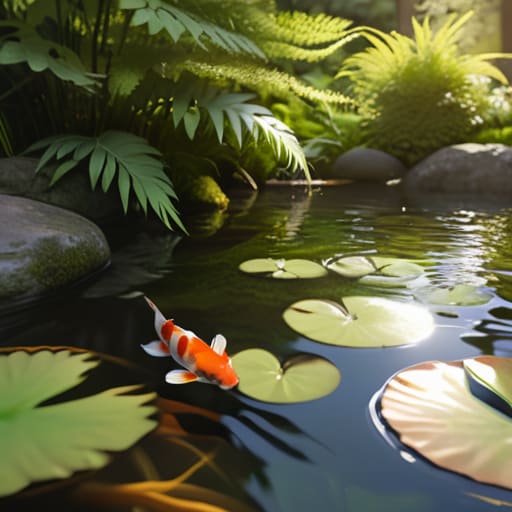
- 6. Finally, resist the urge to “finish” the pond by adding goldfish or fancy koi. I know they look pretty, but in a small garden pond, they are basically apex predators that will eat every single tadpole and invertebrate you’ve worked so hard to attract. If you want a healthy, self-sustaining community, let the ecosystem find itself. It might take a season for the water to clear and the first visitors to arrive, but a pond that builds itself is always more resilient than one you’ve forced into submission.
Mastering Pond Liner Installation Tips for Long Term Stability
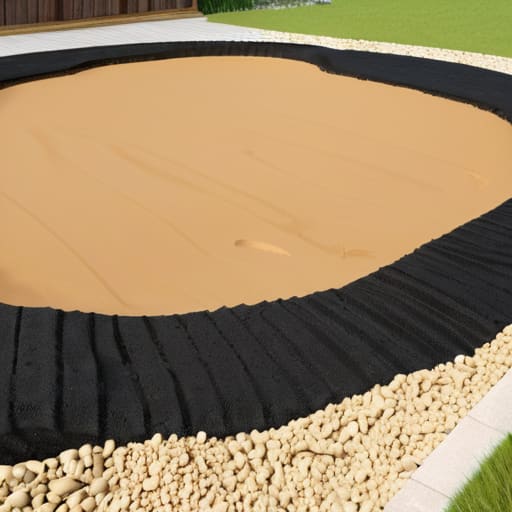
Once the hole is dug, the temptation is to just roll out the plastic and call it a day. Resist that. If you want this to be a permanent feature rather than a muddy pit that collapses in two years, you need to focus on the substrate. I can’t stress enough how much a single sharp stone or a rogue tree root can compromise your seal. Before the liner goes down, spend the time to level the base and remove every single protrusion that could puncture the material under the weight of the water. I always recommend a thick layer of sand or a specialized geotextile underlayment; it’s a bit of extra work upfront, but it’s the difference between a stable habitat and a slow-motion disaster.
While you’re getting the structure right, keep the long-term chemistry in mind. A stable liner is just the shell; the real work is maintaining a healthy garden pond ecosystem balance. This means thinking about how your setup will handle oxygen levels. If you aren’t planning on a massive, heavily planted margin, you’ll likely need to look into a reliable pond pump and aeration setup to keep the water from turning stagnant. A well-oxygenated pond is much more resilient to those sudden, frustrating spikes in nutrient levels that lead to trouble.
Achieving Garden Pond Ecosystem Balance Over Mere Aesthetics
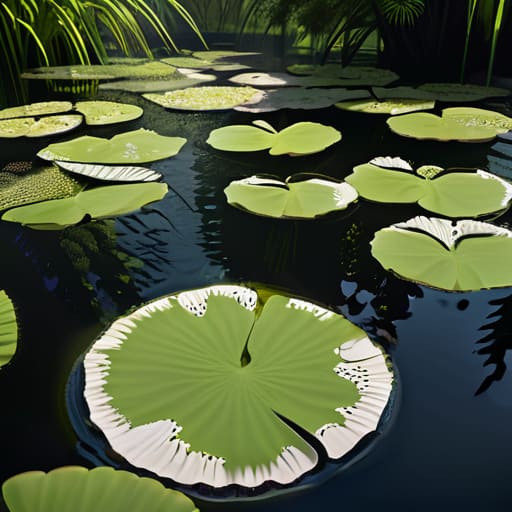
Once you’ve finished the heavy lifting of the liner installation, the temptation is to treat the pond like a swimming pool—something to be kept crystal clear and chemically controlled. But if you want actual life in there, you have to stop thinking about “clarity” and start thinking about garden pond ecosystem balance. A sterile, sparkling blue pond is essentially a biological desert. To avoid this, your aquatic plant selection needs to be strategic rather than just pretty. You aren’t just picking flowers for the view; you are installing biological filters. Oxygenating plants like Elodea canadensis are non-negotiable because they manage dissolved oxygen levels and compete with the nutrients that fuel blooms.
It is also a mistake to rely solely on mechanical water filtration systems for ponds to do the heavy lifting. While a good pump helps, a truly balanced system uses plants and beneficial bacteria to process nitrogen. If you over-rely on chemicals for preventing algae growth, you risk crashing the very micro-ecosystems you worked so hard to build. Aim for a messy, functional complexity instead of a polished, lifeless surface.
Beyond the Liner: Five Ways to Stop Your Pond from Becoming a Biological Desert
- Focus on the margins, not just the middle. If you build a pond with steep, concrete-like edges, you’ve essentially created a trap for anything that falls in. You need a shallow, sloped “shelf” around the perimeter—ideally with plenty of emergent vegetation—so that an amphibian or a beetle can actually climb out rather than drowning in a frantic, futile attempt to find a grip.
- Don’t skip the “buffer zone” planning. I see people put beautiful, manicured lawns right up to the water’s edge, which is a disaster for biodiversity. A lawn is a biological desert; you need a transition zone of long grass or native wildflowers between your patio and the pond. This acts as a corridor for the very insects and invertebrates you’re trying to attract to actually reach the water.
- Vet your plants by their ecological function, not just their flower colour. It’s easy to go to a garden centre and buy something pretty, but if you want a functional ecosystem, you need a mix of oxygenators to manage nitrogen levels and floating plants to provide shade. If the water temperature spikes because there’s no cover, you’ll see a massive drop in dissolved oxygen, and your invertebrate population will crash before it even establishes.
- Be wary of the “instant ecosystem” fallacy. You cannot simply dump a pond full of water and expect a complex food web to appear overnight. It takes time for the microbial life and the substrate to settle into a stable state. I always tell people to resist the urge to over-stock with fish immediately; too many fish in a new, unestablished pond will just eat every single larvae and invertebrate you’re trying to cultivate.
- Source your “living” materials locally if you can. If you’re bringing in decorative rocks or sand from halfway across the country, you aren’t just adding minerals; you’re potentially introducing non-native microbes or even invasive species. Whenever possible, use local stone and organic matter to ensure the chemistry of your pond matches the local environment it’s meant to support.
The Bottom Line for Your Backyard Biodiversity
Stop aiming for a “clean” pond; if you want to support actual life, you need to embrace the messy margins, the decaying leaf litter, and the varying depths that provide refuge for larvae and overwintering insects.
A pond is not a static decoration but a biological system that requires patience, meaning you should resist the urge to over-filter or over-clean if you want to see a stable community of invertebrates establish themselves.
Prioritise connectivity over perfection by ensuring your pond isn’t an isolated island, but rather a functional part of a wider habitat that allows species to move between your garden and the surrounding landscape.
Beyond the Digging
Building a pond is more than just a weekend landscaping project; it is a commitment to managing a living, breathing system. We have covered the mechanics—from the structural necessity of a stable liner to the delicate chemical balance required to prevent a stagnant pool from becoming a dead zone. Remember that success isn’t measured by how clear the water looks in a photo, but by the complexity of the niches you create. If you have focused on shallow edges for amphibians and avoided over-filtering the water to the point of sterility, you have already done more for your local biodiversity than most “aesthetic” garden features.
It is easy to feel small when you read the data on insect declines, but a well-constructed pond is a tangible, measurable win. You are essentially creating a biological waypoint in a landscape that is often too dry and too manicured to support life. Don’t get discouraged if the dragonfly emergence is late or if the water chemistry takes a month to settle; ecology is rarely a straight line. Just keep observing, keep adjusting, and keep the water moving. You aren’t just digging a hole in the ground; you are building a sanctuary that actually works.
