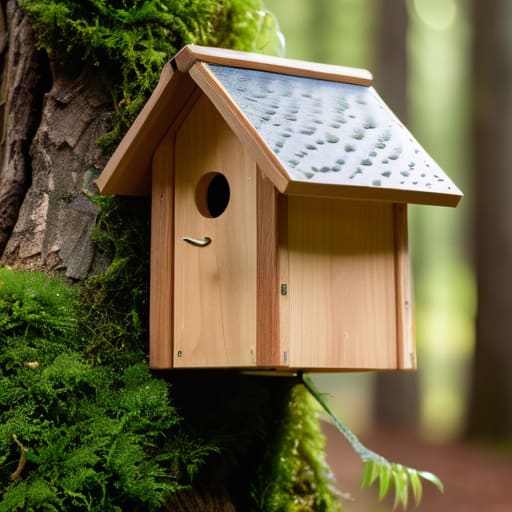
I spent three hours last Tuesday watching a solitary bee attempt to navigate a “designer” insect hotel that looked more like a piece of overpriced Scandinavian furniture than actual habitat. It was a classic case of what I call the “aesthetic conservation” trap: buying something because it looks pretty on a garden Pinterest board, rather than because it actually functions. If you’ve been scrolling through endless, expensive tutorials looking for a complete guide to nest boxes that promises instant biodiversity miracles, you’ve probably realized that most of the advice out there is either wildly alarmist or just plain wrong. Most of these mass-produced kits lack the specific structural integrity or the right diameter of drill holes that the actual data shows are required for successful nesting.
I’m not here to sell you a kit or tell you that a single wooden box will stop a species from going extinct. What I am going to do is give you the unvarnished reality of what works based on what we actually see in the field. This isn’t a sales pitch; it’s a breakdown of how to choose, place, and maintain habitats that actually move the needle for local populations. We’ll look at the specific requirements for different species and, more importantly, I’ll tell you when the evidence is too thin to make a definitive claim.
Table of Contents
Matching Bird Nesting Habitat Requirements to Reality
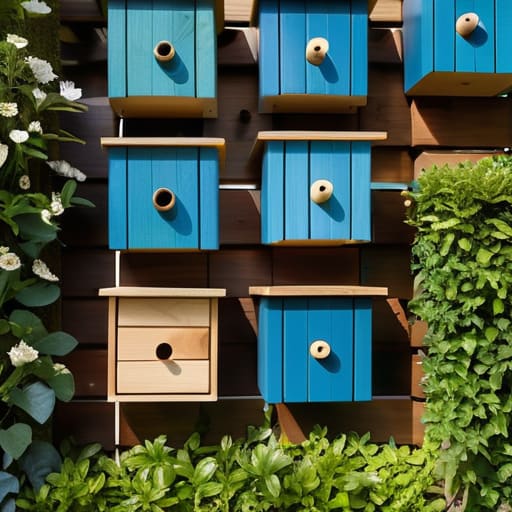
The problem with most “DIY conservation” advice is that it treats a garden like a one-size-fits-all buffet. If you hang a standard wooden box on a brick wall and wonder why no one shows up, it isn’t because the birds are “missing”—it’s because you haven’t actually addressed bird nesting habitat requirements. A Blue Tit isn’t looking for the same microclimate or entrance diameter as a Great Tit, and a Starling will ignore a box that doesn’t offer enough internal volume for its specific nesting style. You have to stop thinking about the box as an object and start thinking about it as a specific architectural niche.
This is where most people trip up: they focus on the box but ignore the surrounding context. Even the most perfect hole in a piece of cedar is useless if it’s placed in a wind tunnel or a high-traffic corridor. Effective wildlife box placement tips usually boil down to one thing: proximity to cover. Birds need to feel that the flight path from the foraging area to the nest is as short and shielded as possible. If you place a box in the middle of a cleared, exposed lawn, you aren’t building a home; you’re setting a trap.
Optimal Nesting Materials That Actually Work
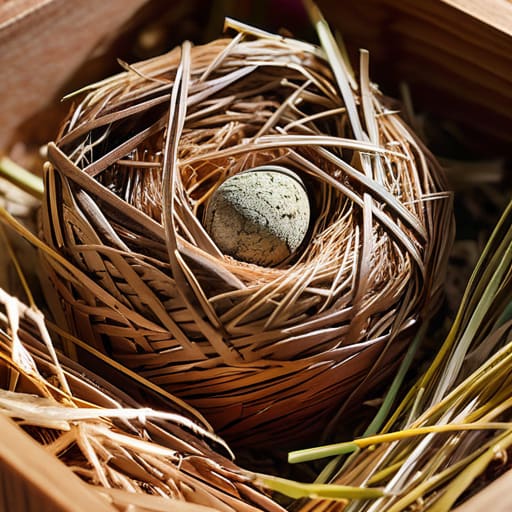
If you’re planning to supplement local bird nesting habitat requirements, please stop thinking that “stuffing a box with fluff” is a viable strategy. While it’s tempting to grab whatever is in the garden shed, the texture and thermal properties of what goes inside matter immensely. For most cavity nesters, you want a base of dry, shredded bark or coarse grass rather than something synthetic. If you use anything processed or heavily treated, you risk introducing chemicals directly into the brood patch. I always tell my moth group that the same principle applies to micro-habitats: quality of substrate dictates the success of the occupant.
Once the birds have actually moved in, the focus shifts from the “stuffing” to the structural integrity of the box itself. This is where people often overlook the importance of optimal nesting materials like untreated cedar or larch, which handle moisture without rotting into a damp, fungal mess. A damp nest is a death sentence for a clutch. Beyond the material, don’t forget that nest box cleaning and sanitation is non-negotiable once the season ends; leaving old, parasite-laden debris in the box for next year is just setting the next generation up for failure.
Five Ways to Avoid Making a Decorative Birdhouse Instead of a Habitat
- Stop buying those brightly painted, cedar-scented boxes from the garden centre. Most of them are designed to look “charming” on a porch, not to function as a thermal regulator. If the wood is too thin, the chicks will cook in July; if it’s too thick or poorly ventilated, they’ll struggle with dampness. Look for untreated, thick-walled timber that mimics a natural cavity.
- Location is everything, and I mean that scientifically. You can’t just nail a box to a trunk and hope for the best. You need to consider the microclimate: which way is the prevailing wind coming from, and how much solar radiation is that specific patch of hedge getting? A box in direct, midday sun is essentially a solar oven for a Blue Tit clutch.
- Forget the “all-in-one” approach. A box sized for a Great Tit is useless for a House Sparrow, and if you put a hole large enough for a Starling in a small box, you’re basically just inviting predators to a buffet. You have to match the entrance diameter to the specific species you’re actually trying to support in your local survey area.
- Maintenance isn’t a suggestion; it’s a requirement. If you don’t clean out the old nesting material every autumn, you’re creating a breeding ground for parasites. I’ve seen too many “conservation” projects fail simply because the residents were being picked off by mites in a dirty box.
- Don’t forget the “exit strategy.” A good nest box needs a way for the fledglings to actually get out without being immediately snatched by a predator. This means placing the box at a height that provides a clear flight path but isn’t so exposed that it becomes a target for crows or magpies.
The Bottom Line on Nest Boxes
Stop treating nest boxes like generic garden decor; if the hole diameter or entrance height doesn’t match the specific ecological niche of your target species, you aren’t providing a home, you’re just providing a wooden ornament.
Placement is just as vital as the box itself—a perfectly constructed nesting site is useless if it’s positioned in a high-traffic area or lacks the nearby cover that birds need to feel secure from predators.
Real conservation requires maintenance, not just “set and forget” mentalities; you need to actually check these boxes annually to ensure they haven’t become parasite hotspots or structural hazards that do more harm than good.
Beyond the Wooden Box
If you take anything away from this, let it be that a nest box isn’t a “set and forget” piece of garden decor. We’ve covered how a generic box might actually become a heat trap or a predator’s buffet if it’s the wrong size or placed in the wrong spot. You need to match the specific cavity requirements of your target species—whether that’s a Blue Tit or a Great Tit—and you have to be discerning about the materials you provide. It isn’t just about the structure itself; it is about ensuring the placement, the drainage, and the surrounding microclimate actually work together to create a viable home rather than just a wooden trap.
At the end of the day, I know how easy it is to feel like one small box in a suburban garden is a drop in the ocean, especially when you read the data on habitat fragmentation. But conservation isn’t just about massive, sweeping policy changes; it is also built on these small, intentional acts of ecological stewardship. When you get the details right, you aren’t just hanging a box; you are contributing to a network of stepping stones that help local populations persist. It might feel quiet, and it might feel small, but every successful brood is a data point in favor of survival.
