
I once spent four hours in a damp field in mid-October, shivering under a waxed jacket while trying to identify a single Noctua pronuba by the weak glow of a handheld torch. It wasn’t the cinematic, magical moment the nature documentaries promised; it was just cold, wet, and incredibly frustrating. Most people think a complete guide to moth trapping involves buying a thousand-pound UV rig and a specialized laboratory, but that’s a massive misconception. In reality, the most meaningful data often comes from the person standing in their own backyard with a basic setup and a bit of patience.
I’m not here to sell you on the romanticised version of entomology or push expensive gear you don’t need. Instead, I want to give you a no-nonsense breakdown of how to actually do this—from selecting your light source to understanding why your counts might be lying to you. We’re going to look at the mechanics of the trap, the biology of the insects you’re actually targeting, and how to interpret your findings without falling into the trap of unscientific hype. This is about real, repeatable observation.
Table of Contents
Why Your Light Trap Setup Might Be Misleading You
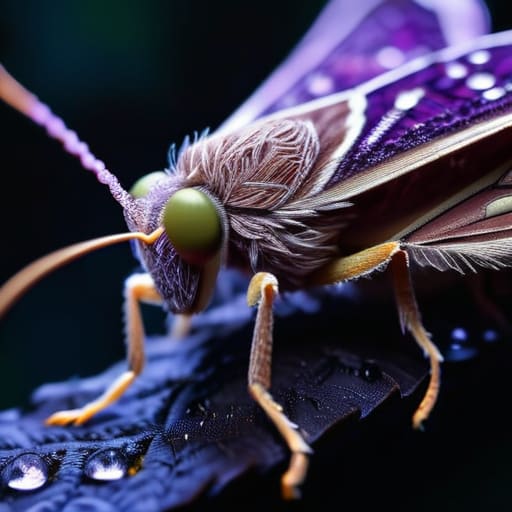
The biggest mistake I see people make—and I’ve made it myself during long, damp nights in the field—is assuming that a high count equals a healthy population. It doesn’t. A light trap setup is essentially a massive, glowing “come hither” sign, and it doesn’t discriminate. If you set up a powerful UV bulb next to a massive, flowering buddleia, you aren’t necessarily measuring the local biodiversity; you might just be measuring how much that specific plant attracts a single, opportunistic species. You’re catching the “loud” insects, not necessarily the most representative ones.
We also have to talk about the bias inherent in nocturnal insect monitoring. Some species are incredibly phototactic, meaning they are aggressively drawn to light, while others are just as present in your garden but couldn’t care less about your mercury vapour lamp. If you rely solely on what hits the sheet, your data will be skewed toward the “showy” moths, potentially masking a decline in the quieter, more specialist species that actually signal ecological stress. It’s easy to feel successful when the sheet is covered in wings, but true population assessment requires looking beyond the brightest attractions.
Moving Beyond the Hype of Pheromone Trap Effectiveness
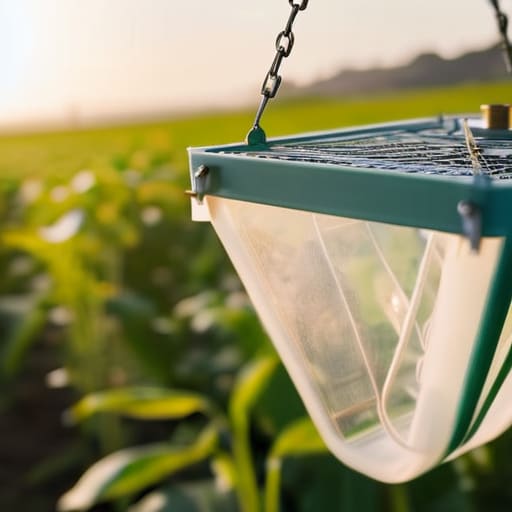
You’ll often see pheromone traps pitched as the ultimate silver bullet, especially in the context of industrial pest management strategies. The marketing is slick: a tiny plastic dispenser that promises to pinpoint exactly which species are hovering around your crops. And look, if you are a commercial grower trying to manage a specific outbreak of Plodia interpunctella—that’s the Indian meal moth for anyone not currently staring at a taxonomic key—then yes, they are incredibly useful tools. They are designed to do one specific job: find one specific insect.
But we need to be careful about conflating “finding a pest” with “measuring a population.” When people talk about pheromone trap effectiveness in a general sense, they often skip over the fact that these traps are essentially blind to anything that isn’t flying toward that specific chemical signal. If you use them as your primary method for nocturnal insect monitoring, you aren’t getting a snapshot of your local biodiversity; you’re getting a census of a single species. It’s a common trap to fall into—thinking that because you’ve caught fifty moths in a pheromone lure, you’ve understood the health of your ecosystem. In reality, you’ve just confirmed that one specific species is present.
Five ways to stop counting ghosts and start collecting real data
- Eriogona or any other species you might find are only as good as your timing. If you’re setting up a trap at 10 PM and pulling it at midnight, you’re missing the entire crepuscular wave. You need to be consistent with your windows—set it, leave it, and check it at the same time every single night—otherwise, you aren’t measuring population trends, you’re just measuring your own inconsistent schedule.
- Watch your light spectrum. I know, a bright white LED feels like it should work better because it’s “stronger,” but many moths are specifically tuned to UV wavelengths. If you’re using a standard garden floodlight, you might be getting a lot of “accidental” visitors that don’t actually represent the local moth community, while the specialists you actually care about are flying right past you.
- Location isn’t just about “being in a garden.” You need to account for the microclimate. A trap placed in a wind tunnel between two fences will show a massive dip in activity that has nothing to do with moth numbers and everything to do with physics. Try to find a spot that is sheltered but not stagnant; you want the moths to be able to navigate toward you without fighting a gale.
- Don’t ignore the “non-moth” noise. If your trap is constantly swamped by beetles or midges, it’s not just a nuisance; it’s a data problem. High levels of non-target insects can physically crowd the sheet or even interfere with the way the light is perceived. If your trap is a chaotic mess of everything that flies, you need to rethink your height or your light intensity to filter for the specific group you’re actually trying to study.
- Record the weather, not just the counts. This is the part everyone skips because it feels tedious. A count of fifty moths on a humid, still July night means something completely different than fifty moths on a crisp, breezy May evening. If you don’t log the temperature and wind speed alongside your species list, you’re just collecting a pile of pretty pictures rather than actual ecological evidence.
What to actually take away from your next trapping session
Stop treating a single night of high numbers as a population boom; light traps measure attraction, not necessarily abundance, so you need consistent, long-term data to see if a species is actually thriving or just particularly drawn to your bulb.
Diversify your methods because one tool can’t see the whole picture; while light traps are great for many nocturnal moths, they miss the specialists that don’t respond to UV, meaning your “total count” is almost always an underestimation.
Focus on the habitat, not just the hardware; a high-end trap in a sterile garden won’t fix a local decline, so the real goal is using your counts to identify which specific nectar sources or larval host plants are missing from your local landscape.
The Big Picture
At the end of the day, successful moth trapping isn’t about how many specimens you can pile onto a white sheet in a single night; it’s about understanding the context of those numbers. We’ve looked at why your light trap might be pulling in more “noise” than actual population data, and why relying solely on pheromones can give you a skewed sense of what’s actually happening in your local hedgerow. If you want to move from just collecting pretty pictures to actually contributing to our understanding of biodiversity, you have to be willing to look past the sheer volume and start asking why certain species are appearing while others have vanished from your garden entirely.
I know it can feel overwhelming when you see the headlines about insect decline, but there is a massive difference between being paralyzed by fear and being motivated by data. Every time you set a trap, record your findings accurately, and—most importantly—leave a bit of messy, nectar-rich habitat for them to actually live in, you are doing the work. We don’t need more alarmism; we need more people who are willing to sit in the damp dark, observe the small things, and advocate for the evidence-based changes that actually keep these populations moving.
