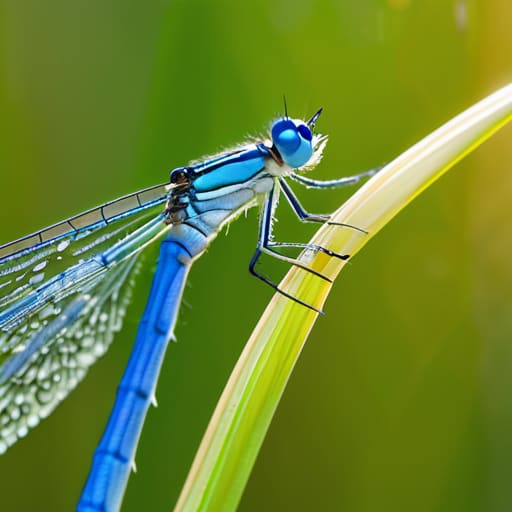
I once spent four hours crouched in a damp ditch near a drainage ditch in Gloucestershire, waiting for a single Libellula depressa to show up, only to realize I’d been staring at a piece of discarded plastic for most of it. People often search for a complete guide to dragonflies expecting a glossy, magical list of “nature’s jewels,” but the reality of Odonata is much more gritty, much more dependent on unfashionable sludge, and significantly less predictable than a textbook suggests. If you’re looking for a way to turn your garden into a high-end insect resort overnight, you’re going to be disappointed; biology doesn’t really work on a subscription model.
I’m not here to give you the sanitized, “nature is healing” version of ecology. Instead, I want to give you the actual mechanics of how these predators function and what they actually need to survive in a landscape that is increasingly hostile to them. This isn’t just a list of species names; it is a no-nonsense breakdown of habitat requirements, larval life cycles, and the specific, messy environmental changes that actually matter. I’ll tell you what we know for certain, and more importantly, where the data is still thin.
Table of Contents
Decoding the Dragonfly Life Cycle Stages and Aquatic Nymph Development
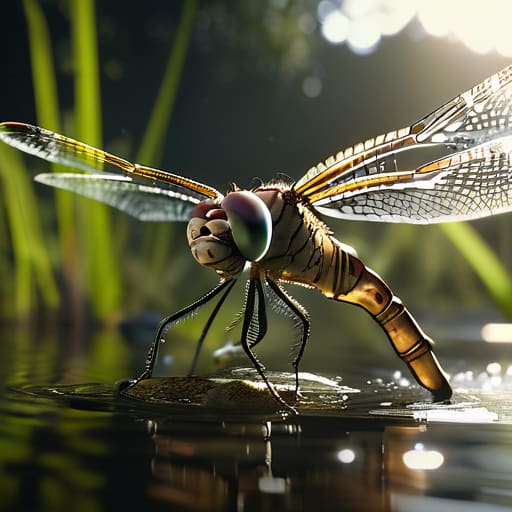
If you think dragonflies are just those shimmering, high-speed aerialists you see darting over a pond in July, you’re only seeing the final act of a very long, very muddy play. Most of their lives are actually spent underwater. The process of aquatic nymph development is where the real work happens, and it’s significantly more intense than the “graceful” image suggests. These nymphs—or larvae, depending on which textbook you’re currently wrestling with—are essentially miniature, armored tanks. They don’t just sit around waiting for things to happen; they are highly efficient hunters with a specialized lower lip that shoots out to grab prey in milliseconds.
Understanding these dragonfly life cycle stages is vital because it explains why a “clean” pond isn’t always a healthy one. If you’ve scrubbed your garden pond until it looks like a swimming pool, you’ve likely stripped away the leaf litter and submerged vegetation these nymphs need for cover. Without that structural complexity, they have nowhere to hide from larger predators, and their growth stalls. It isn’t just about the water quality; it’s about the messiness of the habitat. If you want the adults, you have to respect the chaos of the larvae.
A Precise Dragonfly Species Identification Guide for Citizen Scientists
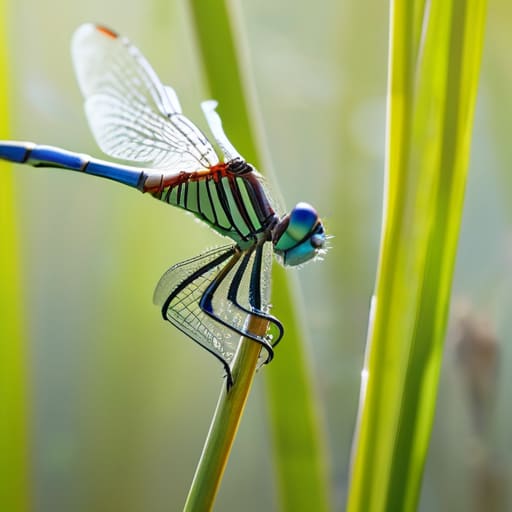
If you’ve ever stood by a pond with a field guide and felt like you were looking at a collection of identical blue-and-black sticks, you aren’t alone. Most people start by trying to distinguish a dragonfly from a damselfly, which is a fair first step. Look at the wings at rest: if they are held out wide like a little airplane, it’s a dragonfly; if they are folded together over the abdomen, you’re looking at a damselfly. But once you move past that, the real work begins.
To actually use a dragonfly species identification guide effectively, you have to stop looking for “the” color and start looking for the structure. I always tell my moth trap group to look at the eye shape and the pattern on the thorax first. For example, a Sympetrum striolatum (Common Darter) isn’t just “red”; you need to check if the sides of the thorax have those specific dark stripes. It’s tedious, and yes, I’ll admit that even after three years of field surveys, I still occasionally misidentify a tired specimen in the twilight. But getting the details right is the only way we can actually track whether these populations are holding steady or sliding.
Beyond the Net: How to Actually Support Your Local Odonata
- Stop trying to “clean up” your pond edges. If you’ve scrubbed every bit of silt and trimmed every reed back to a neat, manicured line, you’ve essentially evicted the nymphs. They need that submerged, messy structural complexity—decaying plant matter and tangled roots—to hide from predators while they undergo their final transformations.
- Prioritize native aquatic vegetation over ornamental water plants. I know, the exotic lilies look great in a catalog, but many dragonfly species are highly specific about the physical architecture of the plants they use for perching or egg-laying. If the plant isn’t part of the local evolutionary history, it might as well be plastic.
- Create a “buffer zone” of tall, unmanaged grass around any water source. Dragonflies aren’t just pond creatures; the adults need terrestrial hunting grounds and places to roost. A lawn that ends abruptly at a concrete pond edge is a biological desert for a species that needs to hunt midges and mosquitoes in the surrounding meadow.
- Accept the “snapshot” limitation of your sightings. One afternoon of seeing a dozen Libellula depressa (the Broad-bodied Chaser) doesn’t mean your pond is a thriving metropolis; it might just mean the weather hit a specific temperature threshold that triggered a mass emergence. True data comes from consistent, seasonal monitoring, not just the sunny days.
- Watch the water quality, but don’t panic over a single runoff event. While dragonflies are often used as bioindicators, the evidence for using them as a singular “litmus test” for pond health is actually quite nuanced. Rather than looking for one “perfect” reading, look for long-term stability in the diversity of species you see across different years.
The Real-World Takeaways
Forget the idea that a single, pristine pond is a magic bullet; dragonflies need a connected landscape of varied aquatic habitats and messy, unmanicured margins to actually complete their life cycles.
Identification is a skill, not a snapshot—don’t just look at the wing colour and call it a day, because the real data lives in the subtle nuances of the thorax and the specific way they perch.
Most “dragonfly declines” are actually just a lack of high-quality data, so the best thing you can do for conservation is to move beyond casual observation and start recording consistent, site-specific sightings.
Beyond the Identification Guide
We have covered a lot of ground, from the complex, predatory life of the aquatic nymph to the specific morphological markers that separate one odonata species from another. But if you walk away from this guide thinking that identification is the final goal, you’ve missed the point. Knowing the difference between a Sympetrum striolatum and a Libellula depressa is a fantastic skill, but a name on a spreadsheet doesn’t mean much if the habitat itself is failing. We need to remember that these insects are entirely dependent on the quality of our water and the structural complexity of our margins. Identification is just the first step in understanding the health of our ecosystems.
My hope is that you stop seeing dragonflies as just beautiful, fleeting summer ornaments and start seeing them as vital indicators of how we are treating our landscape. If you want to see more of them, don’t just look for them—create the conditions for them to exist. Leave the pond edges messy, reduce your chemical runoff, and let the vegetation grow. We don’t need more alarmist headlines; we need a thousand people making small, evidence-based changes to their own backyards. If we can protect the water and the weeds, the dragonflies will do the rest of the work for us.
