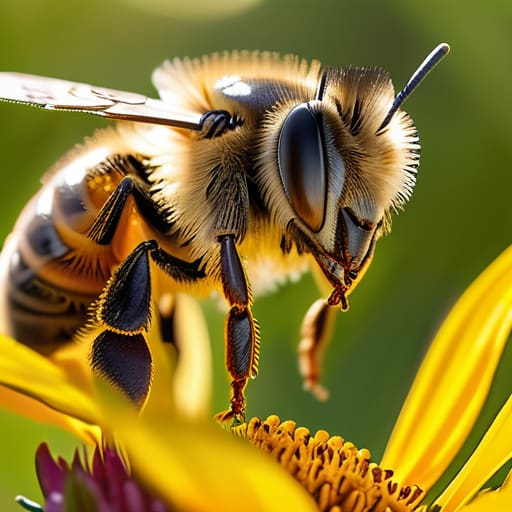
I once spent four hours crouched in a damp hedgerow in mid-November, shivering so hard I thought I’d rattle my teeth loose, all to record a single, struggling Bombus terrestris. It wasn’t glamorous, and it certainly wasn’t the sweeping, cinematic “save the bees” narrative you see on social media. Most people looking for a complete guide to bees expect a list of magical flowers or a dramatic warning about an impending apocalypse, but the reality of pollinator ecology is much more stubborn and granular than a headline allows.
I’m not here to sell you expensive “bee hotels” that often just become breeding grounds for parasites, nor will I feed you alarmist statistics that haven’t been peer-reviewed. Instead, I want to give you the actual toolkit: what the survey data tells us about which specific nectar sources matter, how to distinguish between a common honeybee and a declining wild species, and why small, messy patches of your garden are worth more than a pristine lawn. This is the honest, evidence-led version of the information you actually need to make a difference.
Table of Contents
Deciphering the Honey Bee Life Cycle and Social vs Solitary Bee Behavior
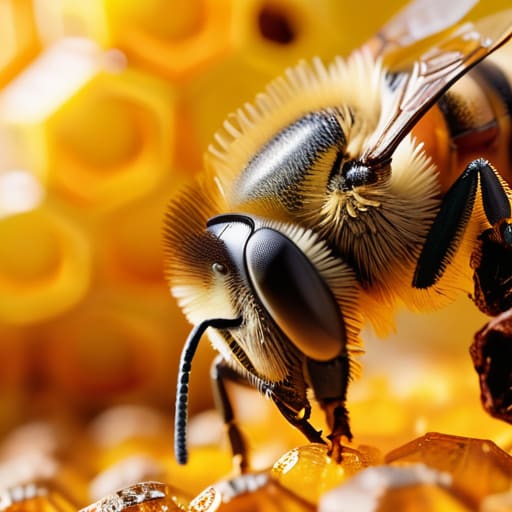
When people talk about bees, they usually picture a single, unified concept: a fuzzy little worker in a hive. But if you want to understand how we actually support them, you have to look at the distinction between social vs solitary bee behavior. Most of our cultural obsession is focused on the Apis mellifera—the honey bee—which lives in those highly organized, complex colonies we see in movies. Their life cycle is a marvel of communal engineering, moving from egg to larva to pupa within the structured safety of a hive.
However, the vast majority of bee species on this planet don’t have a “queen” or a bustling city to return to. They are solitary. A female solitary bee, like many species of Osmia (mason bees), does all the work herself: she builds the nest, gathers the pollen, and lays the eggs alone. This is a crucial distinction because our current bee conservation efforts often focus too heavily on protecting honey bee hives, which are actually managed livestock, while neglecting the wild, solitary specialists that are often much more efficient at pollination. Understanding this split is the first step to moving past the “one-size-fits-all” approach to garden ecology.
The Crucial Pollinator Importance for Ecosystems Beyond the Hype
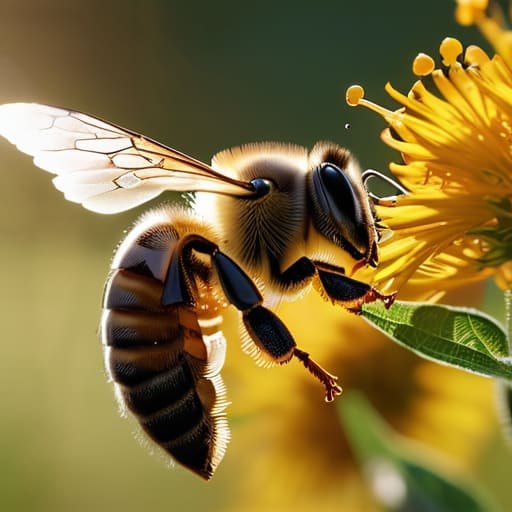
When we talk about pollinator importance for ecosystems, the conversation usually defaults to a very narrow, human-centric view: how many apples or almonds will we lose if the bees disappear? It’s a valid question, but it misses the structural reality of what’s happening in the hedgerows and field margins where I spend most of my time. Pollination isn’t just a service provided to agriculture; it is a fundamental mechanism for vegetative reproduction across almost all terrestrial habitats. Without that constant, messy transfer of pollen, the plant communities that stabilize our soil and provide cover for other wildlife would simply unravel.
It is also vital to move past the idea that a single “super-species” is doing all the heavy lifting. While we often focus on the sheer volume of work done by managed colonies, the real stability of an ecosystem comes from the diversity of the players involved. We need the specialists and the generalists working in tandem. When we discuss bee conservation efforts, we shouldn’t just be looking at how to support one type of insect, but how to protect the entire web of interactions that keeps a landscape functioning.
Moving Beyond the Buzzwords: 5 Ways to Actually Support Local Populations
- Stop aiming for a “perfect” wildflower meadow. If you’re looking at a seed packet that promises a lush, colorful carpet, read the fine print first. Most of the time, you’re better off with a messy, unmanicured patch of native weeds like nettles or brambles. These aren’t just “garden clutter”; they provide the structural complexity and nesting sites that many solitary bees actually require.
- Prioritize “floral phenology”—that’s just a fancy way of saying you need a continuous buffet from March to October. A massive burst of tulips in April is lovely for a photo, but it doesn’t help a queen bee survive a hungry July. You need to layer your planting so there is something blooming in the early spring, the mid-summer slump, and the late-season fade.
- Embrace the “no-mow” zone. We often think of a tidy, short-cropped lawn as a sign of a healthy garden, but for a pollinator, a manicured lawn is essentially a biological desert. By leaving even a small corner of your grass to grow long, you allow the life cycle of many ground-nesting bees to actually complete itself without being interrupted by a lawnmower.
- Rethink your “pest” management. I know, seeing aphids on your roses feels like a failure, but those aphids are the foundational food source for the hoverflies and parasitic wasps that actually keep your garden in balance. When we use broad-spectrum insecticides to solve one problem, we’re often accidentally wiping out the very predators we need to keep the ecosystem stable.
- Provide “messy” nesting sites. While everyone talks about bee hotels, the data suggests that many of our most important native species are ground-nesters or cavity-nesters in dead wood. Instead of tidying up every fallen branch or bare patch of earth, leave a little bit of the “chaos” in your garden. A pile of old logs or a patch of bare, sunny soil is often more valuable than the most expensive wooden bee house you can buy.
What to actually take away from the data
Stop focusing solely on honey bees; while they are vital for agriculture, our real conservation priority needs to be the diverse range of solitary bees that perform much of the heavy lifting in our local ecosystems.
“Decline” is a complicated word in ecology, so instead of panicking over every headline, look for specific local trends in survey data which often tell a much more nuanced story than a single study can.
Small-scale habitat connectivity—like keeping a messy hedgerow or leaving a patch of “weeds” in your garden—is often more effective for population stability than trying to implement massive, unmanaged landscape changes.
Beyond the Buzz: What Actually Matters
We have covered a lot of ground, from the complex social structures of Apis mellifera—that is your standard honey bee—to the vastly different, often overlooked lives of solitary species that don’t live in hives but are just as vital to our food systems. The takeaway isn’t that bees are a monolith, but that they are a diverse, fragile network of specialists. If we keep focusing only on the honey bee because they are easy to see, we risk missing the subtle shifts in the wild pollinator populations that actually signal the health of our local ecosystems. Understanding these distinctions is the first step toward moving past the headlines and into actual, evidence-based conservation.
I know it feels overwhelming when you see the data on population declines, but please don’t let the complexity paralyze you. Conservation isn’t always about massive, sweeping legislative changes; sometimes, it is about the intentional messiness of a garden. Leaving a patch of clover alone, ditching the neat lawn for a bit of wildflower margin, or simply accepting a few more “weeds” can create the micro-habitats these insects need to persist. We don’t need to solve everything by Tuesday, but we do need to start making space for the small things. If we focus on the quality of the habitat we provide, we give these species a fighting chance to stay part of our landscape.
