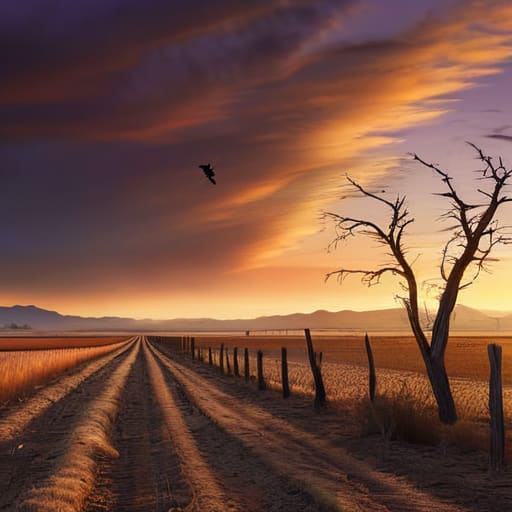
I was standing in a rain-lashed field in Norfolk last March, clutching a damp clipboard and trying to distinguish the call of a Skylark from the wind, when it hit me how much we get wrong about this. Most people see a headline about a “mass extinction” and immediately assume it’s a single, catastrophic event we can just fix with one big policy shift. But when you actually sit in the mud and look at the census data, you realize the story of how farmland birds declined isn’t a single explosion; it’s a slow, messy, and incredibly complicated erosion of specific niches. It’s not just “birds are disappearing,” it’s that the very architecture of the landscape—the hedgerows, the fallow strips, the messy margins—is being systematically tidied away.
I’m not here to give you more doom-scrolling fuel or vague, alarmist platitudes that make you feel helpless. Instead, I want to look at the actual survey metrics that tell us which species are actually hitting the wall and which ones are just shifting their range. We are going to move past the sensationalism and talk about what the data actually shows, including the areas where the evidence is still stubbornly thin. My goal is to help you understand the real drivers of these numbers, so you can tell the difference between a temporary dip and a genuine ecological red flag.
Table of Contents
Deciphering Avian Population Trends Without the Sensationalism
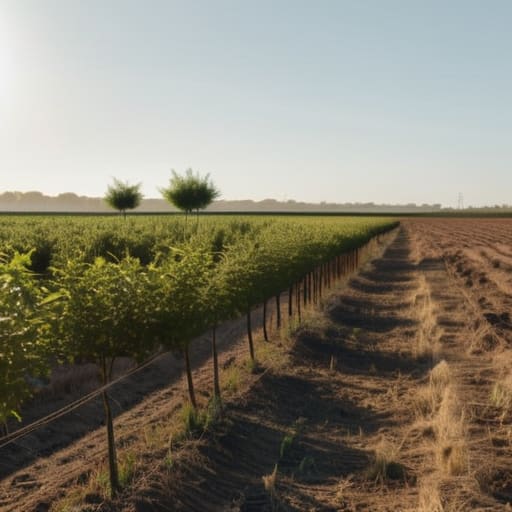
When we talk about these numbers, we have to distinguish between a “crash” and a steady, grinding decline. A headline might scream that a species has vanished overnight, but if you look at the longitudinal datasets, what we’re actually seeing is the slow erosion of niche habitats. It isn’t usually one single catastrophic event; it is the cumulative effect of habitat loss in rural landscapes where the margins are getting thinner every year. When a hedgerow is trimmed back or a field margin is sprayed too close to the edge, we aren’t just losing a bit of greenery—we are losing the specific micro-climates that nesting birds rely on.
This is where the nuance gets lost in the noise. People often point to a single culprit, but the reality is a complex web of agricultural intensification impact and shifting land management. We can’t just point at one factor and call it a day. To understand why certain species are struggling while others hold steady, we have to look at how the entire landscape functions as a network. If the connectivity between patches of scrub or woodland is broken, the population can’t sustain itself, regardless of how much “nature” we think we see on the surface.
The Real Weight of Agricultural Intensification Impact
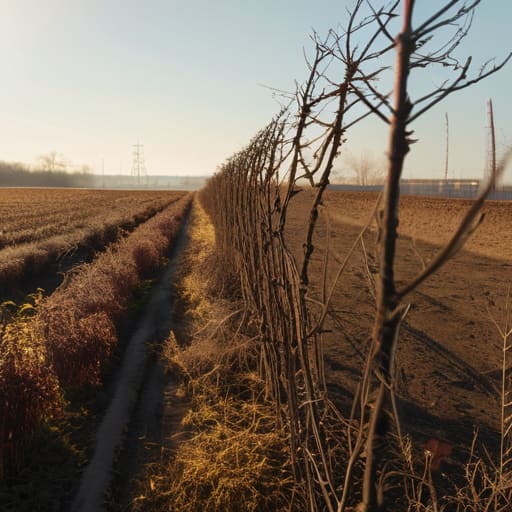
When we talk about the agricultural intensification impact, the conversation usually gets stuck on a single, massive concept: the loss of “messiness.” In my fieldwork, I see it constantly. A field that used to have a thick, brambly margin or a patch of unploughed ground is now a clean, sterile line of crop meeting dirt. For a bird, that isn’t just an aesthetic change; it is the removal of a pantry and a nursery. We aren’t just losing space; we are losing the specific, structural complexity that certain species require to survive the winter.
It isn’t just about the physical footprint of the farm, though. We have to look at how pesticide use and biodiversity are linked in ways that aren’t always obvious in a single season’s data. It’s a compounding effect. If the insect biomass drops because of chemical inputs, the birds might still have the nesting sites, but they no longer have the fuel to raise a brood. It’s a cascading failure of the food web, and that is much harder to fix with a single policy than just planting a row of trees.
Moving Beyond the Headlines: What Actually Helps Bird Numbers Recover
- Focus on the margins, not just the middle. We talk a lot about crop yields, but for many species, the real survival happens in the unploughed edges. Increasing the width of field margins and hedgerows provides the essential structural complexity they need to nest and forage without being exposed.
- Prioritize “messy” over “manicured.” A perfectly tidy field looks efficient to a farmer, but to a skylark, it’s a desert. We need to advocate for leaving stubble in the fields and allowing some weeds to persist; these aren’t just “weeds,” they are the caloric foundation of the food web.
- Understand the insect-bird connection. You can’t fix bird populations by only looking at birds. If the invertebrate biomass—the actual protein source—is crashing due to pesticide use or habitat loss, the birds simply cannot successfully fledge a brood. Conservation has to be multi-trophic to work.
- Support data-driven stewardship, not just blanket subsidies. Instead of one-size-fits-all schemes, we need to encourage farming practices that respond to what the local surveys are actually showing. If a specific area is a stronghold for a declining species, that’s where the targeted, high-quality habitat management needs to go.
- Embrace the reality of “patchwork” landscapes. A single massive nature reserve is great, but for many farmland birds, a network of smaller, connected “stepping stone” habitats across working farms is often more resilient. It’s about creating a landscape that allows for movement and genetic flow, rather than isolated islands of green.
What the Data Actually Teaches Us
We have to stop treating “birds” as a single, monolithic group; while some generalist species are holding steady, the real crisis is happening in the specialist populations that rely on specific, undisturbed field margins.
Intensification isn’t just about more chemicals—it’s about the loss of structural complexity in the landscape, which means even if a field looks “green,” it might be a biological desert for a nesting bird.
Conservation isn’t a magic wand, but the evidence suggests that even small, messy patches of uncultivated land can act as vital lifelines if they are connected rather than isolated islands.
Moving Beyond the Data
When we strip away the sensationalist headlines, the picture isn’t just one of vague “decline,” but of a specific, measurable loss of niche habitats. We’ve seen that it isn’t just about the total number of birds, but about how agricultural intensification has systematically removed the structural complexity—the hedgerows, the fallow margins, and the diverse seed heads—that these species require to survive. The data tells us that while some generalist species might hold steady, the specialists are losing the battle because their specific environmental requirements are being optimized out of the landscape. It is a precise, structural problem rather than a mysterious, invisible disappearance.
This doesn’t mean we should succumb to fatalism, but it does mean we need to stop looking for silver-bullet solutions and start looking at the margins. Conservation isn’t just about massive, distant nature reserves; it is about the connectivity of the small spaces between them. If we can shift the focus from broad, alarming generalizations to targeted, evidence-based land management, we can actually begin to reverse these trends. We don’t need more panic; we need more intentional, messy, and diverse landscapes that allow these populations to actually hold their ground.
