I spent three hours last Tuesday knee-deep in a damp, bramble-choked ditch in Oxfordshire, trying to distinguish between two very similar looking Bombus terrestris workers, only to realize the “population boom” I was tracking was actually just a single, highly successful colony drifting through a fragmented landscape. It’s easy to get lost in the big, sweeping headlines that claim we can save the world just by planting a few lavender pots, but they rarely explain how genetic diversity matters when the actual habitat is broken into tiny, isolated islands. We talk about “resilience” like it’s a magic spell, but if a population is trapped in a single hedgerow with no way to meet its neighbors, that resilience is an illusion.
I’m not here to give you the polished, optimistic version you’ll find in a glossy NGO brochure. Instead, I want to look at what the data actually tells us about why a connected landscape is more important than a pretty one. I’ll be breaking down the messy reality of how small, local gene pools work and why actual connectivity is the only thing that keeps these species from hitting a dead end.
Table of Contents
Decoding Allele Frequency Importance in Fragmented Habitats
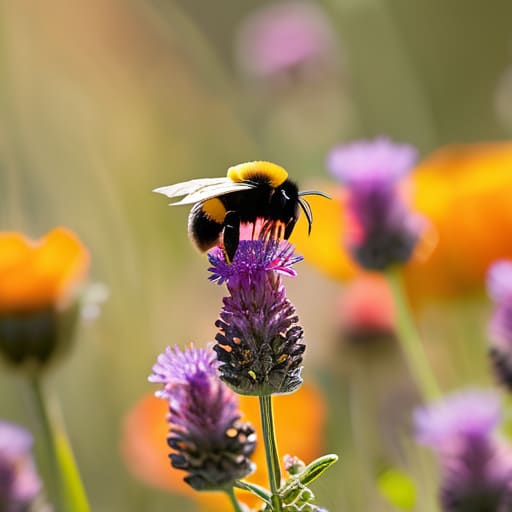
When I’m out on a transect, I’m not just looking at how many individuals are flying through a hedgerow; I’m looking at the invisible math keeping them there. We talk a lot about population size, but the real driver of long-term stability is often the allele frequency importance within those groups. Think of it this way: if a population of Bombus terrestris—the buff-tailed bumblebee—is large but everyone is genetically identical, they are essentially a house of cards. They might look fine today, but they lack the toolkit to handle a sudden shift in flowering phenology or a new pathogen.
This is where we see the brutal reality of genetic bottleneck effects in fragmented landscapes. When a new road or a massive monoculture field cuts a habitat in two, we aren’t just losing space; we are physically preventing the movement of genes. We end up with these tiny, isolated pockets of insects that are forced to inbreed. Without that constant influx of new genetic material, the biological fitness and variation of the group plummets, leaving them unable to respond to the very environmental shifts that are currently reshaping our world.
Why Biological Fitness and Variation Outperform Static Populations
When we talk about a population being “stable,” we often mistakenly think of it as being static. In my fieldwork, I’ve seen plenty of colonies that look perfectly fine on a Tuesday, only to vanish by August because they lacked the internal toolkit to handle a sudden heatwave or a new pathogen. This is where biological fitness and variation become the actual drivers of survival. It isn’t just about having a high number of individuals; it’s about having a diverse range of “solutions” encoded in their DNA. If every bee in a patch is a genetic clone of the next, they are all equally vulnerable to the same single threat.
A population with high variation possesses the raw material for evolutionary adaptation mechanisms to actually work. When the environment shifts—and in the current climate, it is shifting constantly—diversity acts as a buffer. Without it, a single bad season can trigger devastating genetic bottleneck effects, where the surviving group is so small and inbred that they lose the ability to recover. We aren’t just looking for numbers; we are looking for the resilience that comes from a messy, varied gene pool.
Moving Beyond the Buzzwords: 5 Ways to Actually Support Genetic Resilience
- Stop focusing solely on “green space” and start looking at connectivity. A massive, isolated park is a genetic island; if a population of Bombus terrestris gets stuck there with no way to move between patches, they’re essentially breeding in a vacuum, which is a recipe for long-term decline.
- Prioritize “messy” margins over manicured lawns. We need a variety of host plants, not just the ones that look good in a catalogue, because different plant chemical profiles support different insect lineages, helping to maintain that vital pool of variation.
- Think about the “stepping stones.” If you can’t provide a continuous corridor of habitat, even a few well-placed, diverse garden plots can act as vital transit points that allow individuals to move, mate, and exchange the genetic material that prevents a population from stalling.
- Beware of the “single-species trap.” It’s easy to get obsessed with saving one specific butterfly, but true resilience comes from supporting the whole messy web. When we protect the niche, we protect the unseen genetic diversity of the entire community.
- Accept that we don’t have all the answers yet. Much of our understanding of insect micro-evolution is still catching up to the pace of habitat loss, so we should focus on creating broad, high-quality habitats that give these populations the best possible chance to adapt on their own terms.
What we actually need to track
Stop looking for “more bugs” and start looking for “more types of bugs”; a massive population of clones is just as vulnerable to a single heatwave or a new pathogen as a small one.
Connectivity isn’t just a buzzword for corridors—it’s the literal delivery system for new alleles, meaning a single well-placed hedgerow can be the difference between a population that adapts and one that hits a genetic dead end.
We have to move past the “static population” myth in conservation; a stable number of individuals doesn’t mean a stable species if the underlying genetic toolkit is shrinking every season.
Beyond the Spreadsheet
When we strip away the jargon, the takeaway is this: genetic diversity isn’t just a metric for a spreadsheet; it is the biological insurance policy for every species we are trying to save. We have seen how fragmented habitats turn populations into isolated islands, where a single bad season or a new pathogen can wipe out a local group because they lack the allelic toolkit to adapt. If we focus only on the number of individuals without looking at the variation within them, we are essentially building a house on sand. We have to move past the idea that “more insects” is the only goal and start prioritizing the connectivity of landscapes that allows these tiny, vital gene pools to actually mingle.
It is easy to feel small when you are staring at a data set of declining populations, but there is a real, tangible power in how we manage our spaces. Whether it is a massive nature reserve or a messy, unkempt corner of a suburban garden, every bit of habitat we link up helps bridge the gap between those isolated islands. We aren’t just planting flowers; we are building evolutionary corridors. If we get the science of connectivity right, we give these species more than just a temporary reprieve—we give them the genetic resilience to actually navigate an uncertain future.
