I was waist-deep in a damp hedgerow last Tuesday, trying to get a clear shot of a Bombus terrestris—the common buff-tailed bumblebee—without looking like a total amateur, when I saw someone using a long pole to nudge a flower closer to a butterfly. It was a classic “perfect shot” attempt, but it felt wrong. We’ve been sold this idea that knowing how to photograph wildlife ethically is about buying the most expensive telephoto lens or mastering complex distance calculations, but that’s just expensive noise. Real ethics isn’t about your gear; it’s about whether your presence is actually changing the behavior of the organism you’re trying to document.
I’m not here to give you a checklist of gear or a lecture on “leave no trace” platitudes that don’t mean much in the field. Instead, I want to talk about the messy, unglamorous reality of being a witness to nature. I’ll share what I’ve learned from years of surveying transects and running moth traps: how to recognize the subtle signs of stress in an animal, why a blurry photo is always better than a clear one taken at the expense of a nesting site, and how to ensure your hobby contributes to conservation rather than just consuming it.
Table of Contents
- Minimizing Animal Disturbance Why Proximity Isnt Always Progress
- The Telephoto Lens for Distance Photography Protecting the Subjects Space
- Beyond the Lens: Five Ways to Stop Being a Disturbance and Start Being a Witness
- Beyond the Shutter: What Ethical Documentation Actually Looks Like
- The Long View
Minimizing Animal Disturbance Why Proximity Isnt Always Progress
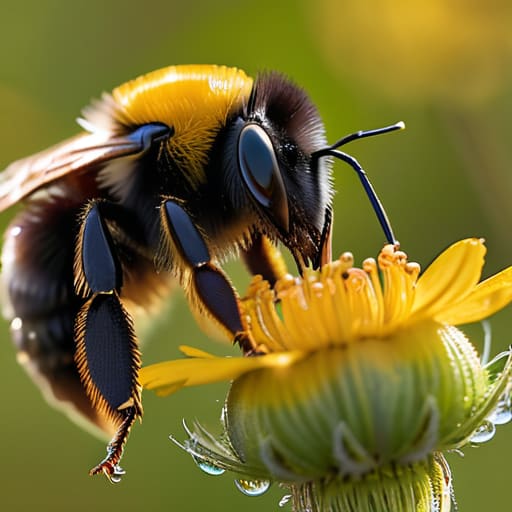
In my fieldwork, I’ve spent hours crouched in damp hedgerows trying to observe a single Bombus terrestris—the Buff-tailed bumblebee—without looking like a predator. There is this persistent, unspoken pressure in the photography community to get “the shot,” which usually translates to being as close as humanly possible. But if you are constantly maneuvering through a patch of wildflowers or stepping over delicate ground cover just to shave a few inches off your distance, you aren’t just taking a picture; you are actively minimizing animal disturbance by failing to do so. When we trample the very micro-habitats we claim to love, we are essentially destroying the stage the actors are standing on.
The real trick to wildlife photography best practices isn’t about how much courage you have to get close, but how much discipline you have to stay back. I cannot stress this enough: invest in a decent telephoto lens for distance photography. It is far better to have a slightly less intimate frame than to realize, after the fact, that your presence caused a bird to abandon a nest or a pollinator to cease foraging. True documentation should be invisible. If the animal changes its behavior because you’ve arrived, you aren’t capturing its life; you’re capturing your own interference.
The Telephoto Lens for Distance Photography Protecting the Subjects Space
I spent three summers doing transects in the rain, and if there is one thing I learned, it’s that animals are far more observant than we give them credit for. You might think you’re being subtle, creeping through the undergrowth, but to a bird or a large mammal, you are a looming, unpredictable predator. This is where the telephoto lens for distance photography becomes your most important piece of ethical kit. It isn’t just about getting a “better” shot; it is about removing yourself from the equation entirely. When you can pull the subject closer through glass rather than physically closing the gap, you stop being a stressor in their environment.
Using long focal lengths is one of the most effective ways of minimizing animal disturbance without compromising the quality of your documentation. If you find yourself needing to physically move closer to get the framing right, you’ve already crossed a line. Instead of testing the limits of an animal’s flight distance, use that extra reach to observe how they actually behave when they think they’re alone. That is where the real data—and the real beauty—lives.
Beyond the Lens: Five Ways to Stop Being a Disturbance and Start Being a Witness
- Prioritize the behavior over the shot. If you’ve spent twenty minutes waiting for a Bombus terrestris—that’s the Buff-tailed bumblebee, for those not currently elbow-deep in pollen—to land on a specific flower, and its flight pattern changes because you’ve stepped closer, you’ve lost. The “perfect” shot of a bee mid-flight isn’t worth the energetic cost of making that insect fly erratically to avoid you.
- Respect the “invisible” boundaries of micro-habitats. In my field surveys, I see people trampling hedgerow margins just to get a better angle on a butterfly. When you crush the very vegetation that provides cover or larval host plants, you aren’t just taking a photo; you’re degrading the habitat you claim to admire. Stay on the path, or better yet, learn to work from where you are.
- Avoid the trap of “unnatural” baiting. I see it all the time in local Facebook groups: people using sugar water or artificial scents to lure insects closer for a “better” photo. While it might seem harmless, we don’t actually have long-term data on how localized feeding stations affect the nutritional balance or movement patterns of specific populations. If you have to trick them into appearing, the photo is a lie.
- Keep your gear and your presence quiet. For many small invertebrates and birds, vibration and sudden movement are much more detectable than the sound of a shutter. If you’re setting up a tripod and clanking metal against stone in a quiet meadow, you’re broadcasting your location to every organism in the vicinity. Slow, deliberate movements are a requirement, not a suggestion.
- Document the reality, not just the highlight reel. Ethical photography includes being honest about the context. If you take a stunning photo of a rare moth but ignore the fact that the area is being encroached upon by invasive scrub, you’re participating in a kind of aesthetic erasure. Use your platform to show the habitat as it is—messy, complicated, and in need of protection—not just the pretty subject sitting in the middle of it.
Beyond the Shutter: What Ethical Documentation Actually Looks Like
Prioritize the specimen over the shot; if you find yourself repositioning a beetle or clearing away leaf litter just to get a “cleaner” background, you have crossed the line from documenting an organism to manipulating a habitat.
Understand that a blurry, distant photo of a Bombus terrestris in its natural state is scientifically more valuable—and ethically superior—than a high-resolution macro shot taken after you’ve spent twenty minutes flushing it out of cover.
Recognize the limits of your own data; if you are photographing a rare species, be mindful that your presence might inadvertently signal its location to others, so treat every sighting with the same discretion you’d use in a field survey.
The Long View
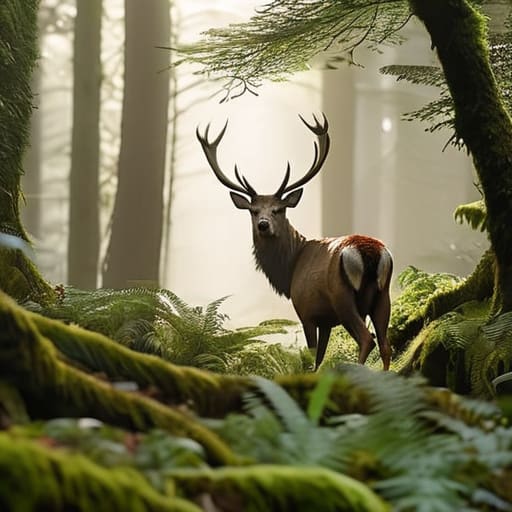
At the end of the day, ethical wildlife photography isn’t about following a checklist of rules to avoid being “that person” with the heavy gear; it is about recognizing that the organism in your viewfinder is a living entity with its own metabolic costs. Whether you are trying to capture a Bombus terrestris on a clover head or a distant deer in a clearing, your priority must always be the integrity of the animal’s behavior. We have discussed using telephoto lenses to maintain a respectful buffer and the necessity of minimizing physical disturbance, but the core principle remains: if your presence forces an animal to change its pattern, you have already lost the shot by compromising the very reality you intended to document.
I spent three summers counting bumblebees in the rain, and if there is one thing I learned, it is that nature does not exist for our archives. The data we collect through photography can be a powerful tool for conservation, but only if the images are honest and the subjects remain undisturbed. We need to move away from the “trophy shot” mentality and toward a practice of patient observation. When we stop treating wildlife as mere subjects to be conquered and start treating them as neighbors to be respected, our photography becomes more than just a pretty picture—it becomes an act of stewardship.
