I spent three hours last Tuesday knee-deep in a damp, muddy hedgerow margin, trying to distinguish between a thriving community and a botanical monoculture, only to realize the data was already being skewed by something I couldn’t even see. You’ve likely seen the headlines claiming that nitrogen is “poisoning the earth,” but that kind of sweeping, apocalyptic language actually obscures the reality of how nitrogen deposition changes habitats. It isn’t a sudden, violent death; it’s a slow, quiet shift in the competitive balance of the soil. Instead of a diverse patchwork of wildflowers, we start seeing a few aggressive, nitrogen-loving grasses move in and simply crowd everyone else out.
I’m not here to feed you more doom-scrolling headlines or impenetrable academic jargon that requires a PhD to untangle. My goal is to walk you through what the actual field surveys are telling us about these shifts and why a “green” field isn’t always a healthy one. I want to show you where the evidence is rock-solid and where we’re still just guessing, so you can understand the real mechanics of biodiversity loss without the unnecessary panic.
Table of Contents
The Truth About Nutrient Enrichment in Ecosystems
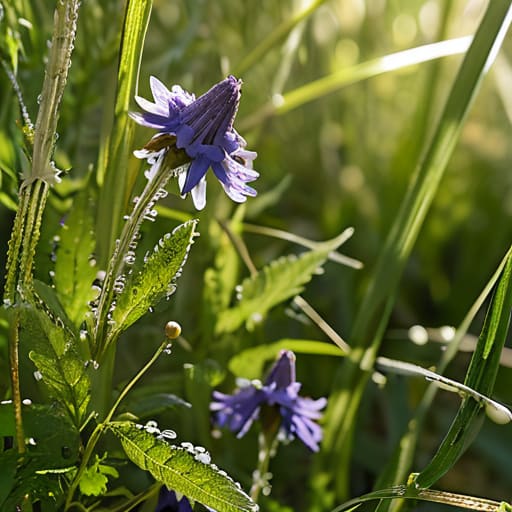
When we talk about nutrient enrichment in ecosystems, the conversation usually jumps straight to “more food equals more life.” It sounds intuitive. If plants have more nitrogen, they should grow better, right? But in a field margin or a meadow, it’s less like a buffet and more like a high-stakes race where the rules have been rigged. Nitrogen acts as a massive dose of fertilizer that specifically favors a few aggressive, fast-growing species—usually the tall grasses and nettles. These “winners” quickly shade out the delicate wildflowers that our specialist pollinators actually rely on. This plant community composition shift is the real driver of what we see on the ground; it isn’t just that the nitrogen is there, it’s that it fundamentally changes who is allowed to exist in that space.
It’s a subtle, cascading effect. As these dominant plants take over, the diversity of nectar sources drops, and suddenly, the specialized bees I spend my summers tracking find themselves in a green desert. We also have to account for soil acidification effects, which can alter the very chemistry of the ground, making it harder for certain plants to pull in other essential minerals. It’s not a sudden collapse, but a slow, structural reorganization of the habitat.
Tracking Real Plant Community Composition Shifts

When we talk about plant community composition shifts, the mistake most people make is looking for a sudden disappearance. It isn’t usually a mass extinction event happening overnight in your local meadow; it’s a slow-motion takeover. In my field surveys, I don’t see the wildflowers just “dying.” Instead, I see the competitive landscape tilting. High nitrogen levels act like a steroid for a very specific group of aggressive, fast-growing grasses. They don’t just grow; they colonize, choking out the delicate, slow-growing herbs that our specialist pollinators actually rely on.
Tracking this is incredibly tedious work. You can’t just count “greenery” and assume the ecosystem is healthy. You have to look at the ratio of specialists to generalists. As nitrogen levels rise, we see a predictable pattern: the niche species—the ones that evolved to thrive in low-nutrient, “difficult” soils—get squeezed out by a few dominant species that can handle the excess. This is the core of biodiversity decline from nitrogen; it’s not always about the total amount of biomass, but about the loss of the specific, messy variety that makes a habitat functional.
Beyond the Headlines: How to Spot and Support Real Habitat Shifts
- Watch for the “Winner-Takes-All” effect. When nitrogen levels spike, you won’t necessarily see a sudden mass die-off; instead, you’ll see a few aggressive, fast-growing grasses or nettles outcompeting the delicate wildflowers. It’s not a massacre, it’s a takeover.
- Don’t just count species; look at the “functional” diversity. A field might still have twenty different types of plants, but if those plants are all high-nitrogen specialists, the specialist bees that rely on specific, low-nutrient wildflowers are still effectively starving.
- Prioritize “unproductive” patches. If you’re managing a garden or a field margin, resist the urge to tidy up. The messy, nutrient-poor corners where plants struggle slightly are often the most important reservoirs for the biodiversity that nitrogen-heavy environments tend to erase.
- Monitor the soil, not just the surface. Nitrogen deposition changes the chemistry of the ground long before the visible plant community shifts. If you’re looking for early warning signs, you have to look at what’s happening beneath the leaf litter.
- Aim for structural complexity over sheer numbers. A habitat with varying heights and different plant structures provides more niches for insects. Even in a nitrogen-enriched area, creating physical “breaks” or patches of different management can help prevent a single dominant species from smoothing everything out into a monoculture.
What We Actually Need to Watch For
Don’t just look for “more green”—look for what’s being crowded out. Nitrogen deposition doesn’t usually kill plants outright; it just gives a massive competitive advantage to fast-growing, nitrogen-loving species that eventually choke out the specialist wildflowers our insects actually rely on.
We have to stop treating “biodiversity” as a single, monolithic number. A field might still have a high number of individual plants, but if those plants are all the same aggressive grass species instead of a diverse mix of nectar sources, the insect population will still crash.
Small-scale data is our best defense against bad headlines. While a single study might claim a specific area is “lost,” long-term monitoring of hedgerow margins tells us how much buffer we actually have and which specific plant shifts are the true warning signs of a declining insect community.
Moving Beyond the Headlines
We have to stop looking for a single “smoking gun” and start looking at the subtle shifts in the landscape. Nitrogen deposition isn’t a sudden explosion that wipes out a meadow overnight; it is a slow, chemical nudge that favors a few aggressive, nitrophilous species—like certain tall grasses—at the expense of the delicate wildflowers that our pollinators actually rely on. When we track these shifts, we aren’t just counting plants; we are measuring the gradual erosion of specialized niches. If we ignore the way nutrient enrichment rewrites the rules of competition, we will keep miscalculating how much habitat we actually have left.
The good news is that ecology is rarely a game of total losses, provided we act on the right data. While we can’t easily scrub nitrogen out of the atmosphere, we can manage the ground beneath our feet by creating high-quality, low-nutrient refuges that resist these shifts. It is about being deliberate with our margins and our garden management to ensure that the “winners” of the nitrogen race don’t become the only players on the field. Conservation doesn’t always require a miracle; sometimes, it just requires us to understand the chemistry of the soil well enough to give the specialists a fighting chance.
