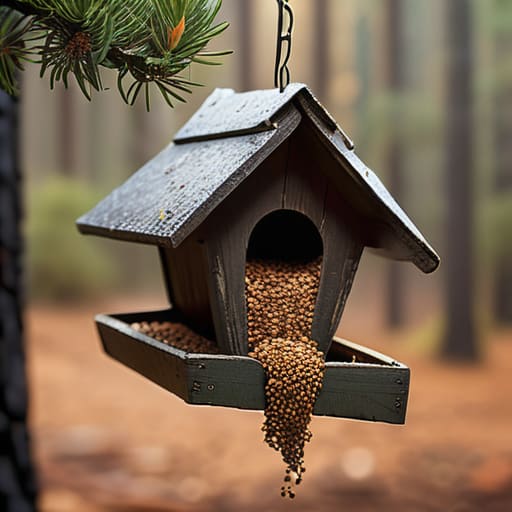
I spent three years counting bumblebees in the driving rain, so I’ve learned that nature rarely cares about the expensive, “designer” bird feeders you see in glossy garden catalogues. There is this pervasive, well-meaning myth that if you aren’t buying the most specialized, high-tech seed blends, you’re somehow failing the local ecosystem. But honestly? Most of those hyper-processed mixes are just filler that provides almost zero nutritional value to the species actually landing in your garden. If you are genuinely trying to figure out how to feed birds without harm, you need to stop looking at the marketing and start looking at the actual biology of what these birds need to survive a winter.
I’m not here to sell you a subscription to a premium seed service or give you a list of “miracle” products. Instead, I want to walk you through what the field data actually shows about caloric density, disease prevention, and why cleanliness matters more than variety. I’ll tell you when a popular feeding method is actually a risk to local populations, and I’ll share the specific, low-cost changes that actually make a difference. This is about evidence-based gardening, not garden trends.
Table of Contents
Nutritious Bird Seed Varieties vs the Empty Calories of Cheap Blends
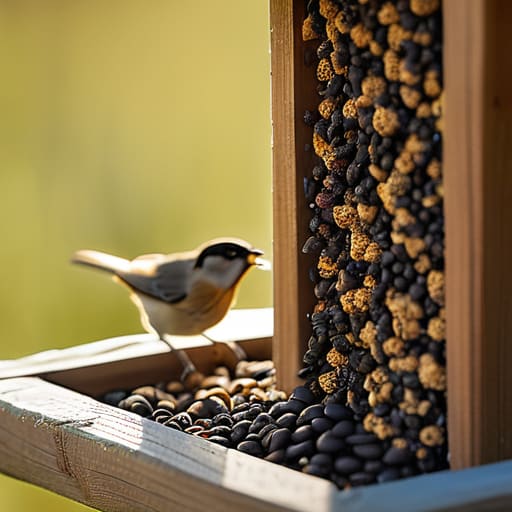
If you walk into any garden centre, you’ll see massive, brightly coloured bags of “mixed bird seed” for a handful of pounds. Most of these are essentially the bird equivalent of a bag of crisps—high in cheap fillers like cracked corn or wheat that provide bulk but very little actual fuel. For a bird trying to maintain its body temperature during a cold snap, those empty calories are a massive metabolic gamble. When we talk about nutritious bird seed varieties, we’re looking for high lipid and protein content, like sunflower hearts or niger seeds, which provide the sustained energy required for survival rather than just a quick sugar hit.
The problem with those cheap, dusty blends isn’t just the lack of nutrition; it’s the debris. Fine dust and broken hulls settle at the bottom of the feeder, creating a damp, mouldy sludge that acts as a breeding ground for pathogens. This is where the link between diet and preventing avian disease transmission becomes real. If you are feeding low-quality, dusty seed, you aren’t just underfeeding your local population; you might be inadvertently creating a petri dish. If you want to be a responsible steward of your local garden, invest in whole, clean seeds that actually do the job they’re supposed to.
Avoiding Bird Feeder Overcrowding to Prevent Unnecessary Stress
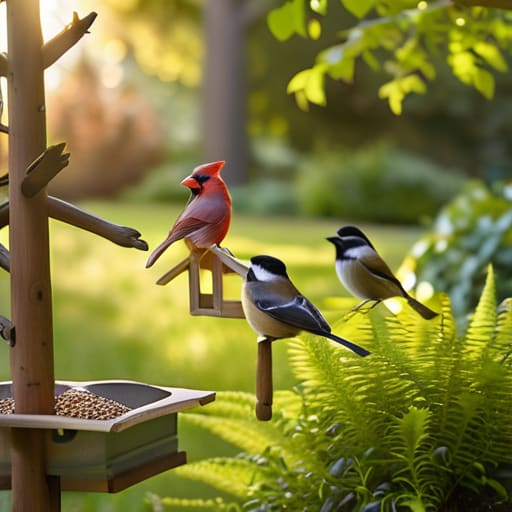
It’s easy to fall into the trap of thinking that more feeders equals more birds, but in ecology, density is a double-edged sword. When you pack too many birds into a single, concentrated space, you aren’t just providing a buffet; you are inadvertently creating a high-traffic zone for pathogens. I see this often in my own field surveys—high-density clusters can become hotspots for illness. Avoiding bird feeder overcrowding is one of the most effective ways to manage this risk, as it naturally spreads the population out and reduces the physical contact that facilitates the spread of parasites.
Instead of one massive station, try scattering several smaller feeders across different parts of your garden. This mimics a more natural foraging pattern and prevents a single “mega-colony” from forming. If you do stick to fewer feeders, you must be disciplined about your safe bird feeder cleaning routine. If a feeder looks heavily used, it needs a scrub with a diluted bleach solution or specialized cleaner to ensure you aren’t just serving nutritious bird seed varieties alongside a side of avian flu. It’s about managing the space, not just the food.
Beyond the Feeder: Five Ways to Actually Support Your Local Avian Populations
- Keep your feeders clean to prevent the spread of Trichomonas gallinae. It’s a protozoan parasite that spreads like wildfire in crowded feeders; if you aren’t scrubbing your trays with a disinfectant at least once a week, you aren’t feeding birds, you’re hosting a disease clinic.
- Stop relying on “filler” seeds like red milo or wheat. Most cheap mixes are packed with these because they’re inexpensive, but most songbirds won’t touch them. You end up with a pile of wasted, rotting grain at the bottom of your feeder that attracts rats rather than birds.
- Place feeders near natural cover but not directly against a window. If a bird has to fly across an open expanse to reach food, it’s a sitting duck for a sparrowhawk. Conversely, if the feeder is right against the glass, you’re just inviting a collision. Aim for a “middle ground” distance of about two to three meters from a bush.
- Don’t forget the importance of “messy” gardening. While you’re focused on the feeder, remember that the insects those birds need for protein—especially during breeding season—live in the leaf litter and the dead flower heads you’re likely tempted to tidy up.
- Watch the timing of your supplemental feeding. While it’s tempting to keep the feeders full all year, be mindful that in some regions, over-reliance on high-energy human-provided food can sometimes disrupt the natural foraging cues that birds need to stay sharp for seasonal migrations.
The Bottom Line for Your Backyard Bird Buffet
Stop buying the “all-in-one” cheap mixes; they are mostly filler like cracked corn and wheat that provide almost zero nutritional value for high-energy birds, so stick to high-fat, nutrient-dense seeds like sunflower hearts or suet.
Treat your feeders like a buffet, not a crowded nightclub; if you see birds constantly scuffling or looking stressed, you need to add more feeding stations rather than just dumping more food into the existing ones.
Always check the data on seasonality—what works for a robin in the spring might be useless for a tit in the dead of February—so prioritize high-protein options when the temperature drops and the energy demands actually spike.
Moving Beyond the Bird Feeder
At the end of the day, helping local bird populations isn’t about finding a magic “superfood” blend at the supermarket; it’s about being intentional with the resources you provide. We’ve looked at why high-quality fats and proteins matter more than cheap fillers, and why managing the sheer density of birds at a single feeder is vital for preventing the spread of disease. If you can move away from the “set it and forget it” mentality and instead focus on nutritional density and spatial awareness, you aren’t just decorating your garden—you are actively participating in a small-scale management plan. It’s about recognizing that every handful of seed is a biological input, and like any input, it carries consequences for the birds that consume it.
I often think about how much of our relationship with nature is filtered through these tiny, controlled interactions. We might not be able to stop global habitat loss from our backyards, but we can ensure that the micro-habitats we do manage are actually functional rather than just performative. Don’t get discouraged if the numbers don’t double overnight; conservation, whether it’s in a hedgerow or a hanging feeder, is a game of incremental gains. When we stop relying on sensationalist headlines and start looking at the actual quality of the support we offer, we move from being passive observers to being effective stewards of the species right outside our windows.
