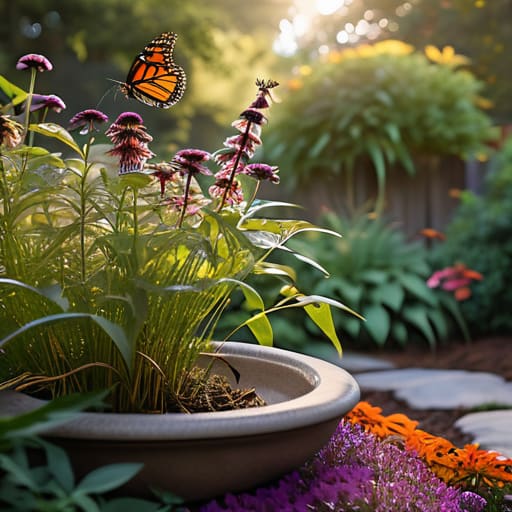
I spent three summers counting Bombus terrestris—the buff-tailed bumblebee—on transects in the driving rain, and if those weeks taught me anything, it’s that the “wildlife gardening” industry is selling you a lot of expensive nonsense. You don’t need a £50 “biodiversity starter kit” or a perfectly curated meadow of exotic perennials that look great on Instagram but offer zero nutritional value to a local specialist bee. Most of the advice you see online about how to garden for wildlife is either too alarmist to be useful or too complicated to actually implement. People think they need to transform their entire backyard into a wilderness overnight, when in reality, the data shows that even a single, messy corner of native nectar sources can make a massive difference.
I’m not here to sell you a lifestyle aesthetic or a sense of false hope. My goal is to give you the actual mechanics of what works, based on what the surveys are actually telling us about population stability. We are going to look at the specific, small-scale changes—like managing your soil or choosing the right host plants—that genuinely move the needle for local insect numbers. No hype, no impenetrable jargon, just the evidence-led steps you can take in your own patch of earth.
Table of Contents
Why Native Plant Landscaping Matters More Than Aesthetics
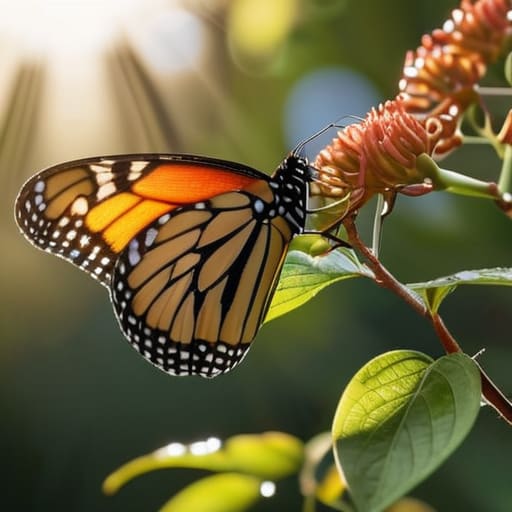
We’ve been conditioned to think of gardens as curated galleries—neat, symmetrical, and largely devoid of “mess.” But from a surveyor’s perspective, a perfectly manicured lawn is essentially a biological desert. When we focus purely on aesthetics, we often select plants based on their flower shape or color rather than their evolutionary history with the local fauna. This is where the concept of native plant landscaping becomes vital. It isn’t just about a “natural look”; it’s about chemical synchronicity. Local insects have spent millennia evolving to bypass the specific defensive toxins of native flora. When you swap a local willow or bramble for a non-native ornamental, you aren’t just changing the view; you are breaking a fundamental link in the food chain.
It is easy to get caught up in the trend of “pollinator friendly plants” that look great in a catalogue but offer zero nutritional value to a specialist bee. Many of these hybrid cultivars have been bred for petal count at the expense of nectar production. If we want to see actual results in our transect counts, we have to prioritize functional biodiversity over visual perfection. We need to stop viewing a bit of “wild” margin as a sign of neglect and start seeing it as the foundation for beneficial insect habitats that actually work.
Measuring Real Biodiversity in Backyard Gardens
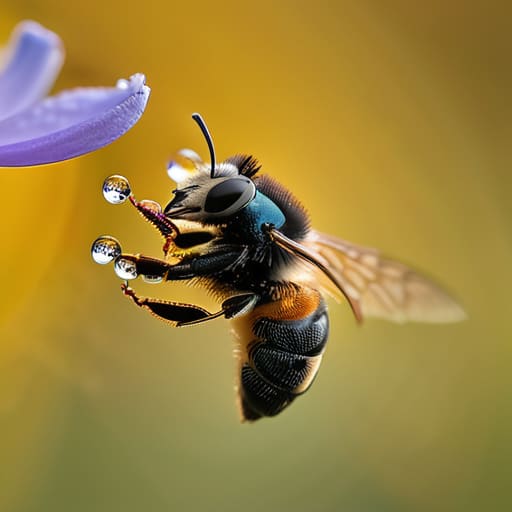
When I’m out on a transect, I’m not just looking for “more bugs”; I’m looking for specific functional groups. There is a massive difference between a garden that has a high volume of a single, opportunistic species—like a swarm of aphids or a few common honeybees—and a garden that supports true biodiversity in backyard gardens. A garden that looks “busy” might actually be a monoculture in disguise. To really understand if your space is working, you have to look past the flashiest pollinators and check for the specialists: the solitary bees that only visit specific flower shapes, or the predatory wasps that keep your pest populations in check.
This is where most people get tripped up. They think that if they see a bee, they’ve succeeded. But real success is about layering complexity. You aren’t just looking for nectar; you are looking to provide beneficial insect habitats that include nesting sites, larval host plants, and overwintering spots in leaf litter. If you only provide the food but remove all the “messy” bits, you’ve built a cafeteria without a home. True measurement isn’t about the headcount of the prettiest insects; it’s about whether the entire local food web can actually take root in your flowerbeds.
Small Moves That Actually Show Up in the Data
- Stop aiming for a “perfect” lawn. If you want to see an actual increase in Bombus terrestris—the common buff-tailed bumblebee—you need to let the grass grow long enough to flower. A manicured, chemically treated lawn is essentially a biological desert; a patch of uncut grass is a corridor.
- Prioritize “messy” over “tidy.” We have a cultural obsession with tidiness that is actively killing off specialist species. Leaving leaf litter and hollow stems in your flower beds provides the essential overwintering sites for many solitary bees and various lepidoptera larvae that can’t survive a clean sweep.
- Plant for a continuous nectar bridge. It isn’t enough to have a spectacular burst of lavender in July if nothing is blooming in April or October. I look for a sequence of species that ensures there is a functional food source from the first emergence of pollinators in spring through to the late-season foragers.
- Think about structure, not just color. A garden that is just a collection of pots is a flat, two-dimensional environment. To support a real food web, you need layers: ground cover, herbaceous perennials, shrubs, and trees. This vertical complexity is what allows different species to occupy the same space without competing.
- Be careful with the “pollinator-friendly” label on seed packets. Many commercial mixes are high in nectar but low in the specific pollen types that local insects evolved to use. When in doubt, skip the generic mix and go for specific, locally-sourced native species that have a proven evolutionary link to our local insect fauna.
Beyond the Bird Feeder: Three Things to Actually Watch For
Stop looking for “pretty” and start looking for “messy.” If your garden is manicured to a fault, you’ve essentially removed the structural complexity that insects need to hide from predators or overwinter; a bit of leaf litter and a dead stem are more valuable than a perfectly edged lawn.
Focus on the timing of your blooms, not just the quantity. A massive patch of lavender is great, but if it all flowers in a single two-week window, you’re leaving your local pollinators with a “hunger gap” the rest of the season—diversity in flowering phenology is what actually sustains a population.
Accept that your data will be patchy. You might see a sudden surge in certain species and think you’ve “solved” your garden, but insect populations are notoriously volatile and highly dependent on what’s happening in the field margins next door; don’t mistake a lucky season for a permanent trend.
Moving Beyond the Perfect Lawn
At the end of the day, gardening for wildlife isn’t about achieving some aesthetic ideal of a “natural” paradise; it’s about the data we see in the field. We’ve talked about why native plants are the functional backbone of a healthy ecosystem and why we need to stop looking at a single butterfly as a success story, focusing instead on the measurable diversity of the whole community. It is easy to get lost in the “do more” trap, but the reality is that consistent, small-scale changes—like leaving a patch of bare soil for solitary bees or choosing a native nectar source over a sterile ornamental—are what actually move the needle in our local surveys.
I know it feels overwhelming when you see the headlines about mass extinctions, but please don’t let the scale of the problem paralyze you. We aren’t trying to solve the global crisis from a single suburban flowerbed, but we are creating essential stepping stones that allow species to move through a fragmented landscape. Every time you prioritize a bit of mess over a manicured lawn, you are participating in a much larger, quiet act of resistance. It’s not about being a perfect conservationist; it’s about making your patch of ground work for the creatures that actually live there.
