I was waist-deep in a damp, freezing hedgerow last Tuesday, trying to distinguish a common carder bee from a passing blur of yellow, when I realized just how much the public discourse is failing us. Every time a “save the bees” headline pops up, it’s almost always talking about honeybees, as if they are the sole protagonists in this ecological drama. People tend to think that buying a single hive for their backyard is a magic fix, but if you actually look at the data, the reality of how honeybees differ from wild bees is far more nuanced—and far more critical for our local ecosystems. We’ve spent decades treating Apis mellifera as the gold standard, while the specialists that actually keep our wildflowers blooming are being pushed to the margins.
I’m not here to sell you a smoker or a starter kit, and I’m certainly not going to give you any of that breathless, doom-and-gloom nonsense. Instead, I want to walk you through what the surveys actually show regarding their different roles, their varying nutritional needs, and why one is not a substitute for the other. I promise to tell you exactly where the evidence is thin and where we need to stop treating all pollinators as a single, convenient category.
Table of Contents
The Complex Truth of Managed Honeybee Colonies
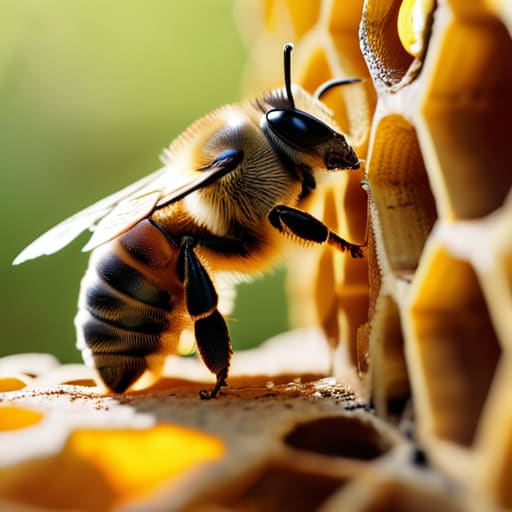
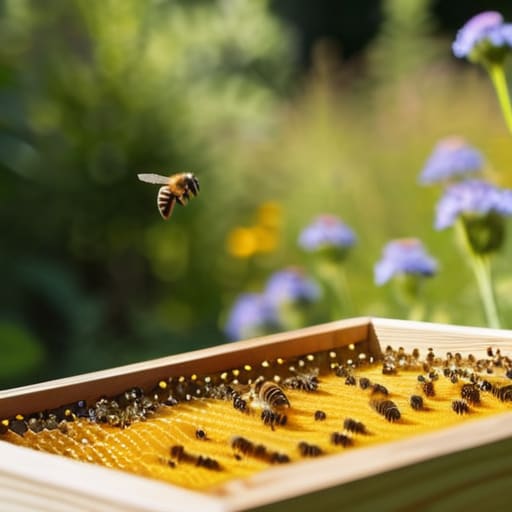
When we talk about Apis mellifera, we aren’t just talking about a bug; we’re talking about a highly managed, social powerhouse. Unlike the solitary bees I spend my afternoons tracking in hedgerow margins, honeybees operate as a single, massive superorganism. They live in these incredibly complex, temperature-controlled hives, which is a world away from the solitary bee life cycles where a single female does everything from digging a hole in the soil to hunting for pollen. Because they are so efficient at being a “team,” they can scale up their numbers in ways a single Mason bee simply can’t.
However, that efficiency is exactly where the conservation debate gets messy. Because managed honeybee colonies are often placed in high densities to support commercial pollination, they can inadvertently shift the local balance. It isn’t a simple case of “bees are good, honeybees are bad,” but we have to look at resource competition in ecosystems. If a massive swarm of honeybees moves into a patch of wildflowers, they might inadvertently out-compete the local, specialist pollinators that have evolved to live in that specific niche. It’s a nuance that most headlines skip, but it’s the difference between a healthy ecosystem and one that’s just being temporarily “serviced.”
Decoding Foraging Behavior Differences in the Field
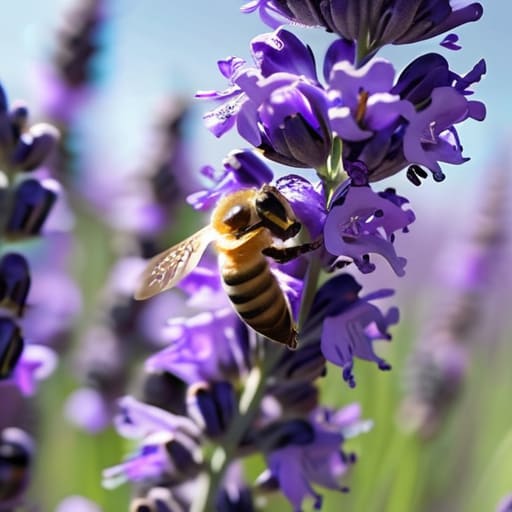
When I’m out on a transect, the most striking thing isn’t just what I see, but how they move. If you watch a Apis mellifera (the common honeybee), they move with a kind of frantic, industrial purpose. They are social foragers, meaning they are part of a massive, coordinated machine. Once a scout finds a patch of lavender, the whole crew follows. This creates a concentrated “pulse” of activity on specific flowers.
In contrast, when I spot a Bombus terrestris (buff-tailed bumblebee) or a solitary mason bee, the rhythm changes entirely. They don’t have a hive to report back to in the same way, so their movements feel more individualistic and scattered. This leads to significant foraging behavior differences that dictate how they use a landscape. While honeybees are incredible at harvesting large amounts of nectar quickly, they can inadvertently create a “monoculture” effect in a garden. This is where the real question of resource competition in ecosystems comes in; if a massive colony of managed bees descends on a single flowering hedge, they might inadvertently strip the nectar before the more localized, solitary species even have a chance to get started.
How to Actually Help (Without Accidentally Making Things Worse)
- Stop thinking of “bees” as a monolith. When you’re buying seeds, look for “generalist” nectar sources. While Apis mellifera (the honeybee) is a highly efficient, specialized forager, many of our wild solitary bees have much shorter flight ranges and need specific flower shapes to actually reach the nectar.
- Manage your “wild” space with a bit of mess. Honeybees thrive in high-density floral environments, but many wild species—like certain Andrena species—need undisturbed soil to nest. If you tidy up every patch of bare earth or mulch every inch of your garden, you’re essentially evicting the very pollinators we’re trying to save.
- Be wary of the “more is better” trap with managed hives. Adding a massive, booming honeybee colony to a small garden doesn’t necessarily mean more pollination; it can actually create competition. If the floral resource is limited, those honeybees might outcompete the local wild bees for the best nectar, leaving the specialists struggling.
- Plant for the season, not just the “bloom.” We often see beautiful summer displays, but the data shows that the most critical gaps for wild bees are often in early spring or late autumn. Honeybees are incredibly resilient and can be sustained by managed feeding, but a wild bee that emerges in a nectar-poor April is simply out of luck.
- Rethink your “pest” mindset. You’ll see honeybees everywhere because they are incredibly visible and social, but the real work is often being done by the tiny, solitary bees you can barely see. Don’t let the sheer volume of honeybees convince you that your garden is a thriving ecosystem if you aren’t seeing the diversity of wild species that actually indicate ecological health.
The Bottom Line for Your Garden
Stop treating honeybees as the “default” pollinator; they are essentially livestock, whereas wild bees are the specialized, local workers that actually drive ecosystem resilience.
Competition isn’t a myth, but it’s often misunderstood—a massive managed hive can out-compete local solitary bees for a single patch of lavender, so diversity in floral timing matters more than just “planting flowers.”
Conservation isn’t about picking a side in the honeybee vs. wild bee debate, but about moving away from a one-size-fits-all mindset and recognizing that a healthy landscape needs both managed stability and wild, messy unpredictability.
Beyond the Buzz
When we strip away the headlines, the distinction is clear: honeybees (Apis mellifera) are essentially high-performance livestock, while wild bees are the specialized, often overlooked architects of our local ecosystems. We’ve spent a lot of time discussing how honeybees operate as a single, massive superorganism, but that is fundamentally different from how a solitary Osmia rufa—the red mason bee—navigates a single blossom. One is a managed tool for pollination; the others are the unmanaged backbone of biodiversity. If we keep conflating the two, we risk thinking that a single hive in a backyard is a “win” for nature, when in reality, we need the messy, unpredictable variety of wild species to ensure long-term ecological resilience.
So, what do we actually do with this information? It isn’t about choosing sides or deciding which bee is “better.” It’s about recognizing that a garden full of managed hives is not a substitute for a landscape that supports wild, native pollinators. If you want to move the needle, stop looking for the easiest way to “save the bees” and start looking for the ways to save the habitat. Plant the native perennials, leave the bare soil for the ground-nesters, and let the margins grow a little wild. We don’t need more headlines; we need more space for the specialists to actually exist.
