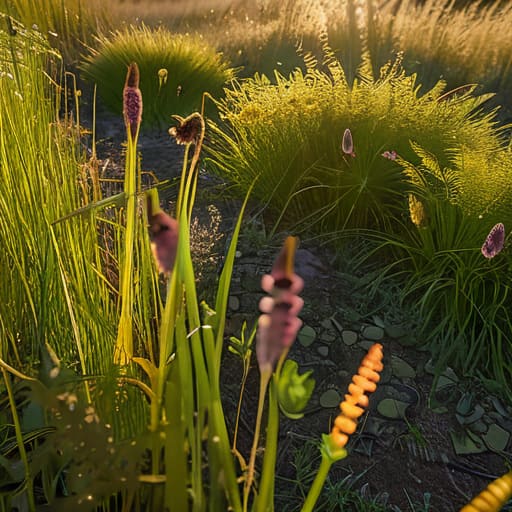
I was standing knee-deep in a sodden, waist-high tangle of coarse grasses last July, trying to count Bombus terrestris while my boots slowly suctioned into the mud, when it hit me: we talk about “rewilding” and “management” as if they are these grand, abstract concepts. Most people think that if you just let a few cows loose, you’ve solved the biodiversity crisis, but that’s a massive oversimplification. The reality of how grazing shapes grassland isn’t found in a glossy brochure; it’s in the messy, uneven way an animal actually moves through a field. If the timing is off or the stocking density is wrong, you aren’t creating a meadow—you’re just making a very expensive, very uniform lawn that serves almost no one.
I’m not here to sell you on the idea that any animal in a field is a magic wand for nature. Instead, I want to look at what the actual surveys tell us about the relationship between livestock and the tiny creatures that depend on them. We are going to move past the headlines and look at the specific mechanics of how grazing pressure affects plant architecture and insect niches. I’ll tell you where the evidence is solid and where we are still mostly just guessing, so you can stop chasing conservation myths and start understanding the real landscape.
Table of Contents
Grazing Intensity and Biodiversity Why More Isnt Always Better
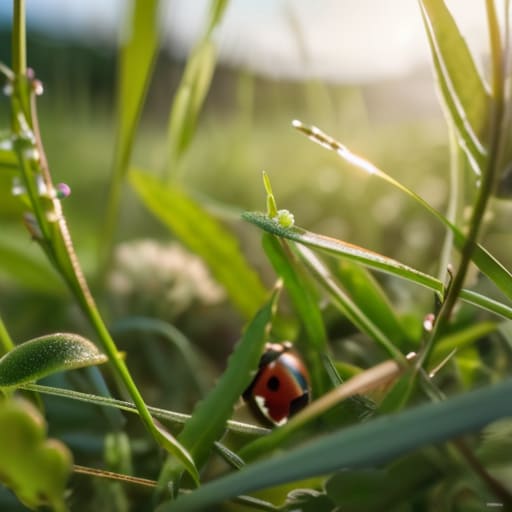
The problem with the “more is better” approach to livestock is that it ignores the actual architecture of the field. When we talk about grazing intensity and biodiversity, the conversation often gets stuck on how many animals are in a paddock, rather than how they actually interact with the flora. If you leave too many mouths in one spot for too long, you aren’t “managing” the land; you’re just compacting it. High-intensity, continuous grazing tends to favor a handful of aggressive, grazing-tolerant species, which effectively homogenizes the landscape. You lose the structural complexity that insects—especially the ones I spend my rainy afternoons counting—actually need to survive.
To get it right, we have to look at vegetation structure and sward height. A healthy grassland isn’t a flat, green carpet; it needs patches of tall, ungrazed tussocks alongside shorter areas. This variation is what creates the microclimates necessary for different life stages of pollinators. This is why rotational grazing benefits are so much more effective than constant pressure. By moving animals through, you allow for periods of recovery where plants can actually set seed, ensuring the next generation of the plant community isn’t just eaten before it can even begin.
Vegetation Structure and Sward Height the Real Drivers of Diversity
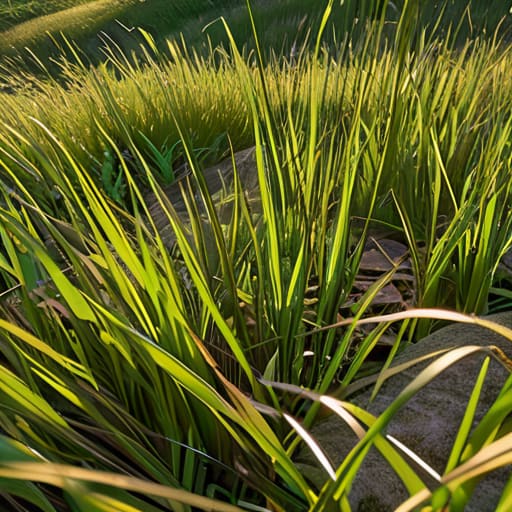
If you want to understand why one field is a botanical treasure trove and the next is a monoculture of coarse grasses, you have to look at the architecture of the field itself. We talk a lot about the animals, but the real magic happens in the vegetation structure and sward height. It isn’t just about whether a cow is present; it’s about the micro-topography created by their movement. When grazing is managed well, you get a mosaic of heights—patches of short, grazed turf right next to tussocks of long, ungrazed grass. This structural variety is what actually provides the niches required for different life stages of insects and invertebrates to survive.
This is where the herbivore impact on plant community becomes visible to the naked eye. If the sward is uniform—either all clipped short or all overgrown—you lose the specialist species that rely on those specific transitions. A field with varied height provides shelter from the wind for a tiny beetle and sun-warmed patches for a foraging pollinator. Without that physical complexity, the ecosystem becomes functionally flat, regardless of how many “species-rich” plants you think you’ve planted.
Beyond the "Set and Forget" Mentality: 5 Ways to Actually Use Grazing
- Stop aiming for a uniform carpet of grass. If your field looks like a golf course, you’ve failed the insects; you need “structural heterogeneity,” which is just a fancy way of saying you need patches of long, tussocky grass right next to short, grazed areas to give different species a place to hide and feed.
- Watch the timing, not just the headcount. It isn’t just about how many cattle are in the field, but when they are there; if you graze during the peak flowering window for your local wildflowers, you’re essentially cutting the buffet before the guests arrive.
- Prioritise “patchy” grazing over continuous pressure. The goal isn’t to have every square inch grazed to the same height, but to allow some areas to escape the nibbling entirely, creating those vital micro-climates that more sensitive invertebrates need to survive a cold night.
- Don’t ignore the dung. It sounds unglamorous, but dung is a high-stakes ecosystem in itself; if you graze too intensely or remove it too quickly, you lose the specialized beetles that rely on it, and those beetles are a massive part of the nutrient cycle.
- Measure what actually matters. Don’t just count the number of animals you’ve put in; start looking at the sward height and the floral diversity in the margins, because the data shows that a “managed” field is only successful if the plant community actually has the space to breathe.
What to actually look for when you're standing in a field
Stop obsessing over the number of animals in the field and start looking at the architecture of the plants; it’s the uneven heights and the “messy” patches of tall grass that create the microclimates insects actually need to survive.
Beware the “one size fits all” approach to grazing intensity; a management plan that works for a specific set of cattle might accidentally strip away the very floral resources a local pollinator population depends on.
Accept that “perfectly managed” is often a synonym for “ecologically stagnant”—real biodiversity thrives in the structural chaos that happens when grazing is inconsistent rather than constant.
Moving Beyond the Grazing Binary
If we take anything away from the data, it should be that grazing isn’t a simple ‘on or off’ switch for biodiversity. We can’t just declare a field ‘managed’ because a few sheep walked through it last Tuesday. The reality is far more nuanced; it is the spatial and temporal variation—the messy, uneven patches of long grass left next to short, grazed tufts—that actually creates the structural complexity insects and plants need to survive. We have to stop looking for a single magic number for stocking density and start looking at how the landscape actually feels underfoot, focusing on how grazing creates a mosaic of microhabitats rather than a uniform green carpet.
Ultimately, conservation isn’t about achieving a static, picture-perfect meadow that looks like a postcard; it’s about embracing the controlled chaos of a living system. When we move away from the impulse to over-simplify these complex ecological interactions, we give ourselves a much better chance of actually protecting what’s left. It requires us to be patient with the process and precise with our management, but that is how we build resilience. We don’t need more headlines claiming we’ve ‘saved the grassland’; we need more field margins that actually work.
