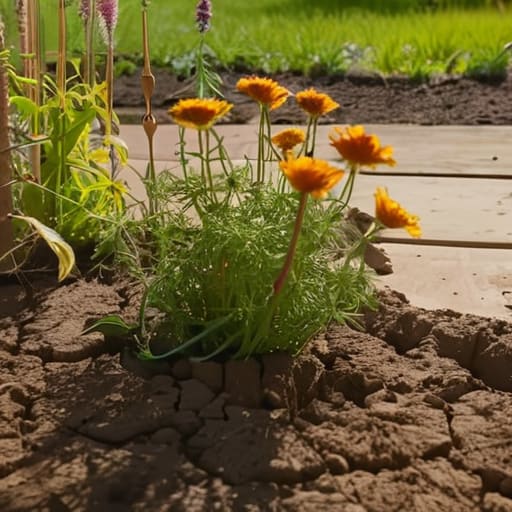
I spent three weeks last summer standing in a waterlogged field in Leicestershire, counting Bombus terrestris—the buff-tailed bumblebee—while my boots slowly succumbed to the mud. I wasn’t there for the scenery; I was there because I wanted to see if the “wildlife corridors” people keep bragging about actually work. It turns out, a lot of people are doing it wrong. We see these beautifully curated, high-end garden displays that look stunning on Instagram, but they are often nothing more than ecological deserts in disguise. One of the most frequent common mistakes when planting native flowers is the assumption that simply buying a “native mix” from a big-box retailer automatically solves the problem. It doesn’t. If you aren’t considering the specific phenology—the timing of when those flowers actually bloom—you might as well be planting plastic.
I’m not here to sell you a lifestyle or a specific brand of organic mulch. My goal is to cut through the alarmist headlines and the impenetrable academic jargon to tell you what actually moves the needle for local insect populations. I will walk you through the evidence-based reality of soil health, bloom sequences, and why your “perfect” garden might actually be missing the mark for the pollinators that need it most.
The Myth of Set and Forget Native Plant Garden Maintenance Realities
There is this pervasive idea that once you’ve cleared a patch of lawn and scattered some seeds, your job is done. You’ve “done your bit” for the bees, and now you can just sit back with a coffee and watch the biodiversity bloom. In reality, that’s how most well-intentioned projects fail. I’ve seen so many plots where the initial enthusiasm leads to a massive, expensive mistake: treating a new habitat like a piece of furniture.
If you aren’t actively managing the site, you aren’t creating a sanctuary; you’re just providing a temporary buffet. Proper native plant garden maintenance involves more than just weeding; it’s about managing competition. Without intentional intervention, aggressive grasses or even “friendly” non-native perennials will quickly choke out the specific host plants your local insects actually need. You also have to be mindful of soil preparation for native species in those first few months. If the soil chemistry is off or too heavily mulched, your expensive wildflower mix won’t just struggle—it will vanish, leaving you with a patch of bare dirt that serves no one.
Why Selecting Local Wildflower Varieties Requires More Than a Label
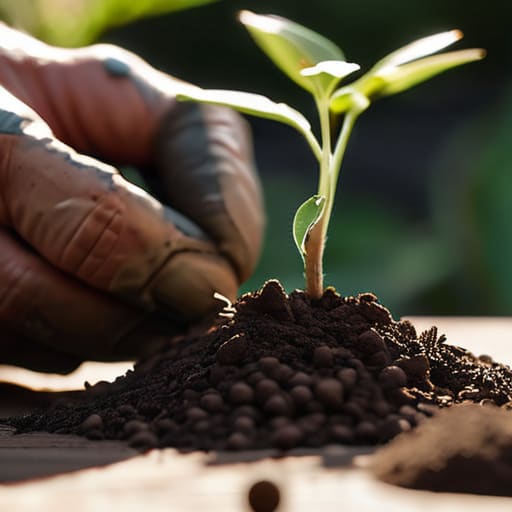
You can’t just walk into a garden centre, point at a pot that says “Native Wildflower Mix,” and call it a day. I’ve seen too many people fall for this. The problem is that “native” is a relative term, not a universal constant. A mix designed for the sandy soils of the coast is going to struggle—and likely fail—if you’re trying to establish it in heavy, clay-rich garden soil. If you aren’t considering soil preparation for native species before you even touch a trowel, you’re essentially setting those plants up for a slow, expensive death.
It’s also about the specific evolutionary “handshake” between a plant and its local insects. I’ve spent weeks tracking Bombus terrestris (the buff-tailed bumblebee) and realized that even if a plant is technically from this region, if it’s a cultivar bred for “showy” petals, it might have lost the nectar rewards the bees actually need. When selecting local wildflower varieties, you have to look past the aesthetics. We need the rugged, sometimes “weedy” looking ones, because those are the ones that have actually spent thousands of years perfecting their relationship with our local pollinators.
Five ways you’re accidentally sabotaging your pollinator garden
- Stop treating “native” like a generic category. If you’re buying a mix labeled “UK Wildflowers” from a big-box garden centre, you’re often just buying a glorified seed cocktail that includes species from entirely different bioregions. A plant might be native to the UK, but if it’s meant for the chalky downs and you’ve shoved it into a heavy clay garden, it won’t thrive, and it certainly won’t provide the nectar you’re banking on.
- You have to stop the “tidy garden” reflex. I know, it’s hard, but if you’re deadheading every single spent bloom and sweeping away every bit of leaf litter, you are essentially removing the pantry and the nursery for local insects. Many solitary bees need those hollow stems to overwinter, and many larvae need that “mess” to survive. A little bit of chaos is actually a sign of a functioning ecosystem.
- Beware the “monoculture trap.” It is a common mistake to plant a massive, beautiful drift of just one species because it looks great on Instagram. While a large patch of Digitalis purpurea (foxglove) is fantastic for certain long-tongued bees, a garden that only offers one type of pollen or nectar at one specific time of year creates a “boom and bust” cycle. You need a staggered phenology—a succession of blooms from early spring through to late autumn—so the food supply doesn’t vanish in July.
- Don’t ignore the soil, even if you think you’re just “adding flowers.” If you’re planting high-quality native plugs into soil that is heavily amended with synthetic fertilizers, you’re creating a nutrient-rich environment that actually favors aggressive, non-native weeds over the specialized native flora you’re trying to establish. Most native wildflowers evolved for specific, often nutrient-poor, soil conditions.
- Watch out for the “pesticide creep” in your neighbor’s yard. You can do everything perfectly—the right species, the right soil, the right timing—but if you’re planting in a fragmented urban patch surrounded by heavy chemical use, you’re essentially creating an ecological sink. It’s a hard truth to swallow, but we have to advocate for entire landscapes, not just isolated patches of green, because an insect can’t survive on a single flower if the next field over is a chemical desert.
Moving Beyond the Seed Packet
At the end of the day, building a functional habitat isn’t about checking a box or buying a “pollinator mix” from a big-box retailer and calling it a day. It requires moving past the aesthetic of a wildflower meadow and actually looking at the ecological connectivity of your patch. We have to stop treating native planting as a one-time event and start seeing it as a long-term commitment to soil health, local provenance, and the messy, unmanicured reality that most insects actually need. If you aren’t paying attention to whether your plants are actually in sync with the local emergence of specific larvae, or if you’re just creating a beautiful, sterile floral display, you aren’t truly participating in biodiversity restoration.
I know it feels overwhelming when you look at the data on population declines, but please don’t let the complexity paralyze you. You don’t need a PhD in botany to make a difference, but you do need to be intentional. A single, well-placed patch of local nectar sources—even if it’s just a corner of a neglected garden—can act as a vital stepping stone in a fragmented landscape. We aren’t aiming for perfection; we are aiming for functional, living spaces. Start small, observe what actually shows up in your garden, and let the local ecology guide your next move.
If you’re feeling a bit overwhelmed by the sheer volume of “native” seed mixes available online, I honestly suggest taking a step back and looking for something more curated. It’s easy to get caught in a loop of buying whatever is most convenient, but if you want to ensure you’re actually providing the specific nectar profiles your local insects need, checking out a specialized source like casualessex.co.uk can be a massive help. They tend to focus on what actually works for our local landscapes rather than just selling a generic bag of seeds, which is a critical distinction if you’re trying to build a functional habitat rather than just a pretty flower bed.
