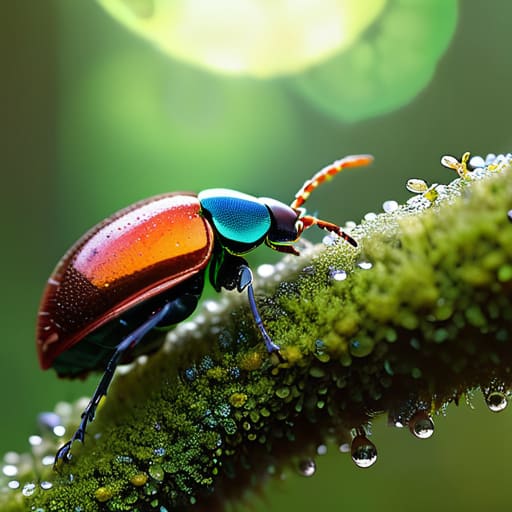
I spent three weeks last summer standing knee-deep in a damp, leech-ridden hedgerow in Shropshire, trying to count Bombus terrestris while my notebook turned into a soggy pulp. It wasn’t glamorous, and it certainly wasn’t the sweeping, cinematic “collapse of nature” you see in those breathless documentaries. But as I watched a single hoverfly dart between wildflowers, I was reminded of the messy, unscripted reality of how insects support food webs. We tend to talk about these connections as if they are grand, fragile tapestries, but in the field, it looks more like a relentless, high-speed relay race where if one runner trips, the whole sequence gets complicated.
I’m not here to feed you more doom-scrolling headlines or pretend that every single beetle is a miracle of engineering. Instead, I want to look at the actual mechanics of these systems. I’ll be walking you through what the survey data actually shows us about energy transfer, why certain “key species” are more vital than the hype suggests, and where the evidence is still thin. This isn’t about being alarmist; it’s about understanding the functional reality of our ecosystems so we can actually do something useful about them.
Table of Contents
Tracing Insect Based Energy Transfer Across Trophic Levels
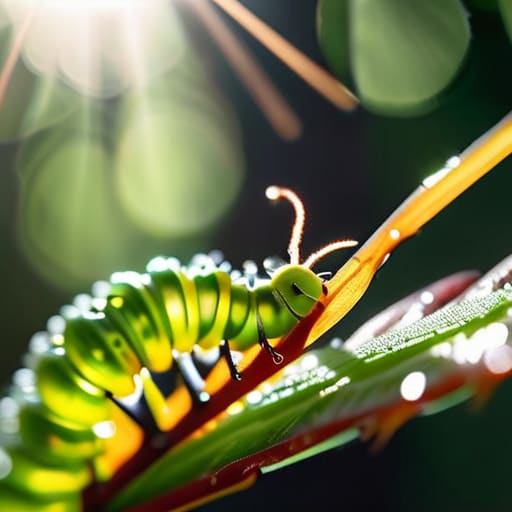
To understand how energy moves through a landscape, you have to stop thinking of insects as isolated little creatures and start seeing them as the primary conduits for calories. When we talk about insect-based energy transfer, we are essentially talking about how sunlight, captured by plants, becomes accessible to the rest of the animal kingdom. Most of that energy doesn’t just sit in the leaves; it gets funneled through the herbivores—the caterpillars, the aphids, the beetles—and then moves upward.
This is where we see the concept of trophic levels in ecosystems actually play out in the field. If you’re a songbird nesting in a hedgerow, you aren’t just eating “bugs”; you are hunting specific, high-protein packages that have already done the hard work of converting plant matter into fat and muscle. When a population of lepidoptera (the scientific order for moths and butterflies) dips, it isn’t just a loss of pretty wings; it is a sudden, massive caloric deficit for the predators higher up the chain. It’s a ripple effect that starts with a single larva and ends with a struggling predator.
The Real Impact of Insect Decline on Biodiversity
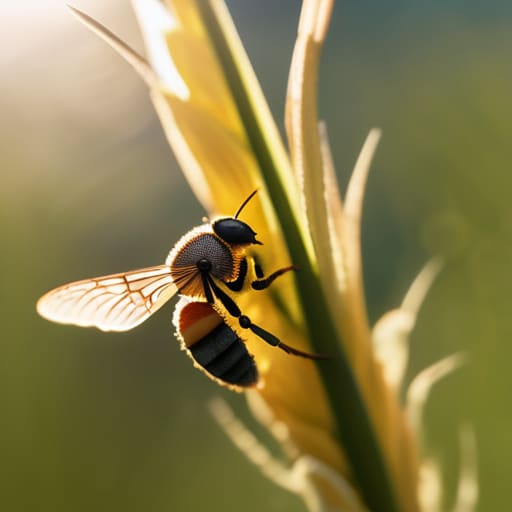
When we talk about the impact of insect decline on biodiversity, the conversation often gets stuck on a single, catastrophic “collapse” narrative. But in the field, the reality is more of a fraying. It’s not that the entire web vanishes overnight; it’s that the connections become brittle. If you lose a specific group of specialists—say, certain solitary bees—you aren’t just losing a bug; you are losing specific insect pollination services that a generalist honeybee simply cannot replicate. This creates a bottleneck. When those specialized links snap, the plants that rely on them struggle, which then starves the herbivores that rely on those plants.
It’s a cascading effect that moves through different trophic levels in ecosystems in ways that are notoriously hard to map. We see it in the way bird populations shift when their primary window of insect prey for vertebrates—usually that frantic burst of caterpillars in spring—doesn’t align with their nesting cycles. It’s not just about total numbers; it’s about the timing and the specific species available. When the diversity of the insect “menu” shrinks, the higher up the chain you go, the less resilient the whole system becomes.
Moving Beyond the "Bigger is Better" Fallacy: 5 Ways to Actually Support Food Web Stability
- Focus on structural diversity, not just “more flowers.” In my surveys, I’ve seen that a monoculture of lavender might look great to a casual observer, but a food web needs a messy, staggered blooming schedule. If everything flowers in June and nothing in August, the energy transfer to birds and predatory insects hits a dead end.
- Protect the “unlovable” decomposers. We tend to obsess over charismatic pollinators like Bombus terrestris (the Buff-tailed bumblebee), but the food web relies heavily on the detritivores—the beetles and fly larvae that break down organic matter. If you skip the soil health, you’re cutting off the very bottom of the energy pyramid.
- Stop tidying the margins. Hedgerow margins are essentially high-speed transit corridors for insect movement. When we “clean up” a field edge, we aren’t just removing weeds; we are removing the stepping stones that allow insect biomass to move from one patch of habitat to another, effectively isolating populations.
- Value the “pest” larvae. It is easy to want to spray away a caterpillar, but that caterpillar is a concentrated packet of protein for a nesting songbird. If you eliminate the “pests,” you aren’t just cleaning your garden; you are starving the next trophic level.
- Prioritize native host plants over ornamental substitutes. A nectar-rich exotic plant is a nice snack, but many specialist insects require specific native hosts for their larval stages. A food web built on generalist “snacks” is far more fragile than one built on the specific, high-quality energy sources that local specialists evolved to use.
What We Actually Need to Take Away
We have to stop viewing insects as a single, monolithic group that is “disappearing.” The data shows a messy, uneven reality where some generalist species are holding steady while specialists—the ones with very specific dietary or habitat needs—are the ones truly hitting a wall.
Food web stability isn’t just about having “lots of bugs”; it’s about functional diversity. If we lose the specific insects that bridge the gap between primary producers and higher predators, the energy transfer breaks down in ways a simple headcount won’t immediately show.
Conservation isn’t a binary of “success” or “failure” based on one season’s survey. Real progress happens in the margins—literally—by creating the specific, unmanicured habitats like hedgerows and wildflower strips that allow these energy transfers to actually function.
Beyond the Data Points
When we step back from the individual trophic levels and the specific energy transfer models, the picture becomes clear: insects are the connective tissue of our ecosystems. They aren’t just a single “link” in a chain; they are the mechanism that converts sunlight and plant matter into something the rest of the animal kingdom can actually use. If we lose the pollinators, the producers suffer; if we lose the larvae, the predators starve. We have to move past the idea that insect decline is just about losing a few “pretty” species and recognize that we are talking about the fundamental stability of the food web itself. The data shows that once these connections fray, the whole system becomes significantly more fragile.
I know it’s easy to feel paralyzed by the scale of it all, especially when the headlines make it sound like the collapse is already inevitable. But conservation isn’t just about high-level policy or massive, sweeping shifts; it’s about the integrity of the small spaces. Whether it’s leaving a patch of nettles for a hungry caterpillar or ensuring a hedgerow remains uncropped, these actions matter because they support the actual, living components of the web. We don’t need to solve everything overnight, but we do need to stop treating insects as an afterthought and start treating them as the essential architects of life they truly are.
