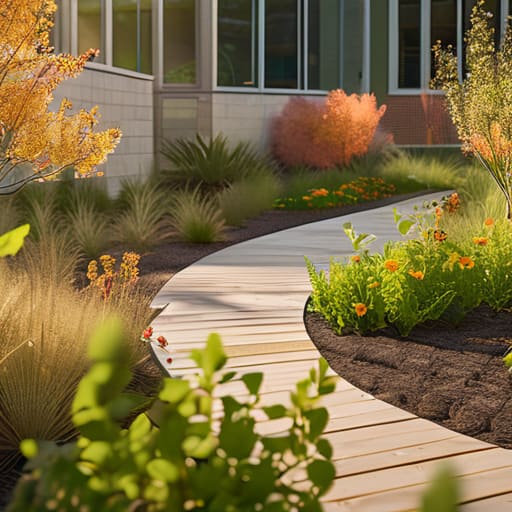
I remember standing in a muddy schoolyard three years ago, clutching a clipboard and watching a teacher try to explain “biodiversity” to a group of Year 4s using a laminated poster of a pristine rainforest. It was heartbreakingly disconnected. We’ve been sold this idea that environmentalism has to be a massive, expensive capital project—like building a high-tech “eco-hub” or installing solar panels—when the real question of how schools can contribute is actually much smaller and, frankly, much messier. We don’t need more polished presentations; we need to stop treating nature like a museum exhibit and start treating it like a living, breathing, sometimes slightly gross part of the curriculum.
I’m not here to pitch you a list of expensive “green” gadgets that will just end up gathering dust in a shed. Instead, I want to talk about what actually moves the needle for local insect populations, from the way we manage the edges of a playing field to how we handle the school’s “tidy” garden aesthetic. I’ll be sharing what I’ve learned from years of field surveys about practical, low-cost interventions that work, and I’ll be honest about when a particular project is just performative rather than ecologically useful.
Table of Contents
Green School Programs and Benefits That Actually Scale
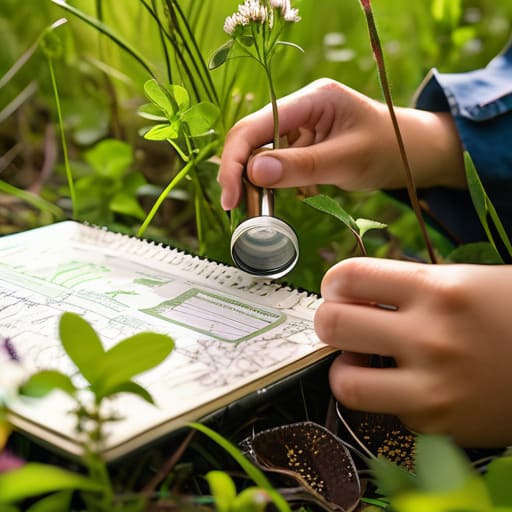
Most schools approach green initiatives by planting a single, isolated flowerbed and calling it a day. That’s not a program; it’s a decoration. If we want to see real results, we have to move toward school campus environmental management that actually functions as a living laboratory. This means shifting from “look at this pretty garden” to “let’s map the invertebrate diversity in this specific patch of clover.” When students participate in long-term monitoring, they aren’t just performing student involvement in community service; they are learning that data is messy, seasonal, and incredibly important.
The real power of these green school programs and benefits lies in their ability to scale through consistency. A single butterfly garden is nice, but a network of interconnected “stepping stone” habitats across several school grounds creates a corridor that insects can actually use to move through a fragmented landscape. We need to move past the performative stuff and focus on ecological connectivity. It’s about creating spaces where a student can track the arrival of a specific species of solitary bee over three years, turning a simple schoolyard into a vital piece of the local biodiversity puzzle.
Moving Past Surface Level Educational Sustainability Initiatives
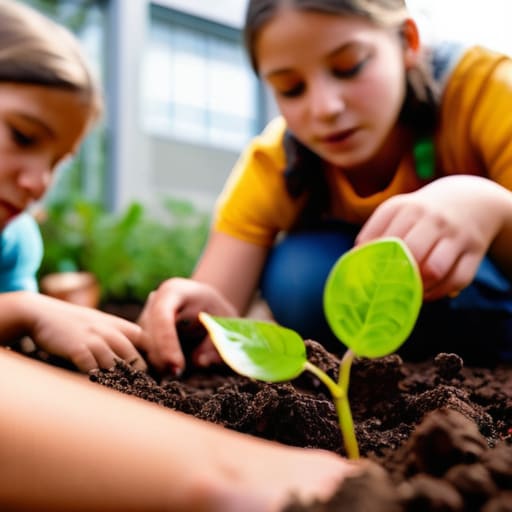
Most educational sustainability initiatives I see in schools follow a predictable, slightly hollow pattern: a single recycling bin in the hallway and a poster about saving electricity. While those things matter, they don’t actually teach kids how an ecosystem functions. If we want to move the needle, we have to move beyond these performative gestures and integrate actual ecological literacy into the school day. This means shifting from passive awareness to active, messy participation in the biology happening right outside the classroom window.
Instead of just talking about “nature,” we should be looking at school campus environmental management as a living laboratory. This could mean replacing a patch of mown, sterile lawn with a wildflower strip that actually supports a pollinator waystation. When students are tasked with recording which bees visit which flowers, they aren’t just “doing science”—they are learning that data is often granular, seasonal, and occasionally frustrating. It’s about moving away from the polished, perfect diagrams in textbooks and showing them that real conservation is built on consistent, small-scale observation.
Five ways to turn a schoolyard from a sterile patch of grass into a functional ecosystem
- Stop aiming for “manicured” and start aiming for “messy.” A perfectly mown lawn is essentially a green desert for most pollinators. If a school can designate even one corner of a field or a strip along a fence to be left alone—letting the grasses grow long and the weeds like Achillea millefolium (Yarrow) take hold—they are creating much more value than they would with a tidy, pesticide-free lawn.
- Move beyond the single-season garden. Most school gardening projects focus on spring flowers, but if we want to support stable insect populations, we need a continuous nectar bridge. This means planting for late-season specialists; if the school garden is empty by August, the local pollinators have nothing to fuel their final life stages.
- Prioritize “micro-habitats” over large-scale landscaping. You don’t need a massive budget to make a difference; you need structure. A pile of decaying logs, some bare soil patches for solitary bees to nest in, and a few stone piles provide the physical architecture that insects actually need to survive the winter.
- Teach the data, not just the feeling. Instead of just having kids “look at bugs,” get them involved in actual citizen science. Use apps like iNaturalist or follow standardized transect counts. When students learn that a “lack of bees” might actually just be a “lack of observation,” they develop a much more sophisticated understanding of ecology than a textbook can provide.
- Manage the chemical footprint with actual scrutiny. It’s not enough to say a school is “organic”; we need to look at the maintenance contracts. If the groundskeeping crew is using broad-spectrum insecticides to manage “pests,” they are inadvertently dismantling the very food web the biology department is trying to study.
The Real-World Impact: Three Things to Remember
Stop chasing “aesthetic” green spaces and start building functional ones; a manicured lawn with a single birdbath does nothing for a specialist pollinator, but a messy, un-mown corner of a school field can become a vital stepping stone in a local habitat corridor.
Data is more valuable than a tidy garden; when students participate in actual citizen science—even if their moth counts are a bit messy or their identification is shaky—they learn that ecology is about observing what is actually there, not what a textbook says should be there.
Avoid the “one-and-done” trap of seasonal projects; biodiversity doesn’t work on a school term schedule, so we need to move away from single-day planting events and toward long-term, low-maintenance management that survives the summer holidays.
Moving from Posters to Populations
We’ve spent this time looking at how schools can move past the performative stuff—the glossy recycling posters and the one-off “nature days” that don’t actually change anything. Real impact happens when we stop treating biodiversity as a side project and start treating it as a long-term, messy, and incredibly rewarding data set. Whether it’s converting a patch of manicured lawn into a functional wildflower margin or setting up a student-led monitoring program that tracks species year after year, the goal isn’t perfection. It is about building ecological continuity within the school grounds so that the habitat actually survives the summer holidays.
At the end of the day, I don’t need schools to solve the entire global pollinator crisis by next Tuesday. I just need them to stop seeing the “weeds” in the playground as a maintenance problem and start seeing them as a vital resource. When a student realizes that a common Bombus terrestris—the buff-tailed bumblebee—is actually visiting the clover they planted, the science stops being a headline and starts being a reality. If we can teach kids that meaningful conservation is found in the small, consistent work of tending to a patch of dirt, we aren’t just saving insects; we are raising a generation that actually knows how to look at the world.
