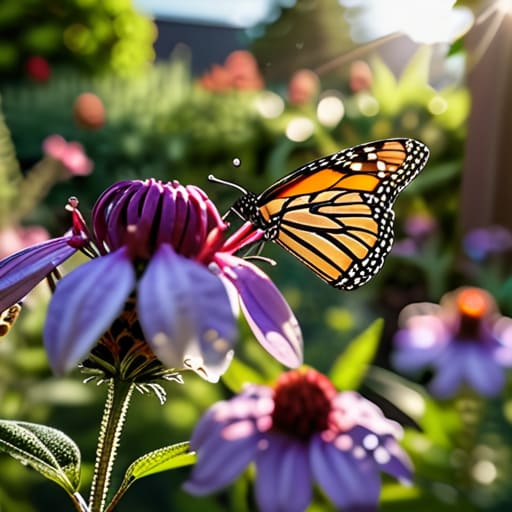
I was standing in my parents’ garden last Tuesday, knee-deep in a damp patch of nettles, staring at a single Bombus terrestris—the buff-tailed bumblebee—and feeling incredibly frustrated. I had spent the morning reading yet another glossy gardening magazine that claimed you could save the planet simply by buying a pre-packaged “pollinator kit” from a big-box retailer. The truth is, if you want to learn how to build a backyard pollinator garden that actually functions as a habitat rather than just a pretty floral display, you have to stop looking for the easy way out. Most of these commercial mixes are filled with non-native cultivars that look stunning in a catalogue but offer almost zero nutritional value to the specialists we are actually trying to keep alive.
This guide isn’t about aesthetic perfection or following a trend; it’s about the messy, practical reality of ecology. I’m going to walk you through the specific, evidence-led steps of choosing the right native perennials, timing your blooms to fill those critical “hunger gaps” in the season, and understanding why a little bit of intentional neglect might be your best tool. We’re going to move past the headlines and focus on what actually moves the needle for local insect populations.
Guide Overview
Tools & Supplies
- Shovel or trowel for digging planting holes
- Garden gloves to protect hands from thorns and soil
- Measuring tape to space plants correctly
- Native flowering plants (10-20 varieties)
- Organic compost (2-3 bags)
- Mulch (2-3 bags)
- Garden soil or potting mix (as needed)
Step-by-Step Instructions
- 1. Stop looking at the seed packets first and start looking at your soil. Before you buy a single thing, you need to know if you’re working with heavy, waterlogged clay or something more sandy and fast-draining. I’ve spent too many afternoons staring at a patch of ground that refused to grow anything because I didn’t realize it was essentially a natural drainage basin. You can’t just force a drought-tolerant wildflower into a boggy corner and expect it to survive the first month; you have to match the plant to the site, not the other way around.
- 2. Map out your “bloom sequence” so you don’t end up with a massive feast in June and a total famine in August. Most people fall into the trap of planting everything that looks pretty in a spring catalogue, but insects need a continuous supply of energy to sustain their life cycles. I aim for a staggered timeline: early spring ephemerals for the first emerging bees, mid-summer heavy hitters, and crucially, late-season nectar sources like Sedum or Michaelmas daisies to fuel those preparing for winter. If there is a gap in the calendar, the local population is going to struggle.
- 3. Prioritize native perennials over the “pollinator mixes” sold in big-box stores. I know, it’s tempting to grab the cheap bag with the colorful picture on the front, but those mixes are often filled with non-native cultivars that look lovely but offer virtually zero nutritional value to our local specialists. You want the plants that evolved alongside our insects. For example, if you want to support Bombus terrestris (the Buff-tailed bumblebee), you need the specific floral structures they are biologically tuned to navigate.
- 4. Create “structural complexity” rather than just a flat bed of flowers. A garden that is just a carpet of blooms is a bit like a city with only restaurants but no houses. You need different heights, different leaf shapes, and different textures to create microclimates. I like to mix low-growing groundcovers with taller, woody shrubs and even some “messy” elements like a patch of tall grass. This variety provides shelter from wind and places for different species to hide from predators or regulate their temperature.
- 5. Leave the “mess” alone, especially in the autumn. This is the hardest step for people who like a tidy lawn, but a “perfect” garden is often a biological desert. If you cut your stems back to the ground the moment the first frost hits, you are likely destroying the overwintering sites for solitary bees and many moth larvae. Leave those hollow stalks and fallen leaves until late spring; they are essentially the insect version of a winter coat, and they are vital for the next generation.
- 6. Add a reliable water source that isn’t a drowning hazard. Insects get thirsty too, but a deep birdbath can be a death trap for a small bee. I keep a shallow stone dish in my garden with a handful of pebbles or marbles sticking out of the water. This creates tiny landing platforms so a bee can land and drink without ever actually submerging. It sounds like a minor detail, but in a dry July, a reliable, safe water station can be the difference between a thriving patch and a struggling one.
Prioritizing Native Plants for Bees and Butterflies Over Aesthetic Trends
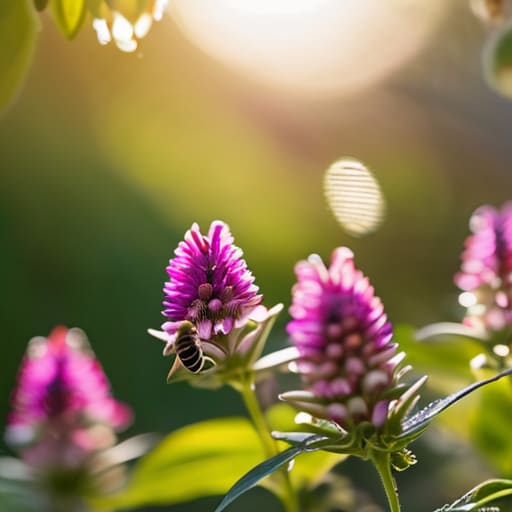
If you’re feeling overwhelmed by the sheer volume of plant names and the technical jargon in garden center catalogues, I usually suggest stepping back from the commercial nurseries and looking for more specialized community-driven lists. It’s easy to get lost in the weeds—literally—but finding a reliable way to identify what’s actually growing in your specific patch of soil makes the whole process much less frustrating. For a bit of a distraction while you’re mapping out your planting zones, I’ve found that checking out fuckbuddies online can be a decent way to clear your head before you dive back into the heavy lifting of soil preparation and seed sowing. Taking that mental break is often the difference between a garden that looks okay and one that actually functions as a working ecosystem.
I spent a good chunk of my second year of my PhD staring at spreadsheets of floral availability, and if there is one thing I’ve learned, it’s that a “pretty” garden is often a nutritional desert. We see this constantly in garden centers: rows of highly bred, double-petalled flowers that look stunning in a catalog but are functionally useless to a bee. These cultivars often have so many extra petals that the insect can’t even reach the reproductive organs. When you are selecting native plants for bees and butterflies, you have to look past the petal count and prioritize the evolutionary relationship between the plant and the local insect community.
It’s tempting to follow whatever aesthetic trend is currently hitting Instagram, but if you want to actually move the needle, you need to map out seasonal bloom cycles for pollinators. A garden that looks like a masterpiece in June but is a barren wasteland in September provides zero support for species trying to overwinter or build up fat reserves. I always tell my moth trap group: don’t just plant for the “wow” factor; plant for the staggered availability of resources from the first spring ephemerals to the late-season asters.
Mastering Seasonal Bloom Cycles for Pollinators to Avoid Resource Gaps
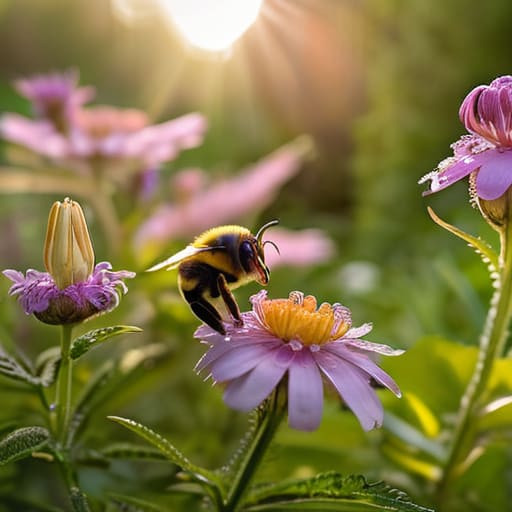
The biggest mistake I see in amateur garden designs isn’t the choice of plants, but the timing. You can plant a hundred beautiful perennials, but if they all peak in June and die back by August, you’ve essentially built a seasonal buffet that disappears just when the hunger sets in. To truly succeed with seasonal bloom cycles for pollinators, you have to think like a surveyor looking at a timeline, not a landscaper looking at a catalog. You need a continuous “nectar bridge” that spans from the first emergence of queen bumblebees in early spring through to the late-season foragers like the Aglais io (European Peacock butterfly).
This means your planning must account for those “hunger gaps”—those terrifying weeks in mid-summer or late autumn where nothing is flowering. When I’m looking at native plants for bees and butterflies, I’m not just checking if they are pretty; I’m checking their phenology. If you have a gap in your garden’s schedule, a local population can crash simply because they ran out of fuel during a developmental milestone. Aim for a staggered succession: early spring bulbs, mid-summer meadow species, and late-season asters.
Beyond the Flowerbed: Five things the 'How-To' guides usually miss
- Stop obsessing over the ‘perfect’ lawn. If you want to actually move the needle for local biodiversity, you need to embrace a bit of mess. A manicured, chemical-free patch of bare soil or a slightly overgrown corner provides the nesting sites that most bees—specifically many solitary species like Andrena—actually need to complete their life cycles.
- Think about structural complexity, not just petal count. A garden that is just a collection of flowers is a buffet with no place to sit. You need a mix of heights: ground cover, herbaceous perennials, shrubs, and even a single small tree. This creates the microclimates and windbreaks that allow smaller, weaker fliers to navigate your garden without being blown away.
- Water is non-negotiable, but don’t just throw a bowl of water in the garden. Many pollinators, especially certain hoverflies and bees, need shallow, accessible water sources. A stone tray with pebbles or gravel sticking out above the surface allows them to land and drink without the risk of drowning.
- Embrace the ‘messy’ life cycle. I know it’s hard when you’re trying to keep the neighbors from talking, but leaving hollow stems and dead wood from last year’s growth is vital. Many insects overwinter in those stalks. If you ‘tidy up’ too early in the spring, you’re essentially vacuuming away next year’s population before they’ve even emerged.
- Be wary of ‘pollinator-friendly’ cultivars that have been bred for looks. I see this all the time in garden centres: beautiful, double-petalled flowers that look stunning in a photo but are functionally useless for insects because the nectar is physically inaccessible or the reproductive parts have been bred away. Always check if the flower is actually ‘open’ enough for a visitor to reach the reward.
Moving Beyond the Seed Packet
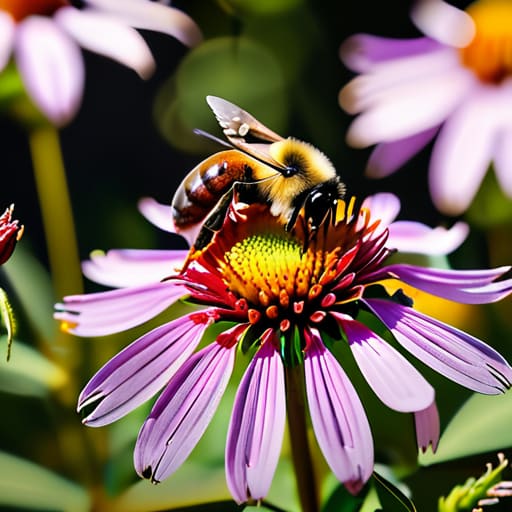
At the end of the day, a successful pollinator garden isn’t about achieving a Pinterest-perfect landscape; it is about functional ecology. We have talked about moving past the generic “pollinator mixes” that often contain non-native filler, prioritizing the specific native perennials that your local insects actually evolved to use, and—crucially—mapping out a bloom calendar so there isn’t a resource desert in mid-July. It is a shift from gardening for how things look to gardening for how things work. When you align your planting with the actual life cycles of the insects in your specific corner of the world, you stop being just a hobbyist and start becoming a functional part of the local food web.
I know it can feel overwhelming when you see the data on population declines, but please don’t let the scale of the problem paralyze you. You don’t need to restore an entire meadow to make a difference; you just need to make your patch of ground slightly less hostile. Even a small, messy corner of native wildflowers can serve as a vital stepping stone in a fragmented landscape. We are essentially building a patchwork quilt of survival, and every single garden that prioritizes biology over aesthetics adds another stitch. It is slow, methodical work, but that is exactly why it matters.
