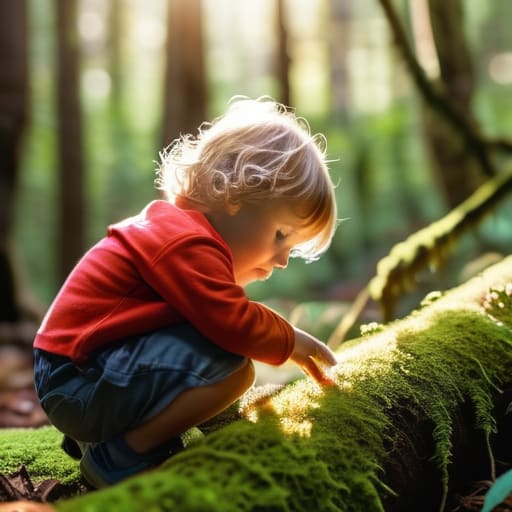
I once spent four hours in a sodden field in mid-October, shivering in waterproof trousers that were doing a mediocre job, just to record the flight patterns of a single species of noctuid moth. It was exhausting, muddy, and entirely unglamorous. Yet, when I see the “nature education” trends online—all about expensive wooden Montessori toys or curated, pristine forest walks—I realize we are doing it all wrong. If you want to know how to introduce children to nature, you have to stop treating the outdoors like a sterile museum exhibit. Real ecology isn’t found in a pristine, manicured park; it’s in the uncomfortable, messy reality of a patch of weeds or a damp log.
I am not here to sell you a lifestyle or a brand of organic binoculars. Instead, I want to talk about what actually works when you stop trying to make it “educational” and start making it real. I’ll be sharing evidence-based ways to foster genuine curiosity, from the tiny macro-worlds under a pebble to the importance of letting kids be appropriately filthy. We won’t be chasing headlines here; we’ll be looking at the small, tangible ways to build a lifelong connection to the living world.
Table of Contents
Moving Past Buzzwords Toward Real Nature Based Learning Activities
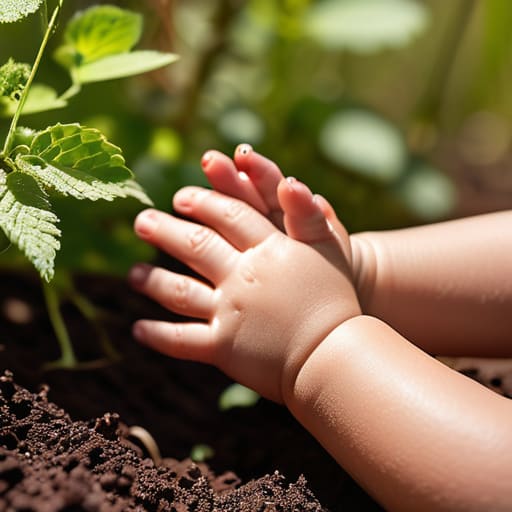
We need to stop treating “nature” as a destination, like a zoo or a manicured park, and start treating it as a messy, unpredictable process. When I talk to parents, they often ask for a list of structured nature-based learning activities, as if there’s a syllabus for a patch of brambles. There isn’t. If we want to actually succeed at teaching kids about wildlife, we have to move away from the “look at this pretty butterfly” model. That’s passive. Instead, we should be leaning into sensory nature exploration—letting them feel the grit of soil under their fingernails or the specific, slightly bitter scent of crushed mint.
The goal isn’t to turn them into mini-ecologists overnight; it’s about building a tolerance for the unpolished parts of the world. Real ecological literacy doesn’t come from a worksheet; it comes from the frustration of a beetle disappearing under a log or the patience required to sit still enough for a hoverfly to land. By prioritizing encouraging environmental stewardship through direct, hands-on interaction, we move past the buzzwords and into something much more durable: a genuine, unshakeable connection to the living world.
Prioritizing Sensory Nature Exploration Over Superficial Sightseeing
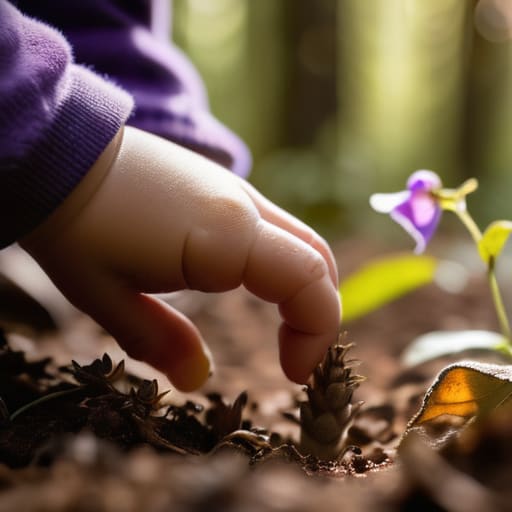
We need to stop treating a walk in the woods like a museum tour where the primary rule is “don’t touch the exhibits.” If you take a child to a park and only focus on identifying a specific bird from a distance, you’re missing the point of how they actually process the world. True sensory nature exploration isn’t about the taxonomical accuracy of their observations; it’s about the damp smell of decaying leaf litter, the specific vibration of a bumblebee’s wings near a foxglove, or the grit of soil under their fingernails. When we prioritize sight alone, we turn nature into a picture book rather than a living, breathing system.
I’ve found that the most effective nature-based learning activities are often the ones that feel like “nothing” is happening. It’s sitting in a patch of long grass for twenty minutes until the kids stop asking “is it over yet?” and start noticing the way a beetle navigates a stem. This kind of quiet, tactile engagement is what builds a genuine connection. We aren’t just teaching them to name things; we are teaching them to feel the complexity of an ecosystem, which is the only real foundation for long-term stewardship.
Stop Curating the Outdoors: Five Ways to Let Kids Actually Experience Biology
- Ditch the “Nature Walk” itinerary. If you treat a walk in the woods like a museum tour where you have to point at specific trees, kids will tune out within ten minutes. Instead, give them a specific, low-stakes mission—like finding three different types of leaf shapes or seeing if they can spot a spiderweb—and let them wander. The goal isn’t to see the “best” things; it’s to notice the things that are actually there.
- Embrace the “unpretty” stuff. We tend to show kids pictures of bright butterflies and colorful birds, but real ecology is often quite brown, crunchy, and damp. If they find a rotting log or a patch of slime mould, don’t shoo them away or call it gross. That’s where the real action is. A decaying stump is a high-rise apartment for beetles and fungi; teaching them to see a resource instead of “trash” is how you build real ecological literacy.
- Use magnifying glasses, not just eyes. There is a massive difference between seeing a “bug” and seeing the segmented abdomen of a Coccinellidae (a ladybird). Giving a child a cheap hand lens changes their entire relationship with the ground. It shifts the scale from a vast, overwhelming landscape to a manageable, fascinating micro-world that they can actually interact with.
- Let them be messy, but explain why. If a kid comes home with mud under their fingernails or grass stains on their knees, you’ve won. But if you can, connect that mess to the science. That mud is a complex matrix of organic matter and microorganisms; those grass stains are just evidence of being in the middle of a primary producer’s habitat. It turns a “cleaning chore” into a tangible connection to the environment.
- Avoid the “Extinction Panic” trap. It is tempting to tell kids how much we’ve lost to motivate them, but constant doom-scrolling in real life just leads to apathy or anxiety. Instead of focusing on what’s disappearing, focus on what is currently surviving in their own backyard. Show them the resilience of a weed growing through a crack in the pavement. We don’t save things we’re afraid of; we save things we actually know and care about.
Making it Stick: From Observation to Action
Ditch the “nature walk” label and aim for messy, unstructured observation; kids don’t need a guided tour of a botanical garden, they need a patch of unmanaged scrub where they can actually see how a beetle interacts with a decaying leaf.
Move beyond the “wow, a butterfly” stage by teaching them to ask specific, evidence-based questions—like why a certain insect is on a specific flower—to build the kind of ecological literacy that survives beyond a single afternoon.
Connect small-scale local observations to the bigger picture without the doom-scrolling dread; show them that noticing a single solitary bee in their own garden is a meaningful data point in a much larger, much more complex story of survival.
Beyond the Lesson Plan
We have to stop treating nature like a curriculum to be completed or a series of facts to be memorized from a screen. If we want the next generation to actually care about the difference between a Bombus terrestris and a common fly, we have to move away from the superficial sightseeing that treats the outdoors like a backdrop for a photo op. It is about the messy, unscripted moments: the smell of damp earth after a storm, the frustration of a beetle disappearing under a log, and the sensory overload of a patch of weeds. By prioritizing genuine sensory engagement over structured “learning activities,” we allow children to build a relationship with the environment that is based on curiosity rather than obligation.
Ultimately, my goal isn’t to turn every child into a professional entomologist—though I wouldn’t rule it out—but to ensure they don’t grow up viewing the natural world as something separate from themselves. When we foster this kind of ecological literacy, we aren’t just teaching them about bugs; we are giving them the tools to notice when something is missing. We are teaching them that the small, quiet corners of a garden margin actually matter. If we can get them to look closely enough at a single leaf today, they might be the ones with the scientific literacy and the genuine empathy required to protect our biodiversity tomorrow.
