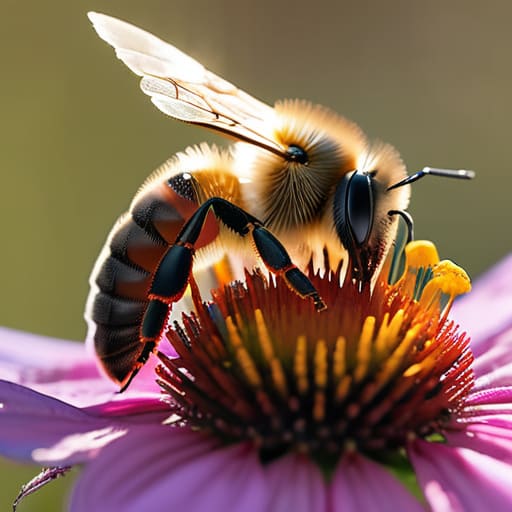
I was waist-deep in a damp hedgerow last Tuesday, squinting through a hand lens at a cluster of Bombus terrestris—the common buff-tailed bumblebee—and realized I was more exhausted by the headlines than the actual weather. Every time I open a news app, I’m met with these sweeping, apocalyptic declarations about an “insect apocalypse” that imply every single drop of spray is an immediate death sentence. It’s frustrating because the nuance gets lost in the shouting; we need to move past the panic and actually look at the data regarding how pesticides affect non target insects in a way that distinguishes between a total ecosystem collapse and the specific, measurable shifts in local biodiversity.
I’m not here to sell you on a brand of organic spray or to scare you into thinking your garden is a wasteland. My goal is to bridge the gap between the dense, jargon-heavy papers I read for my doctorate and the practical reality of what is actually happening on the ground. I’m going to walk you through what the field surveys actually show, where the evidence is solid, and where it’s still a bit thin, so you can make decisions based on actual ecology rather than just the loudest headline.
Table of Contents
Neonicotinoid Effects on Beneficial Insects vs the Media Narrative
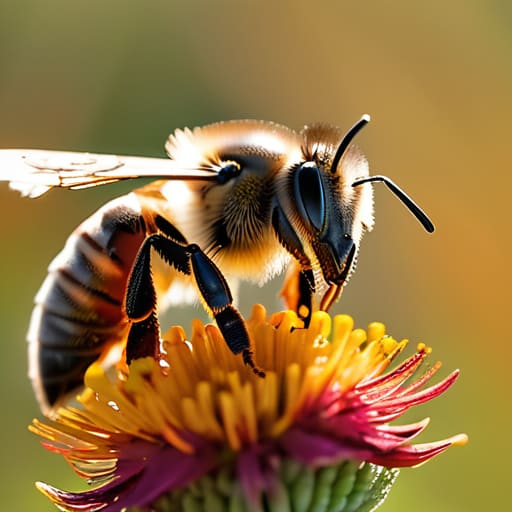
When you search for neonicotinoids, you’re usually met with two extremes: either a total dismissal of the risk or a sweeping declaration that they are the sole driver of the “insect apocalypse.” The reality, based on the field data I spend my weeks squinting at, is far more nuanced. We aren’t just looking at immediate die-offs; the real concern often lies in sublethal behavioral changes in bees. It’s not always that the insect drops dead the moment it hits a treated leaf; it’s that it forgets how to navigate back to the hive or loses the coordination required to forage effectively.
The media tends to flatten these complexities into a single, scary narrative, but the science suggests a more insidious process. We are seeing a genuine risk of ecosystem services disruption when these chemicals interfere with the subtle, vital tasks that keep a landscape functioning. While a single study on a specific species in a lab doesn’t prove a global collapse, the cumulative weight of evidence regarding neonicotinoid effects on beneficial insects shows that we are chipping away at the stability of our hedgerows, one confused pollinator at a time.
Why Sublethal Behavioral Changes in Bees Matter Most
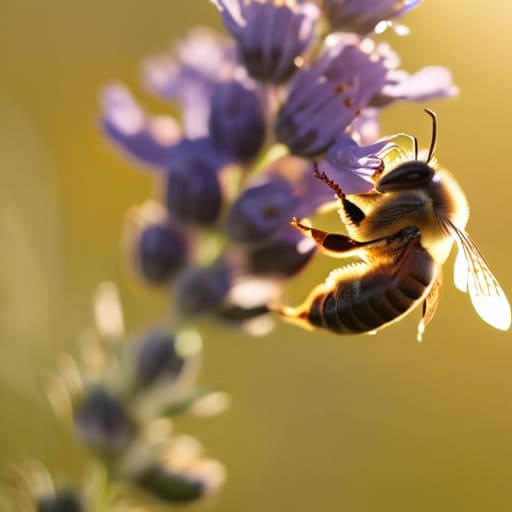
When we talk about pesticide impact, the instinct is to look for the “kill shot”—the immediate, visible pile of dead bees at the hive entrance. But in my fieldwork, the real damage is often much quieter. We are seeing significant sublethal behavioral changes in bees that don’t result in an instant corpse, but rather a functional failure. I’m talking about a worker bee that survives the initial exposure but loses its ability to navigate back to the colony, or one whose foraging efficiency drops because its motor coordination is slightly off. It’s the difference between a sudden crash and a slow, systemic leak.
This is where the conversation around pollinator decline and chemical exposure gets complicated. If a bee can’t find its way home or fails to communicate the location of a nectar source to its sisters, the colony doesn’t die today; it starves in three weeks. This creates a massive ecosystem services disruption that is much harder to track in a single afternoon of surveying than a mass die-off. We aren’t just looking at mortality rates; we are looking at the erosion of the very behaviors that keep these populations stable.
Moving Beyond the Buzzwords: 5 Ways to Actually Support Insect Resilience
- Focus on the “edge effect” in your garden. It’s not just about having a patch of wildflowers; it’s about the connectivity between them. I’ve spent way too many hours in hedgerow margins seeing how a single, isolated flower bed acts like a desert for a pollinator. Creating continuous corridors—even just a messy, un-mown strip along a fence—is what actually allows species to move through a landscape without getting trapped in a chemical sink.
- Understand the difference between acute and chronic exposure. We often talk about “killing” insects, but the real, quiet damage happens when they don’t die immediately. Apis mellifera (the common honeybee) or various Bombus species (bumblebees) might survive a low-level dose, but if that dose messes with their ability to navigate home or forage efficiently, the colony collapses anyway. We need to stop looking for the “smoking gun” death and start looking at the subtle decline in colony fitness.
- Prioritize “targeted” over “blanket” approaches. If you are dealing with a pest issue, avoid anything that is applied as a broad-spectrum spray over a wide area. When you spray a whole field, you aren’t just hitting the aphids; you are creating a drift that hits every non-target hoverfly and parasitic wasp in the vicinity. If you must use something, look for highly specific biological controls or localized treatments that don’t turn your entire backyard into a sterile zone.
- Don’t ignore the “unsexy” insects. Most people only care about the charismatic megafauna of the insect world—the big, fuzzy bees. But when we talk about non-target impacts, we have to talk about the soil-dwellers and the nocturnal moths. A pesticide might be “safe” for a bee but devastating for the larvae of a Noctuidae moth living in the leaf litter. True biodiversity conservation means protecting the whole lifecycle, not just the pretty adults we see in the summer.
- Demand better data, not just louder headlines. When you see a claim about a specific chemical, check if it was a controlled lab study or a field-based observation. Lab studies are great for proving a chemical can kill, but field studies tell us if it is killing. We need to push for more longitudinal field data that tracks real-world populations over years, not just weeks, because that is the only way we can build conservation arguments that won’t get laughed out of a policy meeting.
What to actually take away from the data
We need to move past the binary of “pesticides are fine” versus “pesticides kill everything” and start focusing on the nuance of sublethal effects—the way a chemical might not kill a bee instantly, but instead messes with its ability to navigate home or find mates.
Not all chemicals are created equal; while neonicotinoids have a massive, evidence-backed footprint on pollinator health, we shouldn’t use them as a blanket excuse to ignore the specific, localized impacts of other spray regimes that are currently being overlooked in broader surveys.
Effective conservation isn’t about chasing every scary headline, but about identifying the specific chemical stressors in our local landscapes and making precise, evidence-led changes to how we manage field margins and garden borders.
Moving Beyond the Headlines
We have to move past the binary of “pesticides are fine” versus “everything is dying” if we want to actually fix the problem. The data shows us that the real danger isn’t always a sudden mass die-off that makes for a great news thumbnail; it is the slow, quiet erosion caused by sublethal effects and the disruption of complex ecological webs. Whether it is neonicotinoids affecting a bee’s ability to navigate back to the hive or broad-spectrum sprays wiping out the predatory wasps that keep aphids in check, the impact is systemic. We need to stop looking for a single smoking gun and start acknowledging that cumulative, low-level exposure is what reshapes a landscape over time.
If you want to help, don’t just wait for a massive policy shift or a miracle scientific breakthrough. The most effective conservation often happens in the margins—literally. By choosing fewer chemicals in your own garden or advocating for wider, unploughed field margins, you are contributing to a much-needed buffer against these stressors. It isn’t about achieving perfection or creating a sterile sanctuary; it is about creating functional spaces where biodiversity has a fighting chance to persist. The numbers matter, the surveys matter, and ultimately, the small, evidence-based choices we make today determine what the next generation of surveyors will actually find in the field.
