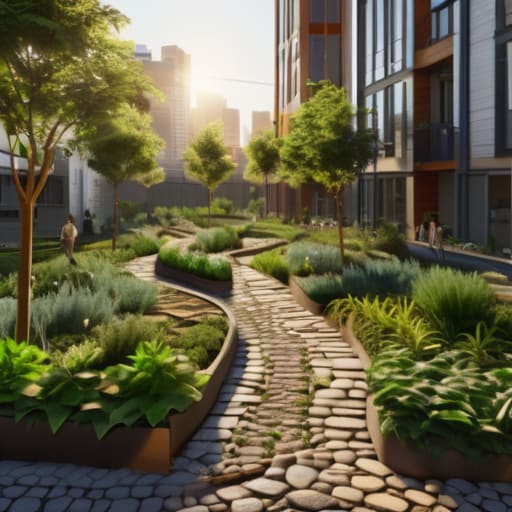
I spent three summers standing in waist-deep, freezing mud on transects just to prove that a single well-placed hedgerow matters more than a thousand “awareness” hashtags. There is this exhausting myth floating around that unless you are lobbying Parliament or managing a thousand-acre estate, you aren’t actually doing anything, but that is just not how the ecology works. People get paralyzed by the scale of the crisis, thinking their tiny patch of dirt is irrelevant, but they completely miss the mechanics of how local action contributes to the larger landscape. We don’t need more grand gestures that look good on a press release; we need more people understanding the actual connective tissue of a habitat.
In this post, I’m skipping the doom-scrolling and the impenetrable academic jargon to tell you what the survey data actually shows. I won’t promise that your garden will single-handedly stop the sixth mass extinction—because that would be a lie—but I will show you which specific, small-scale shifts in your local environment actually move the needle for pollinator populations. This is about evidence-based gardening and real-world connectivity, stripped of the hype.
Table of Contents
Why Community Led Initiatives Impact Biodiversity More Than Headlines
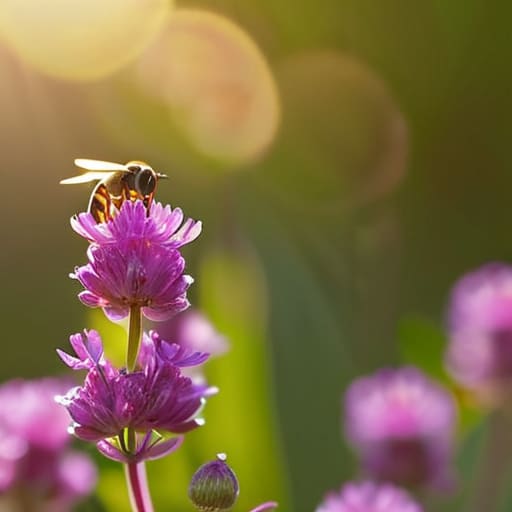
The problem with those massive, sweeping headlines about “insect apocalypse” is that they create a sense of paralysis. When you read that a billion pollinators have vanished overnight, your brain doesn’t think ‘I should plant some clover’; it thinks ‘It’s already over, so why bother?’ This is where the data actually tells a different story. We see that community-led initiatives impact local biodiversity much more reliably than a single high-level policy change ever could. While a government mandate might protect a specific forest, it won’t fix the fragmented, “death by a thousand cuts” reality of a suburban garden.
Real change happens in the gaps between those big policies. When a neighborhood decides to stop mowing every inch of their verges, they aren’t just making things look “wilder”—they are creating biological corridors. This kind of grassroots movement creates a physical network that a single, isolated nature reserve simply cannot provide. We aren’t just looking for one massive win; we are looking for the cumulative effect of a hundred small, well-placed patches of habitat that actually allow a species to move and survive.
The Math of Small Changes Neighborhood Empowerment Strategies
When we talk about conservation, the scale usually feels overwhelming—like we’re trying to stop a landslide with a teaspoon. But in my fieldwork, I see the math of connectivity differently. It isn’t about one massive, pristine nature reserve; it’s about the spatial continuity of small patches. If one person leaves a patch of nettles and their neighbor installs a tiny pond, they’ve created a stepping stone. When you apply neighborhood empowerment strategies across an entire street, you aren’t just planting flowers; you are building a functional corridor. This is how we move from isolated pockets of life to a network that actually allows species to migrate and persist.
The real power lies in how these community-led initiatives impact the local landscape through sheer repetition. It’s much harder for a local council to ignore a sudden, coordinated shift in how a dozen households manage their margins. This kind of collective community influence creates a feedback loop: as more people see the results of their surveys—like a sudden uptick in Bombus terrestris sightings—the social pressure to maintain those habitats grows. We aren’t just waiting for global policy to catch up; we are building the biological infrastructure ourselves.
Five ways to actually move the needle (without waiting for a policy shift)
- Stop aiming for “perfect” biodiversity and start aiming for connectivity. A single, pristine wildflower meadow is great, but it’s an island; a series of messy, slightly unkempt garden margins that link one patch to another is what actually allows species to migrate and survive.
- Prioritize “weeds” over aesthetics. When I’m out on transects, I’m rarely looking at manicured lawns; I’m looking at the stinging nettles (Urtica dioica) and the brambles (Rubus fruticosus). If you want to support specialist herbivores, you have to accept that a bit of “untidiness” is non-negotiable.
- Collect better data, even if it feels small. One of the biggest hurdles in conservation is the “data gap” in urban areas. Using apps like iNaturalist to log what you actually see—not what you wish you saw—provides the granular evidence local councils need to justify protecting a specific hedgerow or woodland patch.
- Focus on the “buffer zones” rather than the centerpieces. It is easy to plant a beautiful lavender pot, but much harder to leave the perimeter of your property as a wild, un-mown strip. That margin is where the larval host plants live, and that’s where the real biological work happens.
- Build a WhatsApp thread, not just a garden. Conservation is a numbers game. If one person leaves a patch of clover, it’s a fluke; if five neighbors in a single street do it, you’ve created a functional corridor. The social side of local action is just as vital as the horticultural side.
What to actually take away from the data
Stop waiting for a massive policy shift to save your local pollinators; the data shows that connected patches of “messy” garden margins can create functional corridors that help species move through fragmented landscapes.
Focus on quality over quantity when it comes to planting; a single, diverse patch of native nectar sources is often more effective for a local population than a massive, monoculture “wildflower” seed mix that lacks the right life-cycle support.
Learn to trust the surveys, not the sensationalism; real conservation progress is measured in slow, incremental increases in species richness over several seasons, not in the sudden, dramatic population spikes you see in clickbait headlines.
Moving Beyond the Headline
At the end of the day, we have to stop waiting for a single, sweeping policy to fix everything while the data shows us that the real work is happening in the gaps. We’ve looked at how community-led surveys provide the granular detail that massive, top-down studies often miss, and how the cumulative effect of individual garden margins can create something far more significant than a single large-scale intervention. It isn’t about finding a magic bullet; it is about recognizing that small-scale connectivity is the actual mechanism that allows populations to persist. When we stop chasing the “one big solution” and start focusing on the math of incremental improvements, we move from being passive observers of decline to active participants in recovery.
I know it feels small when you are just pulling a few weeds or setting up a single moth trap in a damp corner of your garden. But when I look at my transect data, I don’t see “small” things; I see the vital, messy reality of survival. We don’t need more doom-scrolling or more impenetrable academic papers to tell us that things are changing; we need to trust the evidence found in our own backyards. If we can bridge the gap between what the scientists are measuring and what we are doing in our local communities, we might actually stand a chance at turning the tide. It’s not about being perfect; it’s about being persistent and precise.
