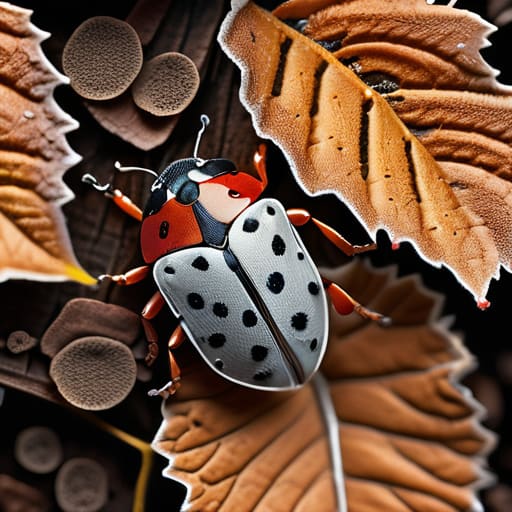
I spent three years of my doctorate watching hedgerows turn into grey, sodden nothingness, and if there is one thing I’ve learned, it’s that the “one-size-fits-all” approach to winter gardening is a lie. You’ll see headlines claiming that just leaving your garden “messy” is a universal fix, but that ignores the granular reality of how overwintering strategies differ across even the smallest patches of soil. A ladybird isn’t looking for the same micro-climate as a solitary bee or a pupating moth; if we treat every insect like they’re all just looking for a pile of leaves, we aren’t actually conserving anything—we’re just making a mess.
I’m not here to give you a checklist of aesthetic “wildlife” trends that look good on Instagram but do nothing for actual biodiversity. Instead, I want to look at what the surveys actually show us about where these species hide and why some of our most well-intentioned tidy-ups are actually ecological dead zones. I promise to walk you through the specific biological needs of different groups, explaining when the evidence is solid and when we’re still just guessing, so you can make changes that actually move the needle.
Table of Contents
Deciphering the Biological Mechanisms of Dormancy
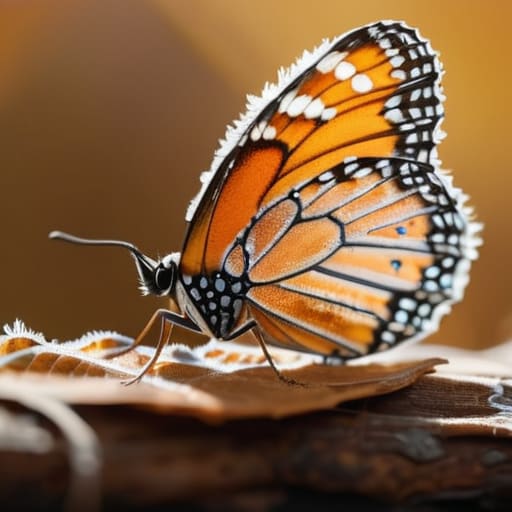
To understand how these species actually pull it off, we have to look past the idea of “sleep” and focus on the actual biological mechanisms of dormancy at play. For most of the insects I encounter on transects, this isn’t a passive nap; it’s a highly choreographed physiological shutdown. It often begins with diapause, a state where the insect’s development is actively arrested by internal cues, usually triggered by changes in day length before the frost even hits. It’s a preemptive strike against the coming cold.
Once they’ve settled into their chosen nook—whether that’s deep in the leaf litter or tucked into a hollow stem—the real work happens at a cellular level. We see a massive metabolic rate reduction in animals like these, where energy consumption drops to a fraction of its summer high. This isn’t just about staying still; it’s about managing chemistry. They are essentially fine-tuning their internal fluids to prevent ice crystals from shredding their cells, a process that is far more complex than simply “hiding” from the weather.
Mapping Environmental Triggers for Diapause
Mapping Environmental Triggers for Diapause
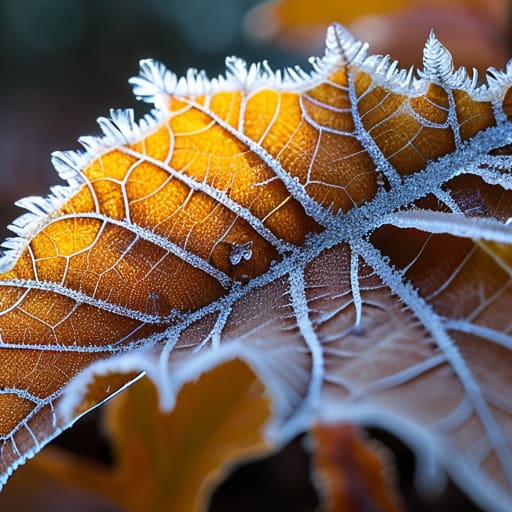
It isn’t just a matter of the temperature dropping and the insects deciding to go to sleep. If it were that simple, my transect data would be much cleaner. Instead, we’re looking at a complex series of cues that signal it’s time to shut down. For many species, the real driver isn’t the frost itself, but the photoperiod—the specific change in day length. This is one of the most reliable environmental triggers for diapause because, unlike a random cold snap, the length of a day is predictable. An insect’s internal clock senses that the sun is setting earlier, which initiates a hormonal cascade that shifts them from growth mode into a state of suspended animation.
However, we have to be careful about oversimplifying this. While light is a primary cue, many species also rely on a secondary “check” from local conditions, like humidity or the drying out of host plants. This prevents a bug from entering dormancy prematurely during a weirdly warm week in October, only to be killed by the inevitable November freeze. We are essentially looking at a biological fail-safe system designed to ensure that the insect life cycle survival stages align perfectly with the actual availability of resources in the spring.
Moving Beyond the 'One-Size-Fits-All' Winter Plan
- Stop treating the garden like a single habitat; a pile of rotting logs is a luxury hotel for some beetle larvae, but a death trap for others that need the dry, airy microclimates found in hollow stems.
- Prioritize structural diversity over aesthetic neatness, because if you clear away every bit of “mess” in autumn, you aren’t just tidying up—you are actively removing the thermal buffers that keep specific species from freezing solid.
- Don’t rely on a single plant species to bridge the gap; since different insects emerge from dormancy at different times, you need a staggered succession of nectar sources to ensure the first movers don’t starve before the main season kicks in.
- Recognize that “winter” isn’t a static state for most insects; because many species rely on specific temperature cues to trigger their metabolic shifts, an unseasonably warm February can trick them into waking up too early, leaving them vulnerable to a sudden frost.
- Focus on the soil-surface interface rather than just the canopy, as much of the critical overwintering data we actually have concerns the invertebrates tucked into the leaf litter, where the real battle against desiccation happens.
What This Means for Your Garden and the Data
Stop treating “winter” as a single event; because different species rely on different environmental cues to trigger dormancy, a single unseasonably warm week can trick a population into waking up too early and starving.
There is no “one-size-fits-all” approach to habitat management, as a garden designed to help a species that overwinter as larvae might inadvertently create a death trap for one that survives as an adult.
We need to move past the “save the bees” generalizations and start looking at the specific life cycles of local insects, because conservation only works when we support the exact stage of life that is most vulnerable to the weather.
Moving Beyond the Blanket Assumption
When we step back from the individual biological mechanics, it becomes clear that there is no single “winter mode” for the insect world. We’ve moved from seeing dormancy as a simple pause button to understanding it as a complex, high-stakes negotiation between an organism’s internal clock and the external environment. Whether it is the physiological shutdown of diapause or the more active, temperature-dependent metabolic shifts we see in certain beetles, these strategies are incredibly specific. If we continue to treat “insect survival” as a monolith, we risk designing conservation interventions that help one species while inadvertently leaving another behind because we misunderstood their specific metabolic requirements.
This complexity is exactly why we can’t rely on broad-stroke solutions. A garden that provides a single type of leaf litter might be a sanctuary for one moth species but a death trap for another that requires deeper, more consistent soil insulation. We have to stop looking for the “silver bullet” for biodiversity and start looking at the granular reality of the landscape. It is much harder to advocate for a messy, unkempt hedgerow than it is for a tidy lawn, but the data shows that the mess is where the survival happens. If we want to keep these tiny, intricate lives moving through the seasons, we have to start respecting the specific ways they fight to stay alive.
