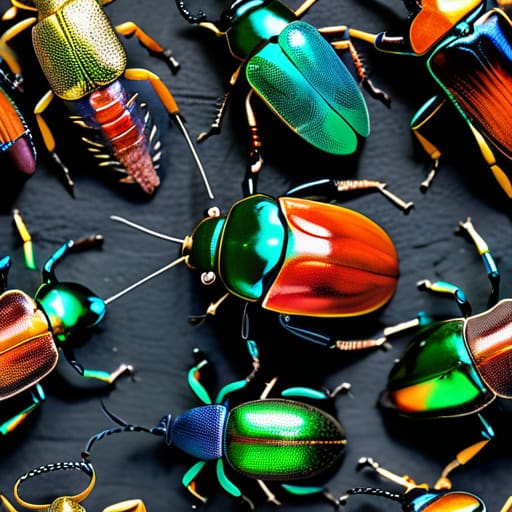
I was halfway through a transect in a damp hedgerow near Leicester, knee-deep in stinging nettles and shivering because my waterproofs had failed me, when I found a specimen that looked like a piece of polished obsidian. My first instinct wasn’t to reach for a heavy, leather-bound encyclopedia; it was to realize that the way we talk about how beetles are classified in most textbooks makes the process feel like some impenetrable, dusty ritual reserved for people in lab coats. We treat taxonomy like a closed door, using Latinate jargon to gatekeep what is actually a very physical, very tactile way of understanding the world.
I’m not here to drown you in a sea of morphological minutiae just for the sake of sounding academic. Instead, I want to show you the actual logic behind the labels, moving from the broad strokes of the order Coleoptera down to the specific traits that tell us who is actually surviving in our changing landscapes. I promise to tell you when the classification is settled science and when we’re still just educatedly guessing, so you can walk away knowing what those tiny, armored bodies are actually telling us about the health of our planet.
Table of Contents
The Taxonomic Hierarchy of Beetles More Than Just a Label
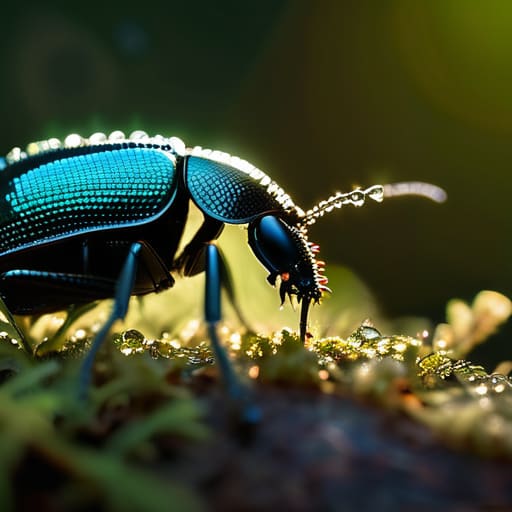
When we talk about the taxonomic hierarchy of beetles, it’s easy to treat it like a boring filing cabinet in a dusty lab. But for someone standing in a damp field at 2:00 AM with a headlamp, those labels are actually a map of survival. It starts at the broadest level—the order Coleoptera—and drills down into the specifics of who is actually doing what in your local ecosystem. We aren’t just slapping names on things to feel organized; we are tracing evolutionary lineages to see which groups are holding steady and which are disappearing from our hedgerows.
The real magic happens when you look at the specific order Coleoptera characteristics that separate them from every other insect. Take the elytra structure and function, for example. Those hardened forewings aren’t just “shells”; they are highly specialized tools that protect the delicate hindwings used for flight. This single morphological tweak is exactly what allowed beetles to colonize almost every corner of the planet. By understanding these tiny structural differences, we can move past vague generalizations and actually start identifying which specific lineages are struggling in our changing landscapes.
Order Coleoptera Characteristics What the Data Actually Shows
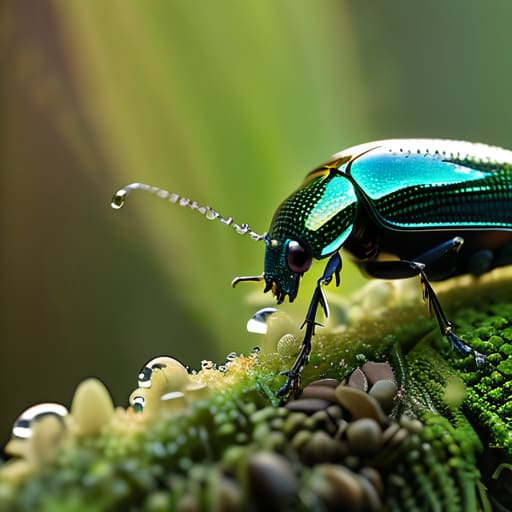
When we look at the Order Coleoptera characteristics, we aren’t just looking at a list of traits from a textbook; we are looking at the biological “armor” that has allowed them to dominate almost every terrestrial habitat on Earth. The defining feature, and the one that makes my field surveys both easier and more frustrating, is the elytra structure and function. These aren’t just wings; they are hardened, sclerotized forewings that act as a protective shield for the delicate flight wings underneath. If you’ve ever spent a drizzly Tuesday morning trying to identify a specimen without crushing it, you know that the specific shape and texture of these elytra are often the only thing standing between a successful identification and a smudge of chitin on your forceps.
Beyond the armor, the broader insect taxonomy and phylogeny place Coleoptera in a unique position due to their highly specialized mouthparts and life cycles. While some groups are strictly predatory, others are specialized scavengers or herbivores, a distinction that is vital when we talk about ecological niches. We can’t just lump them into one “beetle” bucket; the morphological diversity—from the way their tarsi (feet) are segmented to the specific arrangement of their antennae—is what tells us if a species is a specialist struggling in a fragmented hedgerow or a generalist holding its own.
Stop Guessing: How to Actually Approach Beetle Identification
- Focus on the elytra first. These are the hardened forewings that characterize the order Coleoptera. If they don’t meet in a straight line down the back to form a protective shell, you aren’t looking at a beetle, no matter how much it looks like a ladybird.
- Look for the tarsal formula. This is a fancy way of saying “count the segments on their feet.” It sounds tedious when you’re knee-deep in damp leaf litter, but the number of segments is often the only way to distinguish between two families that look identical to the naked eye.
- Don’t mistake “shape” for “species.” A common mistake in amateur surveys is grouping everything round and shiny into one bucket. Taxonomy relies on much more granular morphological features, like the shape of the pronotum—that shield-like structure behind the head—rather than just general vibes.
- Use a hand lens, not just your phone camera. Macro photography is great for my Instagram, but it can mask the tiny punctures or hairs on a specimen’s surface. Those minute textures are often the specific diagnostic traits used in formal keys to separate a common species from a rare one.
- Accept that identification is a spectrum. Even in professional surveys, we often have to label things as “cf.” (confer), which is scientific shorthand for “this looks like X, but I need to see it under a microscope to be sure.” If you aren’t sure, don’t guess; just note the uncertainty.
Why Getting the Names Right Actually Matters
Taxonomy isn’t just a way to organize a dusty drawer of specimens; it’s the only way we can track whether a specific population is actually stable or if we’re just seeing a temporary spike in “beetles” generally.
We have to move past the broad labels because a “ground beetle” isn’t a single thing—treating diverse families as one group masks the specific habitat losses that are killing off specialized species.
Precise classification is our best defense against bad science; if we can’t name exactly what we’re counting in a field margin, we can’t prove which conservation efforts are actually working and which are just expensive guesswork.
Why the Labels Actually Matter
At the end of the day, taxonomy isn’t just a way for academics to organize their filing cabinets; it is the fundamental framework that allows us to track what is actually happening on the ground. By moving from the broad Order Coleoptera down through families and genera, we move from a vague sense of “lots of bugs” to a precise understanding of which specific lineages are holding steady and which are vanishing from our hedgerows. If we don’t get the classification right, our conservation data becomes a blurry mess of generalizations that fail to pinpoint exactly where the biological breakdown is occurring.
I know that staring at a taxonomic key can feel like a chore, but that precision is our best defense against the “alarmist headline” culture. When we know exactly which beetle we are looking at, we can stop guessing and start implementing the specific habitat changes that actually work. We don’t need more vague calls to “save the insects”; we need to protect the specific niches that these incredibly diverse organisms require to survive. Every time you identify a specimen correctly, you are contributing to a much larger, much more accurate map of life on this planet.
