
I spent three hours last Tuesday hunched over a muddy field margin, trying to record sightings for a local survey, only to realize I’d spent more time reading “hedgehog rescue” Facebook posts than actual ecological data. There is this massive, expensive trend of people buying plastic, designer hedgehog houses and thinking they’ve solved the problem. But if you’re just dropping a solitary, isolated box into a manicured, chemically-treated lawn, you aren’t actually helping; you’re just providing a very expensive place for them to starve. When people ask me how to help hedgehogs, they usually expect a shopping list of garden gadgets, but the reality of their decline is much more about the space between the fences than the stuff you buy at a garden centre.
I’m not here to sell you a lifestyle brand or a sense of performative guilt. My goal is to strip away the noise and talk about what the surveys actually tell us about habitat connectivity and food availability. I will tell you which garden changes actually move the needle on population survival and where the evidence is still a bit thin. We’re going to focus on the practical, unglamorous work of making your patch of earth part of a living network.
Table of Contents
The Truth About Best Food for Hedgehogs and Nutritional Realities
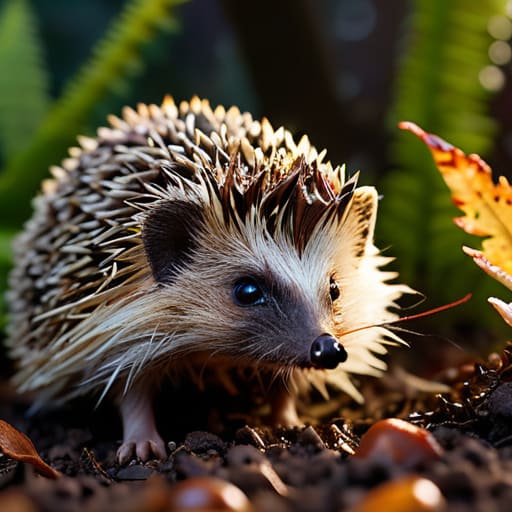
If you’ve spent any time on Facebook or Pinterest, you’ve probably seen the “hedgehog-friendly” bowls filled with expensive, artisanal-looking kibble. Here is the reality: while a bit of high-quality cat or dog food can be a decent supplemental protein source during a particularly dry summer, it isn’t a magic fix. We have to be careful not to treat them like domestic pets that we can just “feed” into stability. Hedgehogs are opportunistic insectivores, meaning their digestive systems are evolved for a diet of beetles, earthworms, and slugs. If we rely too heavily on processed pellets, we risk nutritional imbalances that don’t actually support their long-term health.
The real goal isn’t to become a buffet provider; it’s to foster a self-sustaining ecosystem. Instead of obsessing over the best food for hedgehogs you can buy in a bag, focus on the biological productivity of your patch. This means leaning into wildlife garden essentials like leaf litter, log piles, and diverse flowering plants that attract the actual invertebrates they need. When you build a habitat that supports a massive population of bugs, you aren’t just feeding one hedgehog; you’re fueling an entire local food web.
Wildlife Garden Essentials That Move the Needle on Population
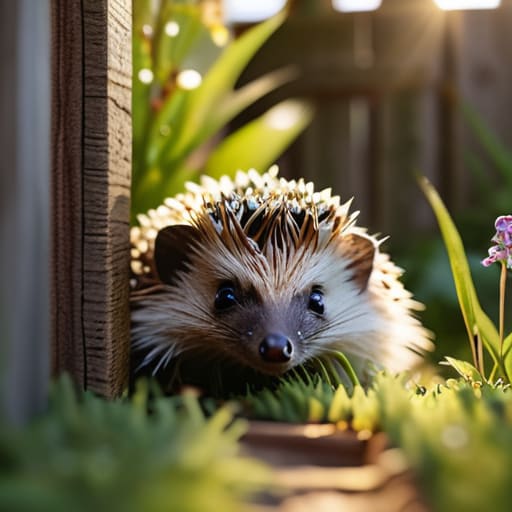
If you want to move beyond just feeding them, you have to think about how they actually move through the landscape. A single garden, no matter how lush, is essentially a green island if it’s surrounded by fences and walls. This is where creating hedgehog highways becomes the most effective thing you can do. It’s a simple concept: cutting a small, 13cm x 13cm hole at the base of your garden fence allows them to pass through safely. When you coordinate this with your neighbours, you aren’t just providing a snack; you are building a functional network that allows for genetic exchange and better foraging.
Beyond connectivity, your garden needs to offer more than just aesthetics. Real wildlife garden essentials involve messy, unmanicured spaces. A perfectly mulched flowerbed is beautiful, but a pile of decaying leaves or a patch of long, uncut grass is a genuine habitat. These “scruffy” areas provide the thermal cover and damp microclimates they need to rest during the day. It’s about shifting our perspective from “tidying up” to managing for biodiversity, ensuring they have the physical protection required to survive the night.
Beyond the Fancy Log Pile: Five Ways to Actually Support Local Hedgehogs
- Stop the “island effect” by creating hedgehog highways. You can buy the most expensive, insulated hedgehog house on the market, but if your garden is walled off by a solid fence, that house is just a lonely, decorative ornament. If you have a fence, please, just cut a 13cm x 13cm hole at the base. It sounds small, but for a hedgehog, that hole is the difference between a connected landscape and a dead end.
- Ditch the chemical pesticides and realize that your “tidy” lawn is a desert. Hedgehogs aren’t looking for manicured grass; they are looking for the beetles, slugs, and caterpillars that live in the messy bits. When you spray for slugs, you aren’t just killing the pest; you’re removing the entire caloric foundation of a hedgehog’s diet. A slightly overgrown, “untidy” corner is infinitely more valuable than a chemically perfect lawn.
- Be careful with the “wildlife pond” trend. I see so many beautiful garden ponds that are essentially death traps for small mammals. If you’re going to add water—which is great for biodiversity, don’t get me wrong—you must ensure there is a very shallow, sloping edge or a ramp. A hedgehog needs to be able to walk in and, more importantly, walk out without needing to be a swimmer.
- Manage your light pollution. This isn’t something people talk about much in the context of small mammals, but hedgehogs are primarily nocturnal. If you have bright, motion-sensor security lights that kick on every time a leaf moves, or high-intensity floodlights pointed at your garden borders, you are disrupting their foraging windows. Keep your garden lighting low, warm-toned, and directed downwards.
- Watch your seasonal timing with garden maintenance. We often talk about “leaving the leaves,” which is excellent advice for invertebrates, but if you’re going to clear out large areas of leaf litter or brambles, don’t do it all at once in late autumn. You might be inadvertently clearing out the very nesting sites or food caches they are relying on to get through the colder months. Work in stages, and always do a quick visual sweep for any “residents” before you move a pile of debris.
The Bottom Line: What Actually Moves the Needle
Stop focusing on the “luxury” items; a high-end hedgehog house is basically a glorified garden ornament if your fences are solid barriers that prevent them from actually moving through the landscape.
Nutrition isn’t about treats; ditch the milk and processed scraps for a garden that supports the invertebrate biomass they actually evolved to hunt.
Precision matters more than passion; don’t just “make it wild,” make it functional by connecting your patch to the neighbor’s patch, because a single isolated garden is just a cul-de-sac for a hedgehog.
Moving Beyond the Decorative Garden
If you take anything away from this, let it be that hedgehog conservation isn’t a series of aesthetic checkboxes. It’s not about buying the most expensive wooden house on the market or scattering handfuls of processed kibble and calling it a day. Real impact comes from the unglamorous, structural stuff: ensuring they have connected corridors to move through, managing your soil to support the invertebrates they actually eat, and resisting the urge to tidy up every single messy corner of your lawn. We have to stop viewing our gardens as isolated islands and start seeing them as part of a larger, functional landscape that requires connectivity to actually work.
I know it can feel overwhelming when you see the headlines about habitat loss, but please don’t let the scale of the problem paralyze you. Conservation doesn’t always require a massive land grant or a government mandate; sometimes, it just requires a bit of intentional messiness in your own backyard. When we stop trying to curate “perfect” gardens and start building ecosystems that actually function, we move from being mere observers of decline to active participants in recovery. It’s about the small, cumulative shifts in how we manage our local patches of earth that eventually build a resilient network for the species that need us most.
