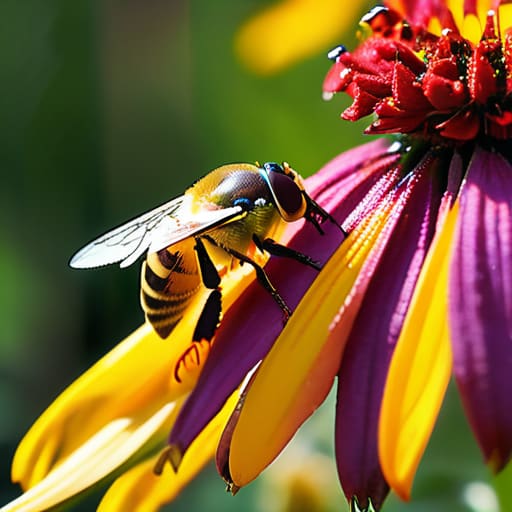
I spent three summers counting Bombus terrestris—the common buff-tailed bumblebee—along muddy transects in the pouring rain, and if there is one thing that experience taught me, it is that you cannot “fix” an ecosystem with a single, expensive bag of wildflower seeds from a supermarket shelf. There is this exhausting trend of selling “insect-friendly” kits that promise instant results, but most of them are just aesthetic filler that lacks the structural diversity real pollinators actually need. If you are genuinely trying to figure out how to attract insects to a garden, you have to stop looking for the magic bullet and start looking at the messy, unglamorous reality of soil, shelter, and seasonal timing.
I am not here to give you a list of “top ten” pretty flowers that look good on Instagram but offer zero nutritional value to a hungry larva. Instead, I want to talk about what the surveys actually show us: the importance of niche availability and why a bit of intentional neglect might be your most powerful tool. I promise to skip the alarmist headlines and the impenetrable jargon to tell you exactly which small, evidence-based changes to your flower beds or lawn edges will actually move the needle for your local insect populations.
Table of Contents
Why Native Wildflower Gardening Outperforms Aesthetic Trends
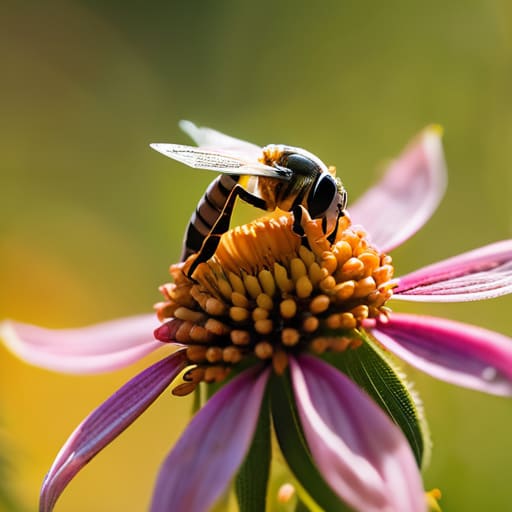
The problem with the “aesthetic” garden movement—the one that looks like a Pinterest board of perfectly manicured lavender and non-stop blooms—is that it often prioritizes visual symmetry over actual caloric value. I see this all the time in my surveys: a garden that looks lush but is functionally a desert for local specialists. When we talk about native wildflower gardening, we aren’t just talking about aesthetics; we are talking about evolutionary synchrony. A plant that has co-evolved with your local insect community provides the specific nectar concentrations and pollen proteins they need to survive a season, rather than just a sugary snack that leaves them starving an hour later.
It is easy to get swept up in the trend of “designer” perennials, but if you want to focus on creating a backyard ecosystem that actually functions, you have to look at the life cycles. Many ornamental hybrids have been bred for “double blooms”—which basically means they’ve been stuffed with extra petals so they look pretty in a vase, but those petals often physically block access to the reproductive organs of the flower. You end up with a garden that looks great to us, but is completely inaccessible to the very pollinators we claim to be helping.
The Truth About Creating a Backyard Ecosystem
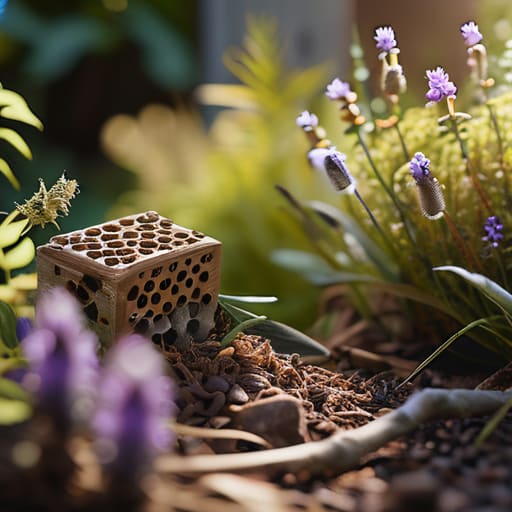
When people talk about creating a backyard ecosystem, they often treat it like a decorating project—a collection of pretty things arranged in a way that looks good on Instagram. But an ecosystem isn’t an aesthetic; it’s a series of messy, functional relationships. If you want to move beyond just looking at pretty flowers, you have to start thinking about connectivity. A single patch of lavender is a nice snack, but it isn’t a home. To actually build a beneficial insect habitat, you need to provide more than just nectar; you need the structural complexity that allows for nesting, overwintering, and larval development.
This is where the “tidiness” trap becomes a problem. Most of my neighbors want a manicured lawn, but a pristine lawn is essentially a biological desert. If we are serious about attracting bees and butterflies, we have to accept a certain level of chaos. This means leaving the hollow stems of last year’s perennials standing and letting the leaf litter accumulate. That decaying organic matter is where the real work happens—it’s the nursery for the very creatures that provide us with natural, organic pest control methods.
Beyond the Flowerbed: Five Practical Moves for Real Habitat
- Stop the “tidying up” reflex. I know a manicured lawn looks nice, but for most ground-nesting bees, a perfectly raked garden is essentially a desert. If you leave a patch of bare, unmulched soil in a sunny spot, you aren’t being lazy; you’re providing the literal foundation for the next generation of solitary bees.
- Prioritize Fabaceae—the legume family. If you want to see actual activity, plant things like clover (Trifolium) or vetch (Vicia). These aren’t just pretty; they are nitrogen-fixers that provide high-quality nectar and support specific larval stages that more “ornamental” garden flowers simply can’t sustain.
- Leave the dead wood where it lies. We have this cultural obsession with removing “debris,” but a fallen branch or a decaying stump is a high-rise apartment complex for beetles and various larval stages. If you clear every bit of organic matter, you’re effectively evicting the very insects you’re trying to invite.
- Manage your “bloom gap.” It’s easy to have a garden that explodes in June, but the real crisis for pollinators is the hungry stretch in late August or the early lull in spring. I look at my survey data and see huge dips in activity during these gaps; you need to plant species that stagger their flowering times so the food supply doesn’t just vanish overnight.
- Rethink your “pest” management. I can’t stress this enough: if you are using broad-spectrum insecticides, you aren’t “protecting” your plants, you’re nuking the ecosystem. Even if a study is small, the trend is clear—reducing chemical inputs is the single most effective way to ensure the insects you’ve worked so hard to attract actually survive the night.
Moving Beyond the Buzzwords: Three Practical Shifts
Stop chasing “pollinator friendly” seed mixes from big-box retailers; if you want to actually support local species, you need to prioritize specific, nectar-rich plants that match the phenology of your local insects so there isn’t a food gap in mid-August.
Embrace a bit of controlled mess because a “tidy” garden is often a biological desert; leaving some leaf litter and undisturbed soil is non-negotiable for the larval stages of many insects that need to overwinter safely.
Focus on connectivity rather than just isolated patches, because a single flower pot on a balcony is a nice gesture, but creating a “stepping stone” of diverse vegetation helps larger populations actually move through a fragmented landscape.
Beyond the Garden Fence
If you take anything away from this, let it be that insect conservation isn’t about achieving a certain “look” or following a checklist of trendy, expensive seed mixes. It’s about understanding the functional reality of your space. We’ve talked about why native plants matter more than aesthetic filler, and why a truly working ecosystem requires a bit of intentional messiness rather than a manicured lawn. You don’t need a massive estate to make a difference; you just need to move away from the idea of a garden as a static decoration and start viewing it as a connected patch of habitat that provides actual, measurable resources like nectar, pollen, and undisturbed soil.
I know it can feel overwhelming when you see the data on population declines, but please don’t let the scale of the problem paralyze you. We don’t need a handful of people doing “perfect” conservation; we need thousands of people doing it imperfectly but consistently. Whether you are planting a single pot of nectar-rich herbs or letting a corner of your lawn go to seed, you are contributing to the data points that actually matter. Every single time you choose a messy field margin over a sterile lawn, you are providing a lifeline. It isn’t about saving the world in one afternoon—it’s about making your patch of earth a little more livable, one insect at a time.
