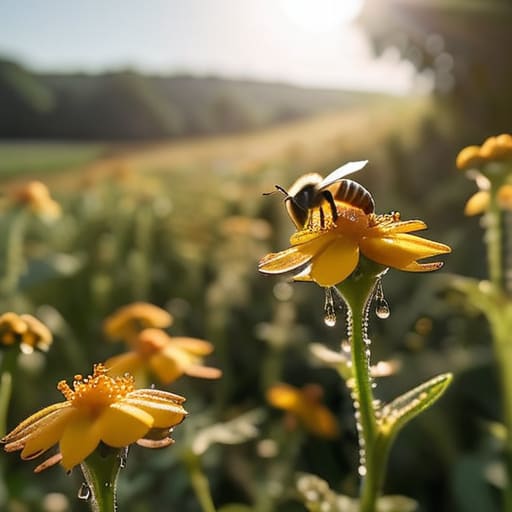
I spent three weeks last summer standing in a sodden field in Shropshire, trying to distinguish between various Bombus species while my boots slowly filled with freezing rainwater. It wasn’t the cinematic, sweeping landscape the news reports suggest; it was muddy, exhausting, and incredibly precise work. People love to talk about how biodiversity relates to food security in these massive, sweeping terms—usually involving a single, terrifying headline about a “pollinator apocalypse”—but they rarely talk about the actual mechanics of it. We treat the link between nature and our dinner plates like a magic trick, but it’s actually a complex, fragile web of specific interactions that doesn’t care about our dramatic metaphors.
I’m not here to give you another doom-laden lecture or a list of expensive, vague “green” solutions that don’t actually move the needle. Instead, I want to look at what the survey data is actually telling us about which species are doing the heavy lifting and why a messy hedgerow matters more than a manicured lawn. I promise to show you the real evidence behind how biodiversity relates to food security, distinguishing between what is scientifically settled and where we are still just guessing.
Table of Contents
The Real Impact of Species Loss on Farming
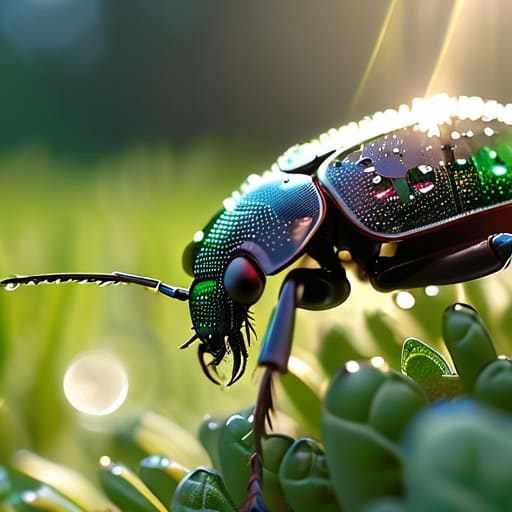
When we talk about the impact of species loss on farming, the conversation usually drifts toward a vague sense of “nature disappearing.” But in the field, it’s much more mechanical than that. It’s about the breakdown of specific, functional links. Take Carabidae, or ground beetles, for example. They aren’t just interesting things to find under a stone; they are a vital component of pest control through natural predators. When we lose the structural complexity of a field margin, we lose the beetles. When we lose the beetles, we lose the free labor that keeps aphid populations from exploding, forcing farmers to rely more heavily on chemical interventions.
It’s a cascading effect. We often treat farms like sterile production lines, but they are actually part of a messy, interconnected web. If we continue to simplify these landscapes, we aren’t just losing “bugs”—we are actively dismantling the ecosystem services for agriculture that keep the system resilient. It’s not just about having more life; it’s about having the right life in the right places to buffer against the volatility that climate change is already introducing to our growing seasons.
Why Ecosystem Services for Agriculture Are Not Just Buzzwords
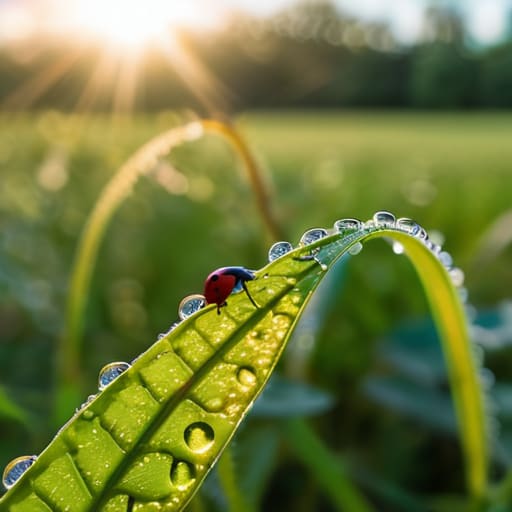
When people talk about “ecosystem services for agriculture,” it sounds like something pulled straight from a dusty NGO report to justify a budget increase. But when I’m standing in a field margin at 6:00 AM, it isn’t an abstract concept; it’s a mechanical reality. It is the difference between a crop that manages itself and one that requires a constant, expensive chemical intervention. We aren’t just talking about pretty flowers; we are talking about pest control through natural predators. When we lose the specific predatory wasps or ground beetles that keep aphid populations in check, we aren’t just losing “diversity”—we are losing a free, biological labor force that keeps the whole system from crashing.
The problem is that we tend to view these services as a permanent safety net, but they are actually quite fragile. If we strip away the hedgerows and simplify the landscape, we aren’t just removing “bugs”; we are dismantling the very infrastructure that supports sustainable food systems. It isn’t just about having more insects; it’s about having the right ones present at the exact moment the crop needs them. When that biological timing breaks down, the stability of our food supply goes with it.
Moving Beyond the Buzzwords: What Actually Works on the Ground
- Prioritise functional diversity over just “more green.” It isn’t enough to just plant a wildflower mix and hope for the best; we need to ensure those plants bloom in a sequence that covers the entire active window of local pollinators. If your flowers all peak in June, you’ve created a buffet that disappears exactly when the crops need them most in August.
- Protect the “messy” margins. In my surveys, I see it constantly: people want biodiversity, but they want it tidy. However, the most resilient populations of predatory insects—the ones that actually keep pest outbreaks in check—usually live in the unkempt, slightly chaotic edges of a field where they have somewhere to overwinter.
- Stop treating all insects as a monolith. When we talk about “pollinator decline,” we tend to focus on the charismatic honeybees, but food security relies on a massive, often invisible cast of specialists. We need to support the specific, less-famous species that have evolved to service particular crop types, rather than just chasing a single metric.
- Build corridors, not just islands. A single high-quality habitat patch in the middle of a massive monoculture is essentially a biological cul-de-sac. For populations to be stable enough to support agriculture, they need connectivity—hedgerows and field margins that act as highways, allowing species to move and maintain genetic health.
- Manage for the soil, not just the sky. We often focus on what’s flying around, but the stability of our food systems is deeply tied to the biodiversity beneath our feet. Healthy soil microbiomes drive nutrient cycling in ways that synthetic fertilisers can’t replicate, and we need to start viewing soil health as a fundamental pillar of the same biodiversity equation.
What we actually need to take away from this
Stop treating “biodiversity” like a monolithic concept; food security isn’t protected by just having “more bugs,” but by having the specific, functional species—like certain solitary bees or predatory wasps—that actually perform the tasks our crops require.
We need to move past the “all or nothing” alarmism and focus on the data of field margins, because even if a single study shows a decline, the real conservation win lies in the incremental, measurable increases we see when we actually manage hedgerows properly.
Effective agricultural stability relies on moving away from simplified ecosystem models and toward supporting complex, messy, and diverse biological networks that can withstand environmental shocks.
Moving Beyond the Headlines
When we strip away the sensationalist headlines, the link between biodiversity and food security isn’t a vague concept—it is a measurable, biological reality. We have seen that it isn’t just about having “more bugs” in a field, but about having the right specific assemblages of pollinators and soil organisms working in tandem. From the specialized bees that service specific crops to the predatory insects that keep pest populations from exploding, these species provide the invisible infrastructure that keeps our agricultural systems from collapsing. If we continue to treat biodiversity as a luxury or a side-project for “green” branding, we are effectively undermining the very stability of the food systems we rely on for survival.
The good news is that we don’t need to solve global extinction overnight to make a difference. Conservation doesn’t always require massive, sweeping policy shifts; sometimes, it starts with the decision to leave a field margin untidied or to plant a specific nectar source in a garden. We need to move away from the paralysis of doom and toward evidence-based, incremental action. By focusing on the small, tangible ways we can support local ecosystems, we aren’t just saving a few species of moth or beetle—we are actively participating in the long-term resilience of our planet’s most vital resource.
