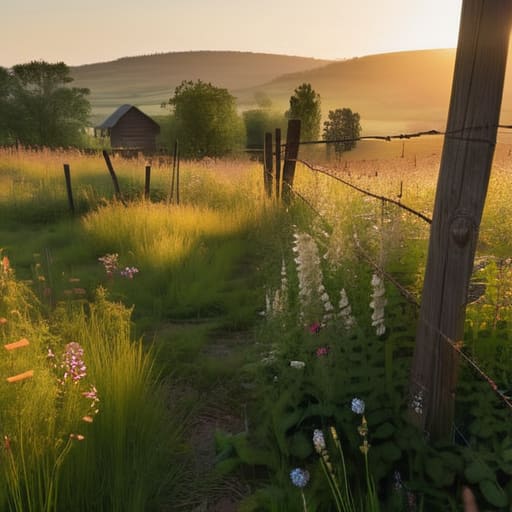
I was standing in a rain-soaked hedgerow in mid-October, shivering in boots that had long since lost their waterproof rating, staring at a transect sheet that made absolutely no sense. I had more Bombus terrestris—the buff-tailed bumblebee—on my sheet than the local records suggested should even be active, but the “official” data from ten years ago suggested a total collapse. That’s the problem with how we talk about ecology: we treat the first number we find as the absolute truth, forgetting how baselines shift over time because of everything from weather patterns to how the person holding the net felt that morning. We treat these numbers like granite when they are actually more like shifting sand.
I’m not here to give you a lecture on statistical modeling or to scare you with doom-scrolling headlines. Instead, I want to show you what the data actually looks like when you strip away the academic jargon and the media panic. I’ll explain why your “starting point” is probably a moving target, and how we can distinguish between a genuine population crash and the natural, messy wobble of a living ecosystem.
Table of Contents
Historical Ecological Benchmarks vs Our Fading Memories
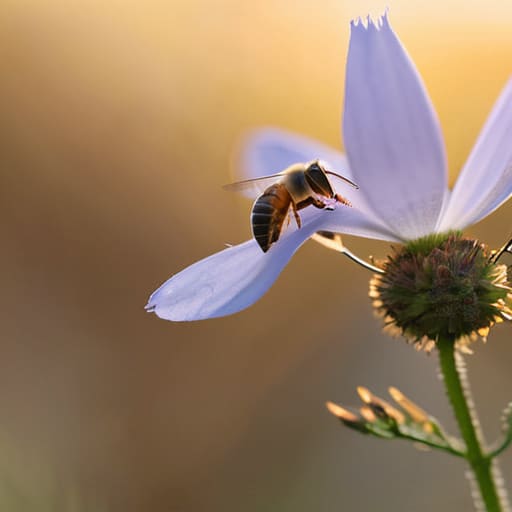
The problem is that our personal sense of “normal” is incredibly fragile. If you grew up in a garden where the only thing buzzing was a handful of common honeybees, you probably think that’s just how nature works. This is a classic case of generational perception of nature—we mistake our own limited window of observation for the full, historical picture. We aren’t seeing the world as it is; we are seeing it as it has been eroded.
When I look at old handwritten field notes from the 1970s, I’m not just looking at data; I’m looking at a different reality. Those researchers were recording species richness that we now treat as mythological. This creates a profound ecological memory loss. Because we haven’t lived through the decline ourselves, we lack the historical ecological benchmarks needed to realize just how much has actually vanished. We’ve essentially undergone a collective psychological adaptation to change, where a quiet, empty hedgerow stops looking like a tragedy and starts looking like a baseline. We aren’t just losing species; we are losing the ability to remember they were ever here.
The Cognitive Bias in Environmental Perception
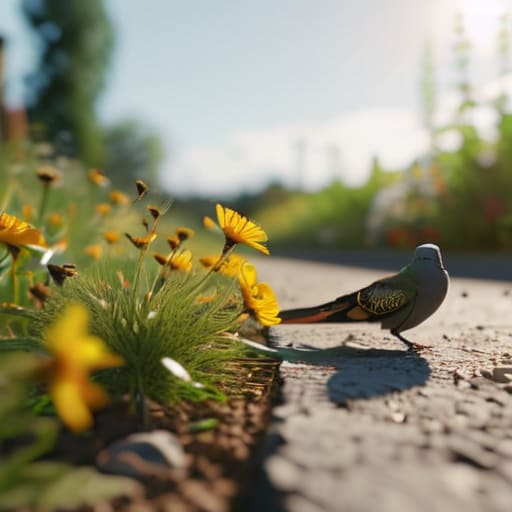
The problem isn’t just that the bugs are disappearing; it’s that our brains are actually quite good at normalizing a disaster while it’s happening. We suffer from a specific kind of psychological adaptation to change where we stop noticing the absence of things because they were never there to begin with. If you grew up in a suburb where the only “wildlife” was a few pigeons and a rogue sparrow, you aren’t going to feel the loss of a diverse meadow population. You don’t know what you’re missing because your internal baseline was set to “empty” from the start.
This creates a massive gap in our generational perception of nature. When I talk to people about the decline of Bombus terrestris (the buff-tailed bumblebee), they often shrug because they’ve only ever seen a handful of them in their lifetime. They aren’t lying; they truly believe that’s just how many bees there are. We are essentially experiencing a collective ecological memory loss, where the vibrant, buzzing landscapes of our grandparents’ era are being overwritten by a much quieter, much thinner reality that we mistake for the norm.
How to Stop Chasing Ghosts: A Field Guide to Better Baselines
- Stop treating “last year” as your starting point. If you’re only comparing this summer’s moth counts to last summer’s, you aren’t tracking a trend; you’re just tracking seasonal noise. You need a longer window—ideally a decade—to see if a population is actually sliding or if it’s just having a bad year due to a late frost.
- Build your baseline around what is actually there, not what you wish was there. I see people getting frustrated because their garden doesn’t look like a 1950s wildflower meadow, but that’s a trap. You have to document the current reality—even if it’s just a patch of nettles and some clover—before you can measure the impact of your changes.
- Learn to distinguish between “absence of evidence” and “evidence of absence.” Just because you didn’t spot a Bombus terrestris (buff-tailed bumblebee) on your transect today doesn’t mean it isn’t in your garden; it might just be a cloudy day or a windy one. A single survey isn’t a census; it’s a snapshot, and snapshots can be deceptive.
- Account for the “observer effect” in your own data. As you get better at identifying species, your numbers will naturally go up because you’re actually seeing what’s there instead of misidentifying it or missing it entirely. If you don’t acknowledge that your own growing expertise shifts the baseline, you’ll mistake your own learning curve for a population boom.
- Prioritize standardized protocols over “vibes.” It’s tempting to just head out when the weather feels right, but if you change your survey time or your route every month, your data becomes a mess of variables. Consistency is boring, but it’s the only way to ensure that when the numbers move, it’s because the insects moved, not because you changed your habits.
What to Actually Look For When the Data Moves
Stop treating last year’s survey as the “gold standard”; baselines are moving targets, and if we don’t account for the natural wobble in population numbers, we’ll mistake a seasonal dip for a total collapse—or worse, a temporary recovery for a permanent fix.
Prioritize long-term trends over single-season snapshots; one year of high bumblebee counts in your garden doesn’t mean the local population is stable, it just means the weather cooperated, so keep your eyes on the ten-year trajectory rather than the weekly WhatsApp update.
Focus on functional diversity rather than just counting heads; it’s not enough to know that “insects are back,” we need to know if the specific pollinators that hold an ecosystem together are the ones actually showing up in the transects.
Moving Beyond the Ghost of What We Think We Knew
We can’t keep using our own limited memories as a yardstick for ecological health. As we’ve seen, the way we perceive “normal” is fundamentally skewed by the era we grew up in, leading us to accept a stripped-back version of nature as the default setting. Whether it’s the way we interpret survey data or the way we subconsciously ignore the absence of certain species in our own back gardens, we are constantly fighting a shifting baseline. If we don’t anchor our conservation efforts in hard, historical data rather than our own anecdotal nostalgia, we risk spending decades trying to “restore” a landscape that was actually much more vibrant and complex than we even realize.
The good news is that once you recognize the wobble in your own perspective, you can start to correct for it. We don’t need to be perfect, but we do need to be intentionally precise. Instead of aiming for a vague sense of “more nature,” we should be looking at specific metrics: the return of a particular moth species to a hedgerow, or the measurable increase in pollinator diversity in a managed field margin. It’s about moving away from the alarmist headlines and toward the quiet, steady work of actual measurement. If we start valuing the data over the drama, we might actually stand a chance at building something genuinely resilient.
