
I spent three hours last Tuesday face-down in a damp patch of mulch, trying to count larvae through a magnifying glass while a light drizzle turned my field notebook into a soggy mess. It wasn’t glamorous, but it was necessary because the popular science articles tend to treat the soil like a magical, self-cleaning oven. They give you these sweeping, poetic metaphors about the “cycle of life,” but they rarely explain the actual mechanics of how decomposer insects work on a granular, messy level. If you only read the headlines, you’ll think these creatures are just passive janitors, when in reality, they are the aggressive, highly efficient engineers that prevent your garden from becoming a stagnant pile of rot.
I’m not here to sell you on a romanticized version of the dirt under your fingernails, nor am I going to drown you in impenetrable academic jargon. Instead, I want to show you what the surveys actually tell us about the organisms doing the heavy lifting in your soil. We are going to look at the specific roles of different taxa—from the heavy-duty shredders to the microscopic specialists—and I’ll tell you exactly which small changes to your leaf litter will actually move a population of these vital workers.
Table of Contents
Moving Beyond Myths of the Insect Decomposition Process
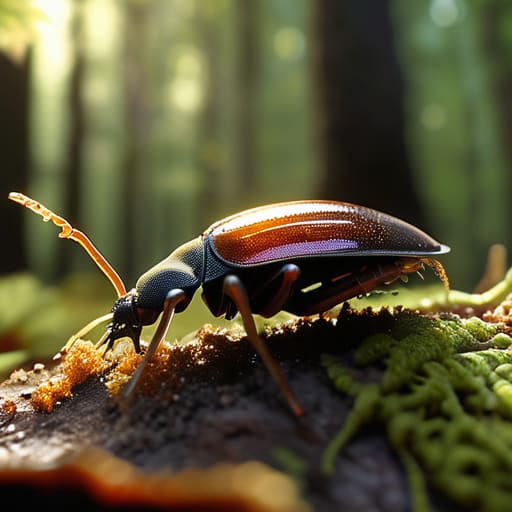
The biggest issue I see in popular science writing is the tendency to treat the insect decomposition process as this singular, magical event—as if a dead leaf just falls and suddenly, poof, it’s soil. It’s much more granular and far less tidy than that. We often hear about “nature’s recyclers” in a way that sounds almost polite, but the reality of organic matter breakdown is a frantic, high-stakes competition. It isn’t a slow, meditative transition; it’s a race between different species to claim resources before they disappear or become inaccessible.
When I’m out in the field, I see how much we oversimplify the role of detritivores in nature. People tend to lump everything from a millipede to a dung beetle into one “decomposer” bucket, but they are performing wildly different tasks. Some are the heavy machinery, physically shredding tough cellulose, while others are the fine-tuners, processing the microscopic leftovers. If we keep talking about them as a monolith, we miss the nuance of how actual nutrient cycling in ecosystems functions. We need to stop looking for a single “cleanup crew” and start seeing the complex, tiered hierarchy that actually keeps the ground beneath us alive.
The Underrated Role of Detritivores in Nature
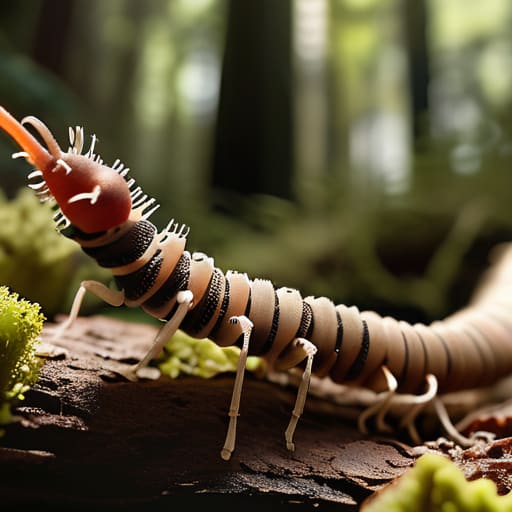
When we talk about the role of detritivores in nature, we often treat them like a background service—the biological equivalent of a “terms and conditions” page that everyone skips. But if you actually look at the mechanics of a hedgerow or a garden bed, these organisms are the primary engine for nutrient cycling in ecosystems. They aren’t just eating waste; they are converting dead, structural carbon into something a plant can actually use. Without that bridge, the energy locked in a fallen leaf or a dead twig stays locked forever.
In my own field surveys, I see the consequences of ignoring this process. When people focus solely on “charismatic” pollinators, they miss the fact that a garden’s ability to support those bees is entirely dependent on the organic matter breakdown happening beneath the surface. It is a massive, invisible logistical operation. If the scavenger insect lifecycle is interrupted—whether by heavy pesticide use or just by “tidying up” too much leaf litter—the entire system starts to starve. We aren’t just losing bugs; we are losing the essential recycling plant that keeps the soil alive.
Small Shifts for Big Soil: What Actually Moves the Needle
- Stop aiming for a “clean” garden. If you’re obsessively raking away every fallen leaf and twig, you’re essentially removing the buffet from the very creatures doing the work. Leave some leaf litter in your borders; that’s where the Isopoda (woodlice) and various beetle larvae actually live and process nutrients.
- Manage your moisture, not just your aesthetics. Most decomposers, particularly the soft-bodied ones like certain dipteran larvae, are incredibly prone to desiccation. A garden that is bone-dry due to over-mulching or constant tidying will see its decomposition rates crater, regardless of how much organic matter you provide.
- Diversify your “waste” inputs. If you only ever add one type of organic matter—say, just lawn clippings—you’re creating a very narrow niche. Mixing in woody debris, different leaf types, and even small amounts of cardboard provides a variety of carbon-to-nitrogen ratios, which supports a much wider spectrum of detritivore species.
- Avoid the “chemical quick-fix” trap. It’s tempting to use broad-spectrum pesticides to manage “pests,” but you cannot selectively target a few aphids without collateral damage to the soil fauna. When you kill the decomposers, you break the cycle of nutrient return, leaving you with soil that requires more artificial fertilizer to stay productive.
- Embrace the “messy” margins. If you have a patch of ground that you can ignore, do it. Letting a corner of the garden go slightly wild creates the stable, undisturbed microclimates that allow complex soil food webs to establish themselves. You want a community, not a sterile laboratory.
What to actually remember when the headlines start shouting
Stop thinking of decomposers as a single “cleanup crew.” In reality, it’s a highly specialized relay race where different species—from the macro-scale of earthworms to the microscopic work of soil mites—take over at specific stages of decay.
Biodiversity in your soil isn’t just a buzzword; it’s a functional necessity. A garden with a narrow range of detritivores is far more vulnerable to stagnation than one with a messy, diverse community of specialists.
Don’t panic over a little leaf litter. While headlines love to scream about “insect decline,” maintaining organic matter in your garden margins isn’t just “being messy”—it’s providing the essential habitat and food source that keeps these critical populations stable.
Moving from Theory to the Soil
When we strip away the sensationalist headlines and the overly academic jargon, what we’re left with is a much more grounded reality. Decomposers aren’t just some vague biological mechanism; they are the specific, tireless workers—from the larvae of various Coleoptera to the microscopic life in the leaf litter—that prevent our ecosystems from choking on their own waste. We’ve looked at how they break down complex organic matter and why their presence is a direct indicator of soil health. It isn’t magic, and it isn’t a “mystery of nature”—it is a rigorous, measurable process of nutrient cycling that relies on a very specific, very fragile succession of species working in tandem.
So, where does that leave us? If you want to actually support these processes, stop looking for a silver bullet and start looking at your margins. You don’t need to overhaul your entire landscape; you just need to stop being so tidy. Leaving a bit of leaf litter or letting a patch of ground go “wild” provides the literal architecture these insects need to survive. We can’t fix the global insect decline with a single grand gesture, but we can stop making life impossible for the ones already doing the heavy lifting in our own backyards. Small, evidence-based shifts in how we manage our space are where the real conservation begins.
