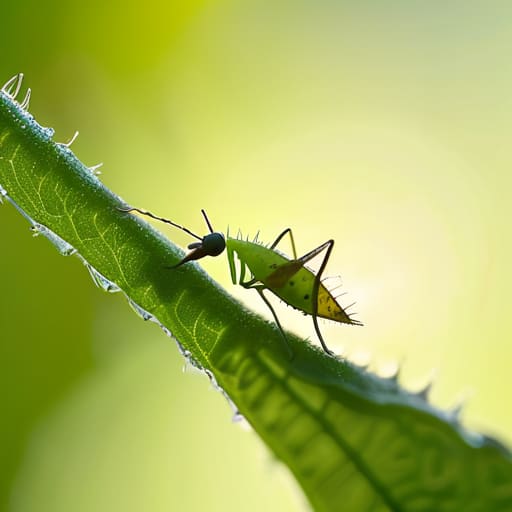
I remember standing in a damp rose garden three years ago, squinting through a hand lens at a cluster of Aphis fabae—the black bean aphid—and feeling that familiar, hollow frustration. You’ve probably seen the gardening forums or the glossy magazine headlines claiming that these tiny pests possess some kind of supernatural, unstoppable biological engine. It makes it feel like you’re fighting a losing battle against an invading army, but the truth about how aphids reproduce so fast isn’t some mysterious, terrifying phenomenon; it’s actually just a very efficient, very specific set of biological shortcuts that we often misinterpret as “explosions.”
I’m not here to sell you a bottle of expensive, broad-spectrum pesticide or to scare you with doom-and-gloom statistics that don’t actually apply to your backyard. Instead, I want to walk you through the actual mechanics of their lifecycle, from parthenogenesis to those rapid-fire generations that happen while you’re busy sleeping. We are going to look at the real data behind the population spikes so you can stop reacting to every single green speck on your plants and start understanding the ecological balance of your own garden margins.
Table of Contents
The Nuance of Viviparous Reproduction and Asexual Cycles
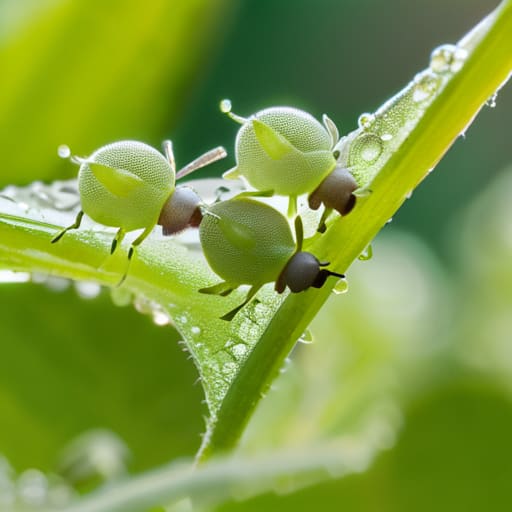
When we talk about the sheer speed of an outbreak, we aren’t just talking about a high birth rate; we are talking about a complete bypass of the traditional biological “cost” of sex. Most insects have to find a mate, compete for territory, and deal with the energetic drain of producing eggs. Aphids, however, frequently utilize viviparous reproduction, which is a fancy way of saying they give birth to live, fully-formed clones rather than laying eggs. Because they are essentially producing miniature, pre-programmed versions of themselves, they skip the most time-consuming parts of the life cycle entirely.
This is where the real pest population explosion happens. During the warmer months, many species move into a phase of asexual reproduction in insects that feels less like a natural cycle and more like a runaway train. Instead of waiting for a new generation to hatch from an egg, the mother is essentially a walking factory, pumping out nymphs that are ready to feed almost immediately. It’s not just that they reproduce quickly; it’s that they are essentially multiplying without a pause button between generations.
Why Aphid Life Cycle Stages Drive Rapid Spikes
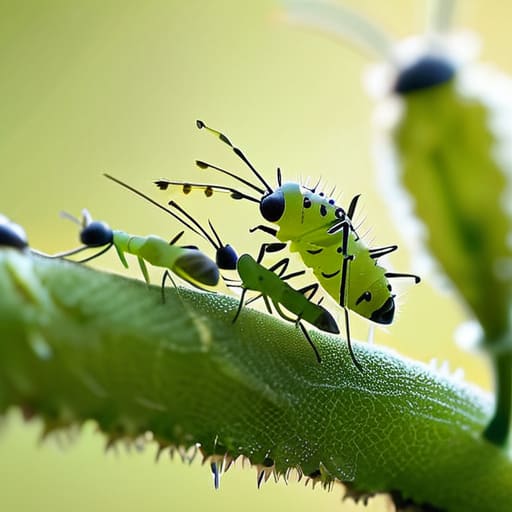
The real driver behind a sudden pest population explosion isn’t just one biological trick; it’s the way the aphid life cycle stages are timed to exploit the environment. In the spring, you’re mostly dealing with sexual reproduction, where winged adults mate and lay eggs. It’s slow, it’s messy, and it’s relatively stable. But as the temperature climbs, the strategy shifts entirely. The population moves from that slow-burn sexual phase into a high-speed, clonal mode that feels less like biology and more like a software glitch.
This is where the seasonal aphid population changes become visible to the naked eye. Because they transition into a phase of asexual reproduction in insects—specifically producing live young that are essentially clones of the parent—the generation time collapses. You aren’t waiting for eggs to hatch and larvae to mature; you are essentially seeing a single organism’s lineage expand exponentially in a matter of days. It’s this specific hand-off between the slow, egg-laying phase and the rapid-fire viviparous phase that creates those sudden, overwhelming spikes in your garden.
Beyond the Outbreak: What You Can Actually Do About Rapid Aphid Spikes
- Stop reaching for the heavy-duty sprays the moment you see a cluster on a rose bush. Because aphids reproduce via parthenogenesis—that’s the asexual cloning I mentioned earlier—killing the visible adults often just clears the way for the next generation of clones to take over. Focus on managing the habitat rather than just the individual insect.
- Prioritize “messy” garden margins. If you’ve cleared every bit of dried stem and leaf litter, you’ve removed the habitat for the hoverflies and lacewings that actually keep aphid numbers in check. A little bit of controlled chaos provides the structural complexity these predators need to hunt effectively.
- Watch your nitrogen levels, not just your pests. It’s easy to blame “bad luck” for an aphid spike, but high-nitrogen fertilizers create a flush of soft, succulent plant tissue that is basically an all-you-can-eat buffet for clones. If you’re seeing a sudden surge, check your feeding schedule before you check your pesticide cupboard.
- Plant for the predators, not just the aphids. While we often talk about pollinator-friendly flowers, we need to be equally intentional about planting things that support aphidophagous insects—the ones that eat aphids. Species like alyssum or dill provide the nectar sources that keep the “good guys” hanging around your garden long enough to do their jobs.
- Learn to distinguish between a population and a plague. I see a lot of panic in my WhatsApp group when someone spots a single colony, but a localized cluster isn’t always a sign of a systemic collapse. If the predatory insect population is present, let them work. The data shows that a balanced ecosystem handles these reproductive surges far more efficiently than a sterile one.
The Real Story Behind the Spikes
It isn’t just “fast breeding”—it is the biological shortcut of viviparity, where aphids skip the egg stage entirely to produce live young, effectively cutting the waiting time in half.
The population surges we see aren’t random; they are the result of a perfect storm where seasonal temperature shifts and plant quality trigger a transition from sexual to asexual reproduction.
While headlines focus on the “explosion,” the data shows that these spikes are actually highly sensitive to micro-climates, meaning a single warm week in a garden margin can do more to drive numbers than the broader regional trends.
Moving Beyond the Outbreak Panic
When we step back from the immediate frustration of seeing a cluster of aphids on a new rose bush, the biological reality is actually quite elegant. It isn’t just “random” growth; it is a highly specialized survival strategy where viviparous reproduction and asexual cycles allow them to bypass the slow, traditional steps of egg-laying. By essentially producing live young that are already primed for growth, they turn a single plant into a high-speed nursery. Understanding that these spikes are driven by specific life cycle stages—rather than just being an unstoppable force of nature—helps us realize that population surges are predictable responses to environmental cues, not just chaotic accidents.
So, what do we actually do with this information? Instead of reaching for the strongest chemical spray the moment you see a tiny green speck, I suggest looking at the wider ecology of your garden. If you can support a diverse range of predators, like hoverflies or ladybirds, you aren’t just fighting a war; you are restoring a balance that the aphids are trying to exploit. We don’t need to eliminate every single insect to have a healthy space, but we do need to stop treating every population spike like an apocalypse. If we focus on building resilient margins rather than sterile zones, we create a landscape where nature handles the math for us.
