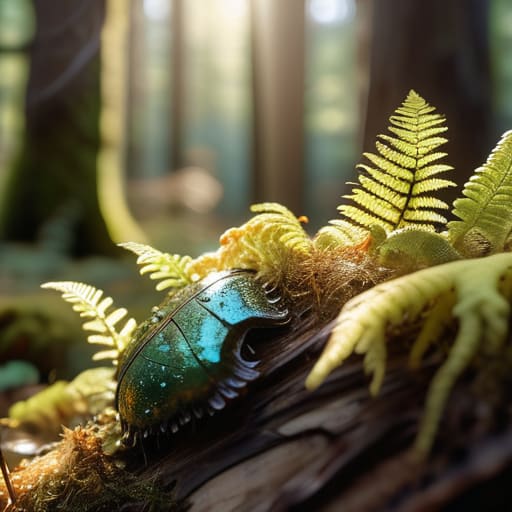
I spent three hours last Tuesday knee-deep in a soggy hedgerow, shivering in a waterproof jacket that had long since given up, just to document a single cluster of Lucanus cervus larvae. People see a fallen, rotting branch in a garden and think it’s a sign of neglect or a trip hazard that needs clearing. They want “tidy,” but tidy is often a death sentence for local ecology. The truth about how deadwood supports species isn’t found in a glossy landscape design brochure; it’s found in the messy, decomposing reality of a log that’s been left to do its job.
I’m not here to give you a lecture on theoretical ecosystem services or drown you in academic jargon. Instead, I want to show you what actually happens when you stop tidying up so much. I’ll be looking at the specific, measurable ways that decaying organic matter functions as a nursery and a supermarket for the insects we are actually trying to save. We’re going to move past the headlines and look at the actual mechanics of decay, so you can turn a “messy” corner of your garden into a functional habitat.
Table of Contents
The Complex Reality of Microhabitats in Decaying Wood
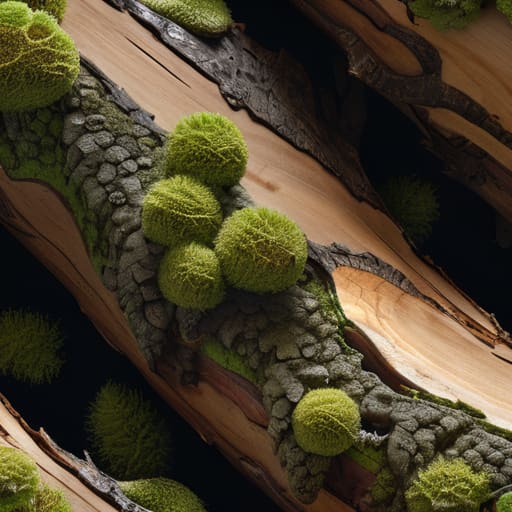
When we talk about deadwood, we tend to picture a single, uniform category of “stuff on the ground.” But if you’ve ever spent a morning peering into a split oak log, you know it’s actually a sprawling, multi-storey apartment complex. The real magic happens within the microhabitats in decaying wood, where the physical state of the timber dictates who can live there. A piece of bark that’s just started to peel offers a completely different set of insect habitat niches than a soft, punky stump that’s been soaking in the rain for a decade.
It isn’t just about finding a place to hide, either. We have to look at the chemistry. The saproxylic beetle life cycles—those specialists that depend entirely on dead or dying wood—are intimately tied to the specific stage of decay. They aren’t just hanging out; they are waiting for the exact moment when fungal decomposition processes have softened the cellulose just enough to make it edible. If we clear away “messy” wood too early, we aren’t just tidying up; we are effectively evicting the very specialists that drive the entire system.
Why Saproxylic Beetle Life Cycles Depend on Decay
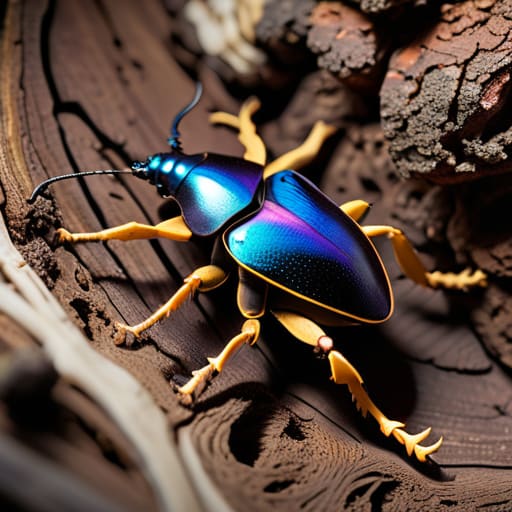
When we talk about “deadwood,” we often picture a static pile of debris, but for a saproxylic beetle, that wood is a high-stakes, moving target. These aren’t just bugs that happen to be found near old trees; their entire existence is tied to the specific stage of decay. A beetle like the Lucanus cervus (European Stag Beetle) doesn’t just need “wood”—it needs wood that has been softened by specific fungal decomposition processes over several years. If the wood is too fresh, it’s too hard to navigate; if it’s too gone, the structural integrity required for larval development vanishes.
This means the timing is everything. Most saproxylic beetle life cycles are a slow-motion race against the breakdown of their nursery. They rely on a very narrow window where the moisture content and fungal presence are just right. When we manage woodlands by “cleaning up” fallen timber, we aren’t just tidying; we are effectively deleting the specific insect habitat niches that these specialists require to complete a single generation. It’s not a matter of having wood present; it’s a matter of having the right stage of rot at the right time.
How to actually manage your space for saproxylic species
- Stop aiming for “tidy.” If you’re clearing every fallen branch the moment it hits the ground, you’re effectively deleting the nursery for dozens of beetle species. Leave the mess, but try to keep it in a corner where it won’t become a tripping hazard.
- Prioritize “standing deadwood” where it is safe to do so. While fallen logs are great, many species specifically look for vertical structures—snags or dead branches still attached to trees—because they provide different moisture levels and fungal profiles than something lying on the damp soil.
- Aim for a variety of decay stages. A fresh fallen limb and a stump that is half-turned to mulch serve completely different biological functions; you need the “new” wood for some species and the “mushy” wood for others to ensure a continuous cycle.
- Diversity of wood type matters. If your garden is entirely planted with a single species of ornamental tree, your deadwood will be a monoculture. Mixing in native species like oak or birch provides a wider chemical palette for the fungi that these insects rely on.
- Don’t chop it up. The instinct to use a woodchipper is the enemy of biodiversity. Once you turn a log into mulch, you’ve destroyed the structural architecture that many larvae need to burrow through and survive the winter.
The Bottom Line for Your Garden or Field Margin
Stop viewing “mess” as a failure of maintenance; a rotting log isn’t a garden error, it’s a high-density apartment complex for saproxylic beetles that can’t survive on manicured lawns.
Biodiversity isn’t a monolith, so don’t expect one log to solve everything—different stages of decay support different species, meaning the “perfect” habitat is actually a messy, multi-year timeline of rot.
If you want to see real results, focus on structural diversity rather than just planting flowers; providing the physical substrate for life cycles to complete is just as vital as the nectar they drink.
Moving Beyond the "Tidiness" Trap
We have to stop viewing a fallen branch or a crumbling stump as a sign of neglect. As we’ve looked at, the sheer variety of microhabitats within a single piece of decaying wood—from the moisture-rich cambium layer to the fungal-colonized heartwood—is what fuels such high levels of specialized biodiversity. Whether it is the specific larval requirements of saproxylic beetles or the niche spaces needed by predatory wasps, these aren’t just “bugs in wood”; they are highly specialized life cycles that have evolved over millennia to rely on this exact stage of decomposition. If we strip the landscape of its mess, we aren’t just tidying up; we are effectively removing the infrastructure that these species need to exist.
I know it feels counterintuitive when you’re trying to maintain a managed garden or a tidy woodland edge, but conservation isn’t about aesthetics; it’s about function. We don’t need to turn our entire world into a chaotic heap of debris, but we do need to leave some corners alone. If you can commit to leaving just one or two rotting logs in a corner of your plot, or resisting the urge to clear away every bit of woody debris after a storm, you are providing a foundational resource for the local ecosystem. It is a small, messy, and incredibly effective way to ensure that the quiet work of nature can actually continue.
