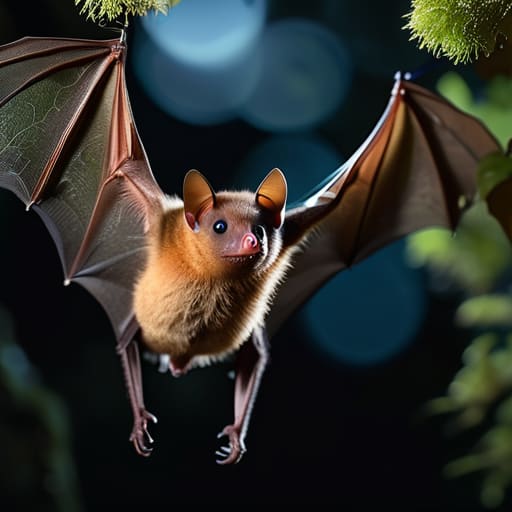
I was standing in a damp, pitch-black woodland clearing three years ago, clutching a handheld ultrasonic detector that was doing absolutely nothing but making my hands ache, when I realized how much the “expert” literature gets wrong. Most people searching for a complete guide to bats are met with one of two extremes: either terrifying urban legends about rabies and vampires, or academic papers so dense they might as well be written in ancient Aramaic. There is this massive, unhelpful gap between the scary headlines and the actual, messy reality of how these mammals move through our landscapes. I’ve spent enough nights shivering in hedgerows to know that the truth isn’t found in a spooky campfire story, but in the nuanced data of how they actually use our gardens and corridors.
I’m not here to give you a sensationalist list of myths or a textbook that requires a PhD to navigate. Instead, I want to offer a practical, evidence-led look at what we actually know about their ecology and how you can support them without turning your backyard into a chaotic mess. We’re going to look at the species, the survey methods that actually work, and the small, measurable changes you can make to help them thrive.
Table of Contents
Decoding Nocturnal Mammal Characteristics Beyond the Scary Stereotypes
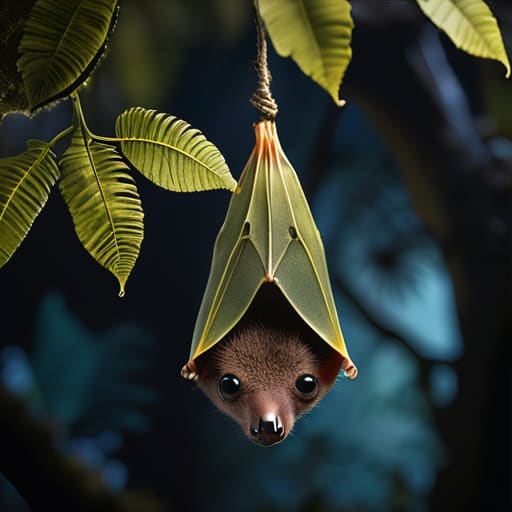
When people think of nocturnal mammals, they usually jump straight to the “spooky” imagery—the leathery wings, the frantic fluttering, the idea of something lurking in the shadows. But if you step back from the horror movie tropes and look at actual nocturnal mammal characteristics, you see a masterclass in evolutionary engineering. Take their sensory systems, for example. It isn’t just about “seeing in the dark”; it’s about how they’ve repurposed biology to navigate a world that most of us can’t even perceive.
Take Chiroptera—that’s the order for bats—and their use of bat echolocation technology. It isn’t some magical superpower; it’s a precise, high-frequency biological sonar that allows them to map their environment in real-time. When I’m out doing surveys, I’m not looking for monsters; I’m looking for these incredibly specialized acoustic signatures. Understanding how they use sound to find a single moth mid-flight changes how you view them. They aren’t “creepy”; they are hyper-specialized precision tools of the ecosystem, and that distinction matters if we actually want to talk about their survival.
Identifying Bat Species Without Relying on Anecdotal Evidence
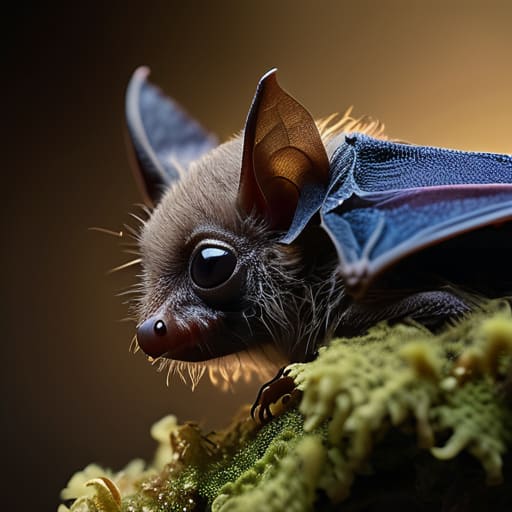
When people tell me they “saw a bat” in their garden, they usually mean they saw a dark, blurry shape darting through the twilight. While that’s a great feeling, it’s actually pretty useless for real science. If we want to talk about identifying bat species accurately, we have to move past the “it looked like a tiny dragon” stage and look at the morphology. In the field, I’m not looking at the wingspan alone; I’m looking at the shape of the ears, the length of the tragus (that little projection inside the ear), and the specific way they fly. A Pipistrelle has a much different, more erratic flight pattern than a much larger, more graceful Long-eared bat.
It’s also important to distinguish between what we see with our eyes and what the data tells us. This is where bat echolocation technology becomes the real heavy lifter. Because many species are incredibly similar in appearance, we often rely on ultrasonic detectors to “hear” the specific frequency of their calls. It’s a bit like trying to identify a bird by the sound of its song rather than just its color. Without that acoustic data, we’re mostly just guessing, and in conservation, guessing is a dangerous way to manage a landscape.
Moving Beyond the Spooky: Five Ways to Actually Support Your Local Bat Populations
- Stop trying to “save” every single bat you see; instead, focus on the landscape. Bats don’t live in a vacuum, and a single bird box in a concrete garden does nothing if there isn’t a connected corridor of hedgerows or dark, insect-rich woodland for them to navigate.
- Manage your light pollution with intention. It’s not just about “turning lights off”—it’s about the spectrum. High-intensity white LED streetlights are essentially a giant “keep out” sign for many species, so if you can, opt for warmer, shielded lighting that directs the glow downward rather than into the flight paths.
- Understand the “insect-bat” feedback loop. People often think bats are a pest because they eat insects, but the data shows they are actually a vital pressure valve. If you want more bats, you need a messy, pesticide-free garden that supports a high biomass of moths and beetles.
- Don’t mistake a single sighting for a population trend. I see people get incredibly excited about one Pipistrelle and assume their local colony is thriving, but one bat is just an individual. To know if your area is actually healthy, we need long-term monitoring data, not just one-off snapshots.
- Respect the roosting sites, even the “unimportant” ones. A cracked roof tile or a gap in a garden wall might look like a structural flaw to you, but to a bat, it’s a critical thermal refuge. If you’re doing renovations, check the local guidance on bat-friendly building materials—it’s much easier to build it in than to fix a habitat loss later.
What the data actually says: Three things to remember
Stop looking for “scary” traits and start looking for ecological indicators; bats aren’t just nocturnal mammals, they are living data points that reflect the health of your local insect populations and landscape connectivity.
Identification requires more than a blurry photo or a “feeling”—true species identification relies on consistent observation of flight patterns, ear shapes, and habitat use rather than local folklore.
Conservation isn’t about feeding “cute” animals; it’s about protecting the specific, often boring, micro-habitats like hedgerow margins and dark corridors that allow these species to move through a fragmented world.
Moving Beyond the Myths
At the end of the day, understanding bats requires moving past the “spooky” tropes and looking at the actual ecological indicators. We’ve looked at how to distinguish species by their flight patterns and echolocation rather than just by how much they scare us, and we’ve seen why anecdotal sightings are a poor substitute for real data. It isn’t about whether a bat is “good” or “bad”—it’s about recognizing them as essential components of a functioning food web. When we stop treating them as characters in a horror movie and start seeing them as the specialized nocturnal insectivores they are, the conservation conversation changes from fear to functional ecology.
I know that it’s easy to feel overwhelmed by the scale of biodiversity loss, but conservation doesn’t always require a massive, sweeping policy change to start making a dent. Sometimes, it’s as simple as leaving a bit of messy scrub at the edge of your garden or ensuring your local pond isn’t over-sanitized. If we can shift our perspective from seeing these animals as pests to seeing them as vital bioindicators, we can build landscapes that actually work for them. Let’s stop relying on the headlines and start looking at the real-world evidence in our own backyards.
