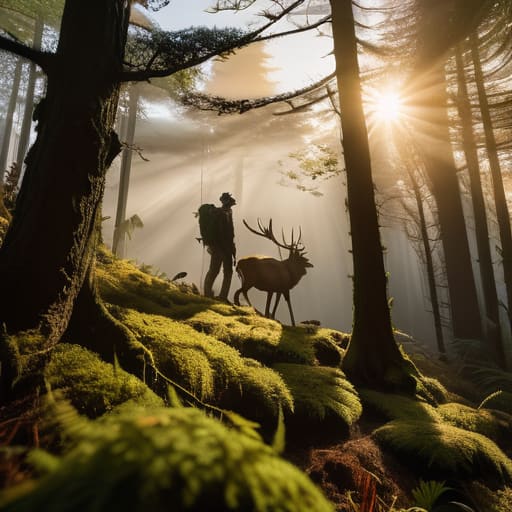
I spent three weeks of my second summer in the field standing in a hedgerow that was essentially a glorified mud puddle, shivering in a waterproof jacket that had long since given up on being waterproof. I wasn’t there for a scenic stroll; I was there because I needed to know if the Bombus terrestris—the common buff-tailed bumblebee—was actually using that specific strip of bramble. Most people think learning how to plan a wildlife walk involves buying a pair of expensive Swarovski binoculars or downloading a dozen high-tech identification apps, but honestly? That’s just a way to perform “nature” without actually seeing it. If you spend your whole time squinting through a lens at a single butterfly, you’re going to miss the entire ecosystem happening right under your boots.
I’m not here to give you a glossy checklist of “must-see” species that only show up when the weather is perfect. Instead, I want to show you how to set up a walk that actually yields meaningful data, even if that data is just realizing your local meadow is currently a monoculture of nettles. We are going to talk about choosing transects that don’t lie to you, the importance of timing your movements, and why a vague headcount is the enemy of real conservation.
Table of Contents
Smart Nature Trail Selection Over Scenic Shortcuts
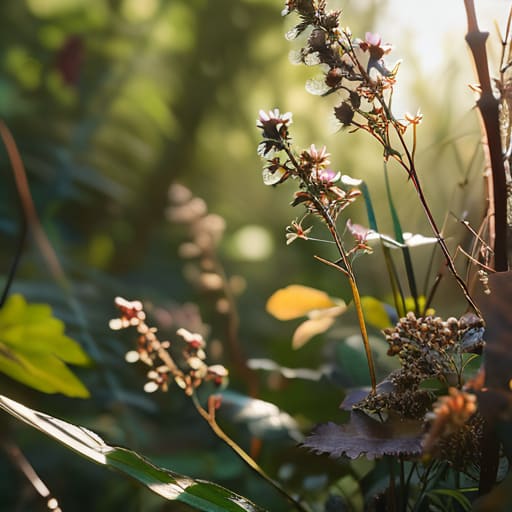
When you start looking at maps, it is incredibly easy to fall into the trap of picking a trail based on the “scenic views” promised in a brochure. But if your goal is actual data—or even just a meaningful encounter with something living—you have to prioritize nature trail selection based on habitat complexity rather than aesthetic charm. A manicured park with mown grass and ornamental shrubs might look lovely in a photo, but for a surveyor, it’s a biological desert. You want edges. You want the messy, unkempt margins where a hedgerow meets a meadow, because that’s where the real density lives.
Don’t just chase the sunset; you need to align your route with animal activity patterns. If you are trekking through a dense woodland at noon, you are essentially looking for ghosts. I’ve spent far too many hours staring at bark waiting for a movement that never came because I ignored the timing. Instead, look for trails that offer varied microclimates—patches of shade, damp hollows, or sun-warmed stone. Diversity of structure is what drives diversity of species, and a trail that offers a bit of everything will always beat a scenic shortcut through a single, uniform landscape.
Decoding Animal Activity Patterns Beyond the Snapshot
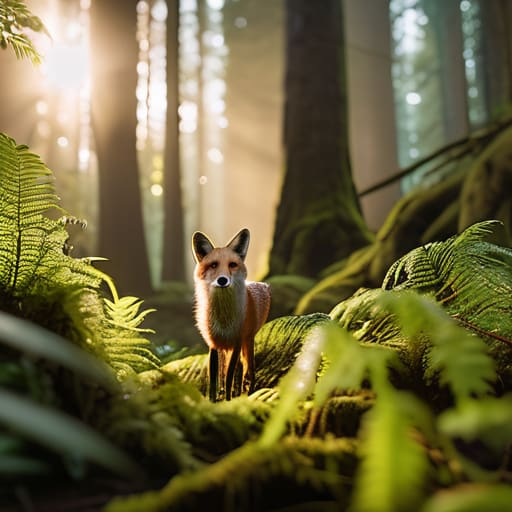
The biggest mistake I see people make is treating a walk like a single, static photograph. You arrive at 11:00 AM on a Tuesday, see two robins and a butterfly, and conclude the area is biologically stagnant. That’s not how it works. To actually understand animal activity patterns, you have to account for the fact that most species are operating on schedules that don’t align with your lunch break. If you’re only ever out when the sun is high, you’re missing the entire crepuscular world—those creatures that thrive in the low light of dawn and dusk.
This is where people often get frustrated, thinking they’ve picked a “dead” trail, when really they’ve just picked a dead time. If you want to move beyond a superficial glance, you need to vary your timing. A trail that feels empty in the heat of the afternoon might be a highway for mammals or specific moth species at twilight. True observation requires patience and a bit of temporal variety; it’s about realizing that a lack of sightings isn’t necessarily a lack of life, it’s just a mismatch in your scheduling.
Beyond the Pretty Views: Five Ways to Actually Gather Data
- Stop aiming for the “scenic route” and look for the margins. If you spend your whole walk on a paved path or in the middle of a manicured park, you’re missing the high-traffic zones. The real action—the messy, unkept edges where hedgerows meet fields—is where the biodiversity actually lives.
- Choose your methodology before you lace up your boots. Are you doing a fixed-radius transect, where you walk a straight line and record everything within two meters, or are you just doing a casual sweep? If you don’t decide this beforehand, you aren’t conducting a survey; you’re just taking a stroll, and your data will be useless for comparison later.
- Pack for the “uncomfortable” weather, not the Instagram weather. I’ve spent more hours in the rain counting Bombus terrestris than I have in the sun, and honestly, the insects don’t care if you’re damp. If you only go out when it’s perfect, you’re only seeing a tiny, skewed fraction of what’s actually happening in the ecosystem.
- Bring a way to record the “unidentifiable.” You will inevitably see a beetle or a moth that you cannot name on the spot, and that is fine. Don’t just skip it because you’re embarrassed; take a macro photo or a quick sketch and a note of the habitat. Knowing something was there is better than pretending it didn’t exist because you couldn’t find it in a field guide.
- Account for the “observer effect” in your timing. If you’re walking through tall grass to find pollinators, you are physically disturbing the very things you’re trying to count. Plan your route so you aren’t trampling the exact patches you intend to survey five minutes later, or you’ll end up recording the movement of insects fleeing you rather than their natural presence.
Moving From Sightings to Actual Data
Stop aiming for a “pretty” list; a walk that only shows you the obvious, charismatic species like butterflies isn’t a survey, it’s a stroll, so prioritize habitats like messy hedgerows or damp margins where the real biodiversity—the stuff that actually keeps the ecosystem running—is usually hiding.
Respect the temporal limits of your data by acknowledging that a single afternoon tells you almost nothing about a population, so treat your observations as a single data point in a much longer, much more complex seasonal story rather than a definitive verdict on what lives there.
Prioritize consistency over intensity, because it is better to walk the exact same ten-meter stretch of path every week for a month than to visit ten different “wild” locations once and end up with a collection of incomparable, noisy numbers that don’t actually prove anything.
Beyond the Notebook
Ultimately, planning a walk that actually yields data—even if it’s just data for your own curiosity—comes down to moving past the superficial. It’s about choosing a site that offers genuine habitat variation rather than just a pretty view, and understanding that a single hour on a Tuesday afternoon tells you almost nothing about the temporal rhythm of a landscape. If you aren’t accounting for the time of day or the specific micro-habitats like hedgerow margins or damp depressions, you aren’t really surveying; you’re just taking a stroll. Remember that consistency is more valuable than a massive, one-off headcount, because a series of small, methodical observations is what actually allows you to spot a trend before it becomes a disappearance.
I know it sounds a bit clinical, and maybe a little less romantic than the “nature walk” promised by glossy magazines, but there is a profound kind of magic in the precision. When you stop looking for the “charismatic megafauna” and start looking for the specific way a solitary bee interacts with a particular flower, the world becomes much more crowded and much more interesting. We don’t need more people shouting about extinction; we need more people who actually know what is still here. So, grab your notebook, pick a patch of ground, and start looking closely. The more accurately we measure what we have, the better we can fight to keep it.
