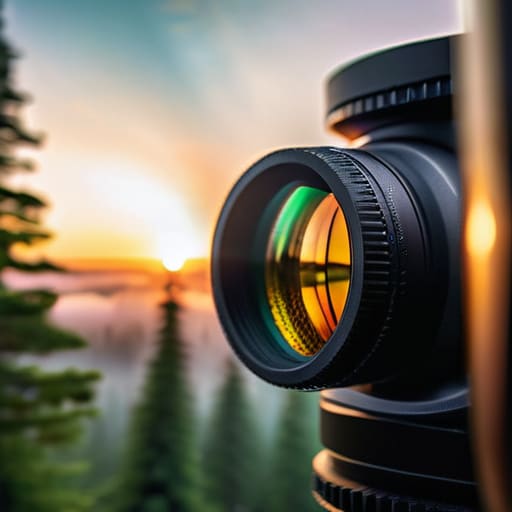
I once spent forty-five minutes squinting through a pair of “professional grade” binoculars that were supposedly the gold standard for field biologists, only to realize I was staring at a blurry, greenish smudge that could have been a rare Bombus sylvicola or just a very large, out-of-focus leaf. It turns out that most of the marketing around high-end glass is designed to separate you from your money, not to actually help you see a moth’s wing scales in the twilight. When you are trying to figure out how to choose optics that won’t fail you when the light hits that specific, difficult angle, you have to ignore the glossy brochures and start looking at the actual physics of what the lenses are doing.
I’m not here to sell you on a lifestyle brand or a piece of gear that costs more than my monthly stipend. Instead, I want to talk about what actually matters when you’re standing in a damp hedgerow at 5:00 AM: light transmission, field stability, and resolution. I promise to walk you through the technical specs without the academic jargon, showing you how to spot the difference between genuine quality and expensive marketing fluff so you can actually see the world you’re trying to protect.
Table of Contents
Why Optical Lens Clarity Trumps Every Shiny Sales Pitch
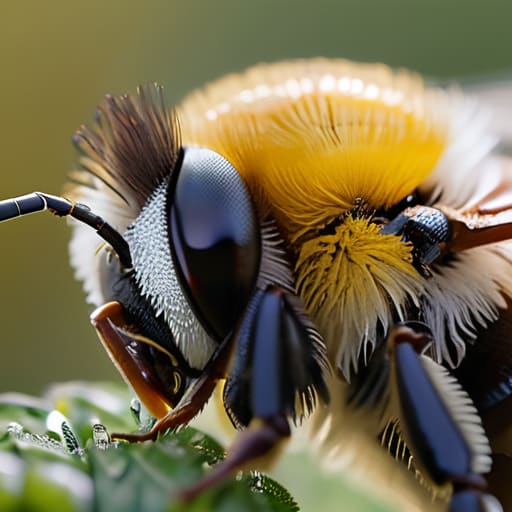
When you’re standing in a damp hedgerow at 5:00 AM trying to distinguish a Bombus terrestris from a slightly different bumblebee species, you don’t care about how many “features” a manufacturer has slapped on a spec sheet. You care about optical lens clarity. I’ve spent too many mornings squinting through cheap binoculars where the center of the view is sharp but the edges are a blurry, chromatic mess. That’s not just annoying; it’s how you misidentify a species and ruin a data set. If the glass isn’t high-quality, you aren’t actually seeing the insect; you’re seeing a distorted version of it that makes taxonomic work nearly impossible.
The marketing teams love to push high optical magnification ratios, making you think 12x zoom is the gold standard for field work. In reality, higher magnification often just amplifies the shake in your hands and degrades your low light performance. If you’re surveying during the twilight hours when many pollinators are most active, you need glass that actually pulls in the available light rather than just making a dark scene look larger and grainier. Don’t let a high number fool you; prioritize the quality of the light transmission over the sheer power of the zoom.
The Truth About Optical Magnification Ratios and Field of View Importance
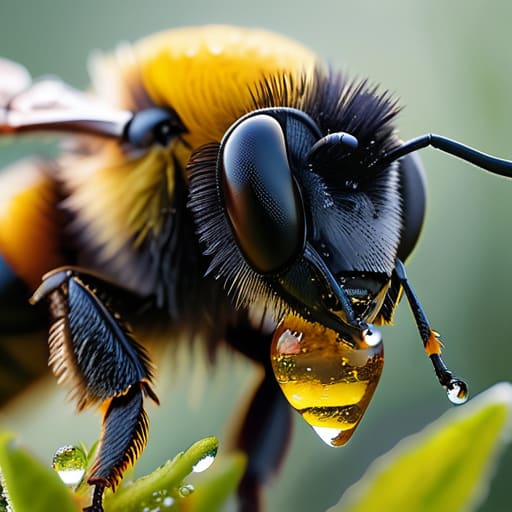
I spent three months in a damp hedgerow last spring trying to identify Bombus terrestris variants through a pair of binoculars that promised “10x magnification” like it was some sort of magic wand. Here is the reality: higher magnification is not a shortcut to better data. In fact, the higher the number, the more every tiny tremor in your hands is magnified, turning a clear specimen into a blurry, vibrating mess. When you are trying to count tiny movements in a field margin, you often find that optical magnification ratios actually work against you by sacrificing stability for a zoomed-in view that is impossible to hold steady.
This is where field of view importance becomes the real deciding factor for fieldworkers. If your magnification is so high that you can only see a tiny, postage-stamp-sized patch of grass at a time, you will miss the very thing you are looking for. I would much rather have a wider, stable window that lets me track a beetle moving through leaf litter than a high-power lens that makes me feel like I’m looking through a straw. Stability and context always beat raw zoom.
Stop Reading the Spec Sheet and Start Testing the Glass
- Prioritize light transmission over everything else. You can have the most expensive binoculars in the world, but if they can’t pull detail out of the dim light under a dense hedgerow at 4:00 PM, you’re just looking at blurry shadows. Look for the actual percentage of light transmission in the technical specs, not just a “premium” label.
- Check the eye relief if you wear glasses. I spent a ridiculous amount of money on a pair of high-end field glasses during my first year of fieldwork, only to realize I couldn’t actually see anything through them because the eye cups didn’t allow for my frames. It’s a small detail that will ruin your entire afternoon if you get it wrong.
- Don’t get seduced by high magnification. It’s a common trap: you think 12x magnification will help you see the wing patterns on a Bombus terrestris, but in reality, it just makes every tiny hand tremor feel like an earthquake. Stick to 8x or 10x; you want stability and a wider field of view so you can actually find the insect before it flies out of your sightline.
- Test the weight-to-durability ratio. I’ve spent more hours than I care to admit with a neck strap digging into my collarbone while I’m trying to navigate a muddy transect. If they are too heavy, you won’t carry them; if they are too flimsy, a single drop on a limestone outcrop will turn them into very expensive paperweights.
- Look for “edge-to-edge” sharpness. Cheap optics often look great when you’re staring dead-center, but the moment you try to observe something slightly off-axis, the image turns into a distorted mess. You need the clarity to hold across the entire lens, otherwise, you’ll spend more time adjusting your head than actually observing the biology.
The Fieldwork Reality Check
Prioritise light transmission and clarity over high magnification; a 10x lens that’s too dim to see a moth’s wing pattern in a hedgerow shadow is functionally useless, whereas an 8x lens that resolves detail will actually help you make an identification.
Don’t get blinded by “multi-coated” marketing jargon; look for evidence of how the glass handles glare in real-world conditions, because if you can’t see through the lens when the sun hits the canopy, you aren’t actually seeing the insect.
Value your field of view as much as your zoom; if your magnification is so high that you can’t keep a moving beetle in frame, you’ll spend more time hunting for the specimen than actually recording the data.
Getting It Right Before You Hit the Field
At the end of the day, choosing optics isn’t about collecting a set of technical specs to brag about in a forum; it’s about making sure you actually see what’s in front of you. If you chase high magnification but sacrifice a wide field of view, you’re going to spend your entire afternoon hunting for a single Bombus terrestris that’s already flown past your lens. Prioritize clarity and light transmission over the marketing jargon, because when you’re squinting through a lens in the low light of a hedgerow margin, the quality of the glass is the only thing that matters. Don’t let a fancy number on a box trick you into buying something that turns your field observations into a blurry, frustrating mess.
We are currently living through a period where the data we collect—the actual, physical counts of what is left in our landscapes—is more critical than ever. If our observations are flawed because we used cheap, substandard equipment, we are essentially building our conservation strategies on sand. Good optics are an investment in the accuracy of our science, whether you’re a PhD student or just someone trying to identify a moth in their back garden. Buy tools that allow you to see the world with the precision it deserves, and let the evidence speak for itself.
