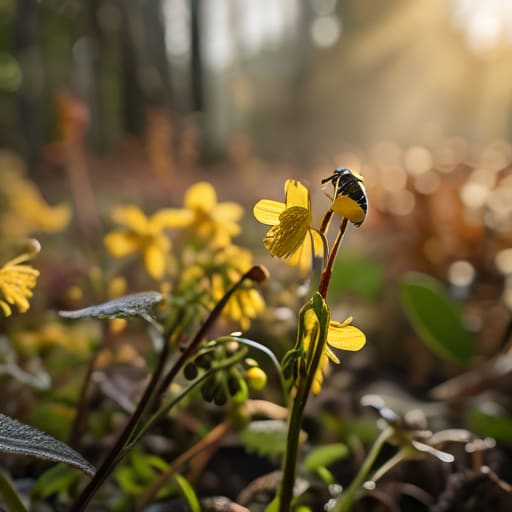
I spent three years of my PhD counting Bombus terrestris—the Buff-tailed bumblebee—on transects in the pouring rain, and if those muddy mornings taught me anything, it’s that a single, beautiful summer flowerbed isn’t a solution. We see these gorgeous, Instagram-ready gardens in July, but by late September, they’re essentially a biological desert. Most people think they’ve done their bit because they bought a few lavender plants, but if you want to know how to plant for pollinators through the year, you have to stop thinking about aesthetics and start thinking about caloric continuity.
I’m not here to sell you expensive, designer seed mixes that promise the world but deliver nothing but filler. Instead, I want to walk you through what the survey data actually tells us about hunger gaps. We are going to look at how to build a staggered bloom schedule that actually moves the needle for local insect numbers, from the first emerging queens in spring to the late-season moths. I’ll tell you which plants are reliable workhorses and where the evidence is actually a bit thin, so you can stop guessing and start growing for real.
Table of Contents
Avoiding Floral Gaps in Garden Design
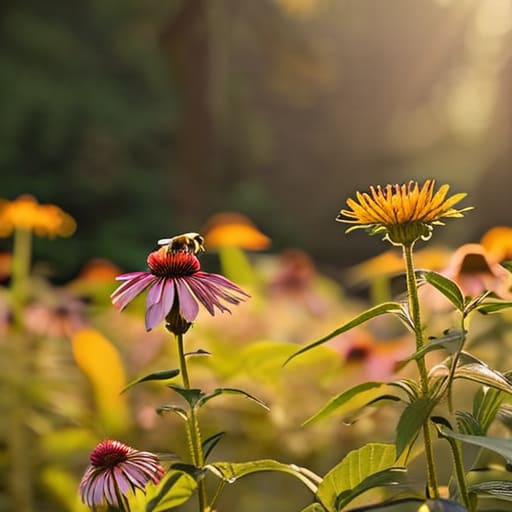
The biggest mistake I see in garden design isn’t a lack of flowers; it’s the “July Glut.” People tend to plant heavily for the peak of summer, resulting in a beautiful, nectar-rich explosion in July followed by a sudden, catastrophic drop-off in August. When you look at the life cycles of most local species, this is exactly when they are most vulnerable. If you aren’t avoiding floral gaps in garden layouts by planning for those lean periods, you aren’t actually providing a reliable food source; you’re just providing a seasonal buffet that leaves them starving by autumn.
To fix this, you need to move away from purely aesthetic clusters and toward a functional seasonal bloom calendar. I always tell my moth trap group that a garden shouldn’t just look good in a photo; it needs to function like a continuous supply chain. This means balancing perennial vs annual pollinator plants to ensure stability. While annuals provide a quick burst of energy, it is the perennials that offer the structural reliability needed to support local insect populations through the unpredictable shifts of spring and late autumn.
Native Plants for Bees and Butterflies
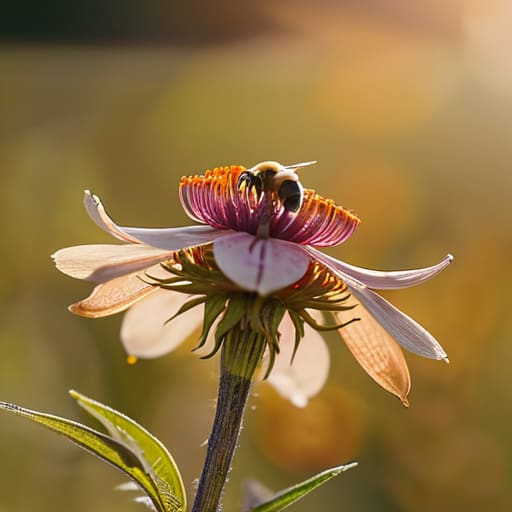
When I’m out on a transect, I see the same pattern: a garden might look like a riot of colour in July, but it’s a desert by mid-September. This is why choosing native plants for bees and butterflies isn’t just about aesthetics; it’s about evolutionary synchronicity. Local insects have spent millennia co-evolving with specific flora. While a flashy, double-petalled hybrid rose might look lovely in a catalogue, it often offers zero pollen reward because the reproductive parts are buried under layers of decorative petals. If you want to actually support local insect populations, you have to prioritize the “unfashionable” species that your local specialists are actually looking for.
I tend to get asked a lot about the perennial vs annual pollinator plants debate. Honestly? It isn’t an either-or situation. Annuals are great for filling quick gaps, but perennials provide the structural reliability a landscape needs. If you want to succeed in creating nectar corridors that actually function, you need a mix. You need the reliable, deep-rooted perennials that return every year to provide a steady baseline, supplemented by annuals that can plug those tricky, unpredictable windows in your seasonal bloom calendar.
Beyond the Pretty Petals: Five Data-Backed Planting Strategies
- Stop obsessing over the summer peak. If you look at the phenology of most local wild bees, they aren’t just hungry in July; they are starving in early spring and late autumn. You need to map out your bloom times so there is a continuous bridge of nectar from the first Salix (willow) catkins to the last Asteraceae (daisy family) flowers in October.
- Prioritize “specialists” over “generalists.” While a standard lavender bush is a great nectar source, some solitary bees are incredibly picky about which pollen they can actually use to raise their young. If you can, swap one generic garden flower for a plant that has a more specific evolutionary relationship with your local insect fauna.
- Focus on flower architecture, not just color. A flat, open flower head like a Geranium is easy for a short-tongued bee to land on and feed from, whereas a deep, tubular flower might be useless to a local species that lacks the anatomy to reach the nectar. I always check the “accessibility” of a plant before I recommend it for a high-biodiversity garden.
- Embrace the “messy” margins. We often hear that a tidy garden is a healthy garden, but from a surveyor’s perspective, a manicured lawn is a desert. Leaving a patch of uncut grass or a pile of woody debris provides the nesting sites that many insects need to actually survive the winter and emerge in the spring.
- Plant in clusters, not single specimens. Most pollinators, especially those foraging on the move, are much more efficient when they can hit a “target” of multiple flowers at once. A single, isolated flower is a high-energy gamble for a bee; a dense patch of the same species is a reliable, data-proven food source that actually moves the needle on local population stability.
The Fieldwork Reality Check
Stop aiming for a “bee garden” and start aiming for a continuous nectar bridge; the data shows that a single month of massive blooms is useless if your local pollinators starve during the late-summer lull.
Prioritize structural diversity over aesthetics, because a patch of “weedy” native wildflowers provides far more reliable caloric value than a manicured, single-species flowerbed.
Don’t get swept up in every new “superfood” plant trend you see on Instagram—stick to what the local surveys actually show are the reliable staples for your specific region’s insect community.
Moving Beyond the Pretty Picture
At the end of the day, supporting pollinators isn’t about having a perfectly manicured, Instagram-ready flower bed; it’s about the logistics of survival. We’ve talked about why you can’t leave a gap in the nectar calendar, why native species generally offer better nutritional returns, and why a single summer bloom isn’t enough to sustain a colony through the lean months. If you want to actually move the needle, you have to stop thinking about your garden as a static decoration and start seeing it as a functional piece of infrastructure. It’s the difference between a temporary snack and a reliable, year-round supply chain for the insects that actually live in your postcode.
I know the headlines can make it feel like we’re already too late, but that’s where the data gets a bit more hopeful. While we are seeing significant declines in many taxa, we also see how quickly local populations can respond to even small, intentional changes in habitat connectivity. You don’t need a massive estate to make a difference; you just need to be deliberate with your choices. By focusing on staggered blooms and local ecology, you aren’t just planting flowers—you are actively participating in a biological recovery effort, one garden at a time.
