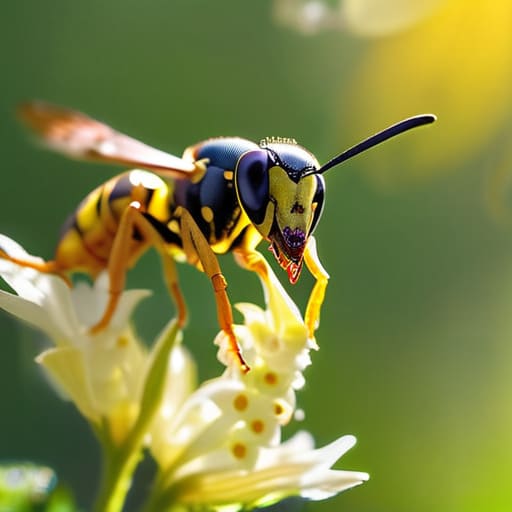
I was halfway through a transect survey in a damp hedgerow last July, soaked to the bone and trying to count Vespula vulgaris without getting swarmed, when I realized why we all collectively hate them. It’s not just the sting; it’s the way we’ve been conditioned to see them as tiny, flying villains. We treat every sudden buzz near a picnic like a personal vendetta, but the truth about how wasps are misunderstood is that we’ve let a few bad headlines and a bit of evolutionary fear do all the heavy lifting for us.
I’m not here to tell you that wasps are your new best friends or that you should welcome them into your kitchen, because that would be dishonest. What I am going to do is look at what the actual population data says about their role in your local ecosystem. I’ll explain why they are arguably the most efficient pest controllers in your garden and, more importantly, where the evidence ends and the sensationalism begins. No hype, just the biology.
Table of Contents
Wasp vs Bee Differences Moving Beyond the Stinger Narrative
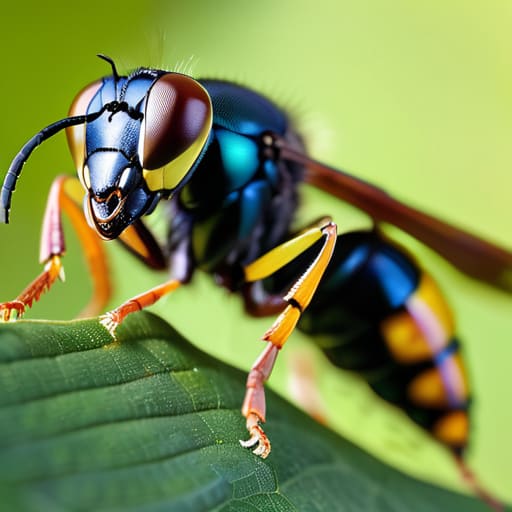
When people talk about the wasp vs bee differences, they almost always start with the sting. It’s the default setting: bees are the fuzzy, altruistic gardeners, and wasps are the aggressive trespassers. But if you look at the actual wasp life cycle and behavior, the distinction becomes a lot more nuanced. While bees are specialized pollen collectors, many wasp species are high-performance hunters. They aren’t interested in your lemonade; they are looking for protein.
In my surveys, I see this play out in real-time. A garden with a healthy population of predatory wasps often shows much lower rates of aphid or caterpillar damage. This is where the concept of natural pest control wasps provides comes in. They act as a biological check on the very insects that gardeners usually spend a fortune trying to manage with chemicals. It’s not about “good” or “bad” bugs; it’s about functional roles. If we only value the insects that look soft and produce honey, we miss the entire layer of beneficial insects in gardens that actually keep the ecosystem from tipping into a pest outbreak.
What the Data Actually Says About Wasp Life Cycle and Behavior
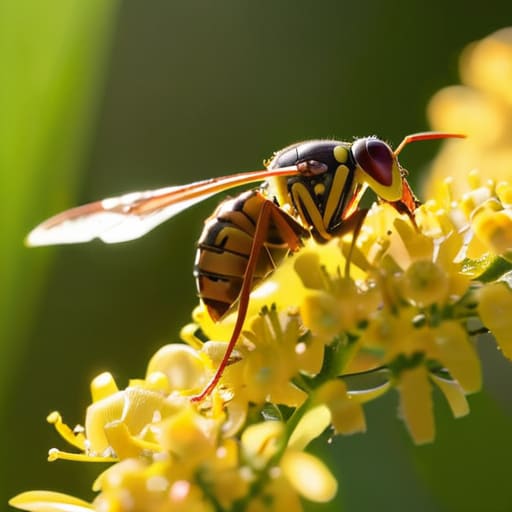
When we look at the actual wasp life cycle and behavior, the “villain” narrative starts to fall apart under even basic observation. Most people see a single aggressive adult and assume the entire species is out to get them, but the reality is much more nuanced. Most social wasps spend the vast majority of their lives focused on colony maintenance and, crucially, hunting. They aren’t patrolling your picnic for sport; they are looking for protein.
In my field surveys, I see this play out constantly. During the peak of summer, you aren’t just seeing “pests”—you are seeing highly efficient hunters. The importance of predatory wasps becomes incredibly obvious when you realize they are essentially the garden’s unpaid security detail. They target caterpillars, aphids, and even flies, providing a level of natural pest control that we often try to replicate with chemical sprays that end up doing far more harm than good. If you actually track their activity patterns, you’ll see they are much more interested in the lifecycle of a garden pest than they are in your ham sandwich.
How to actually coexist with them (without losing your cool)
- Stop treating every buzz like a targeted attack. Most wasps are just hyper-focused on finding sugar or protein; they aren’t scouting your patio for a fight, they’re just navigating a very busy sensory world.
- Look for the Vespula species in your garden and realize they are essentially free pest control. If you see them hovering around aphids or caterpillars, they aren’t being “aggressive”—they’re actively managing the insect population in your flowerbeds.
- Don’t panic if you see a nest in a hedge. Unless it’s right next to a high-traffic doorway, a nest is just a localized biological hotspot that’s doing its job. If you aren’t going to walk through it, you generally don’t need to intervene.
- Rethink the “wasp vs. bee” binary. While bees get the floral glory, wasps provide a different kind of ecological service through predation. A garden with both is a much more stable, functional ecosystem than one that only caters to pollinators.
- If you’re hosting a BBQ, skip the sugary sodas and keep the fruit covered. It’s not about “luring” them to your party; it’s just basic resource management. If the easy sugar isn’t there, they’ll go back to being the predators they’re meant to be.
The Real Takeaways
Stop conflating “dangerous” with “important.” We tend to treat every wasp sighting like a crisis because of a scary headline, but if you look at the actual survey data, their role as generalist predators is a massive, underrated service to garden biodiversity.
Understand that a wasp in your kitchen isn’t a targeted attack; it’s a biological drive for sugar. Once we move past the “stinger narrative,” we can see their behavior as predictable foraging rather than mindless aggression.
Focus on what actually moves the needle for them. If we want stable populations, we need to stop obsessing over “wasp control” and start looking at how our landscape management—like keeping nectar sources available in late summer—affects their entire lifecycle.
Shifting the Lens
When we strip away the panic, we’re left with a very different picture: a group of highly efficient, specialized predators that keep our local ecosystems from tipping into chaos. We’ve spent so much time focusing on the sting that we’ve completely ignored their role as essential pest controllers. From the way they regulate caterpillar populations to their often-overlooked contributions to pollination, the data shows they aren’t just uninvited guests at your summer picnic; they are functional components of a healthy landscape. If we keep categorizing them solely by their potential to cause discomfort, we miss the nuance of how they actually function within the food web.
My hope is that we can move toward a kind of informed coexistence. It isn’t about loving every insect that flies near your face—I’m a scientist, not a romantic—but it is about respecting the niche they fill. Instead of reaching for the spray when you see a Vespula species near the garden edge, try to see the work they are doing. If we want to protect biodiversity, we have to start by protecting the things we find inconvenient. Conservation isn’t just for the “pretty” species; it’s for the ones that keep the whole system running, even the ones that sting.
